Developer: Red Sea Global
Architectural design: Oppenheim Architecture
Interior design: Studio Paolo Ferrari
Furnishings and lighting: custom made
Travel designer: Exclusive ACIblueteam, tailor made travels to luxury destinations
Photos: courtesy of Red Sea Global and Oppenheim Architecture
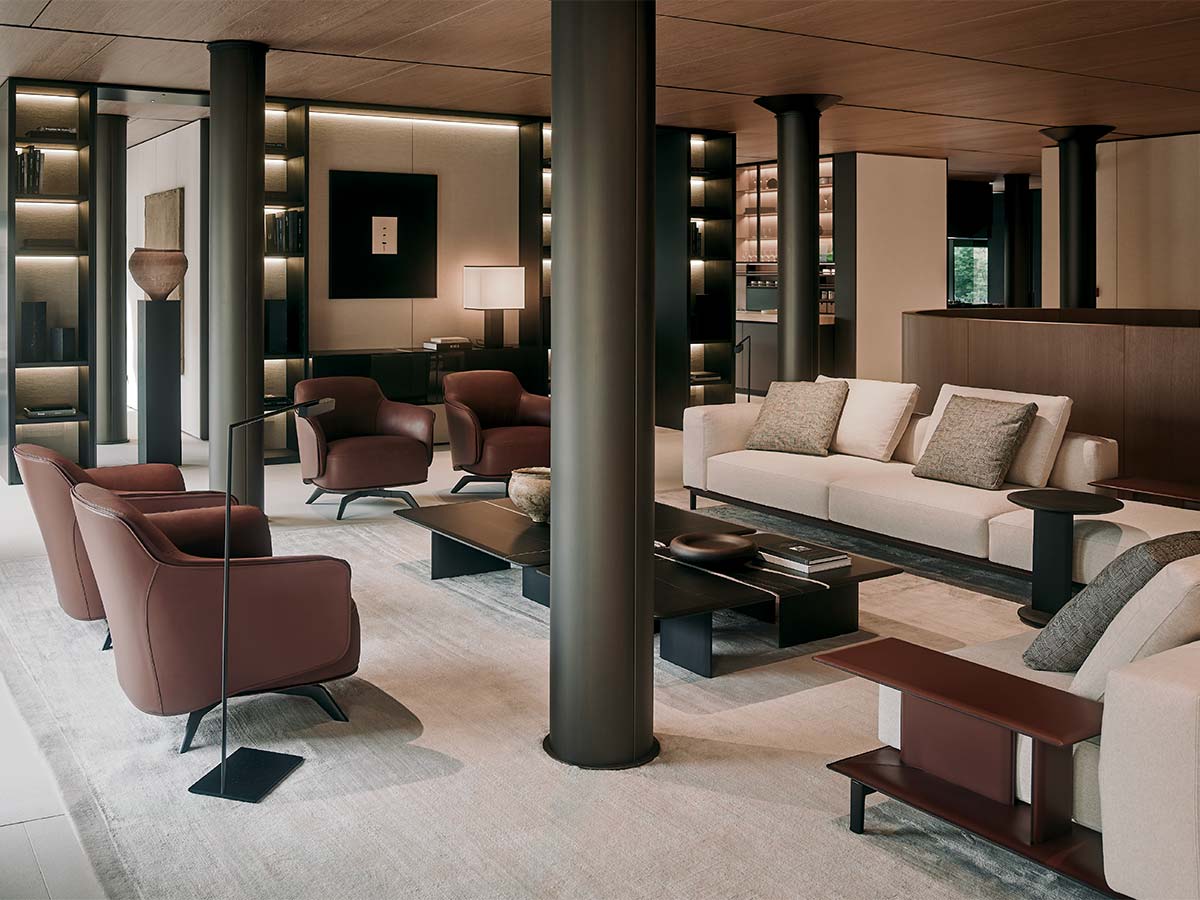
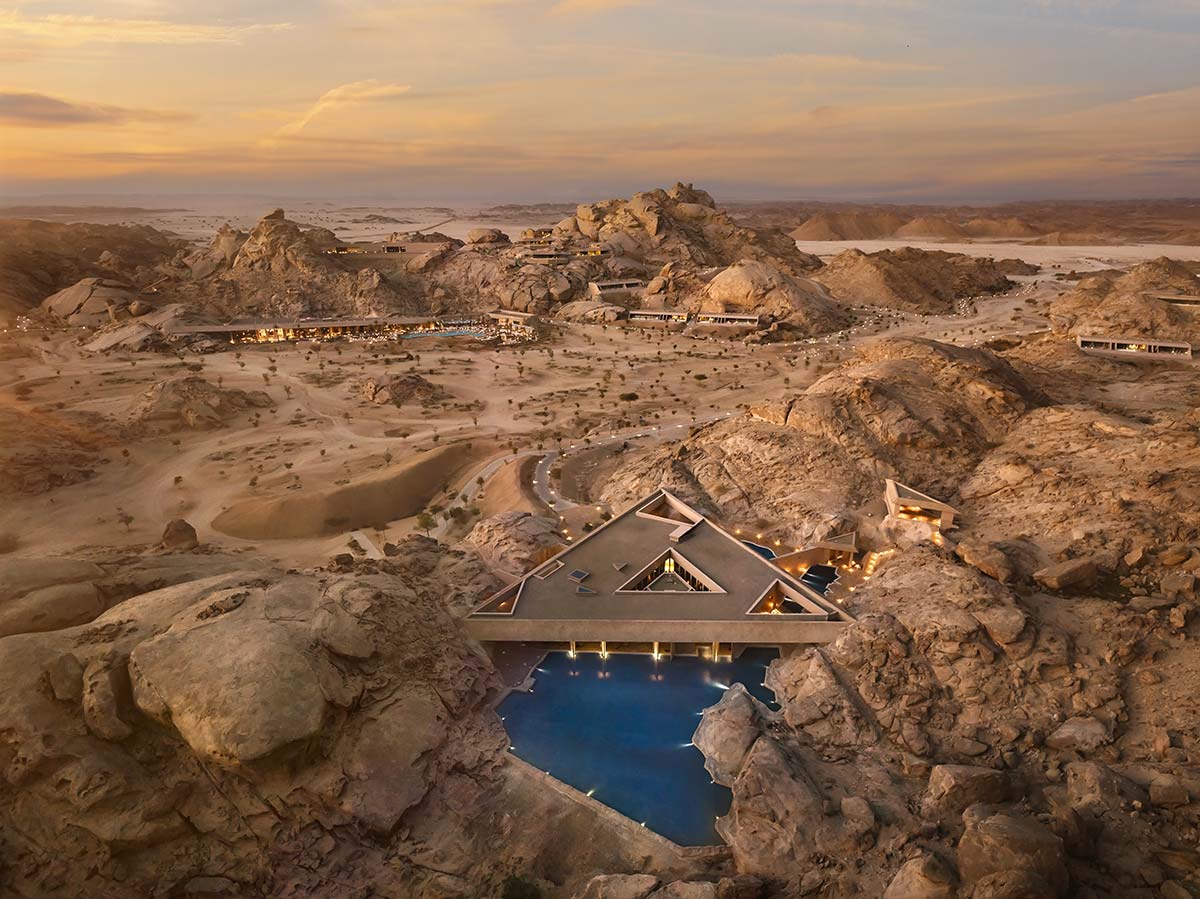
They couldn’t have chosen a more fitting name – Desert Rock – because this resort, designed by Oppenheim Architecture with interior contributions from Studio Paolo Ferrari, truly seems to blend seamlessly with the rock and sand of the Hejaz mountains in the Saudi Red Sea. The sea isn’t visible from here; it’s a good half-hour drive away. And in fact, initially, you won’t even see the resort, as the vehicle transporting you from Red Sea International Airport stops at the entrance of a small, ochre-colored canyon, illuminated by candles in the evening. Pure enchantment, perfectly setting the stage for the 64 villas built amphitheatrically around the valley that unfolds before you at the canyon’s end. At its heart lies the foyer, featuring a lit fireplace in winter and sofas facing glass walls, six restaurants (including the prestigious Nyra, by Michelin-starred Turkish chef Osman Sezener), swimming pools, and a ‘cocoon room’ dedicated to vinyl records, available for purchase or on-site listening.
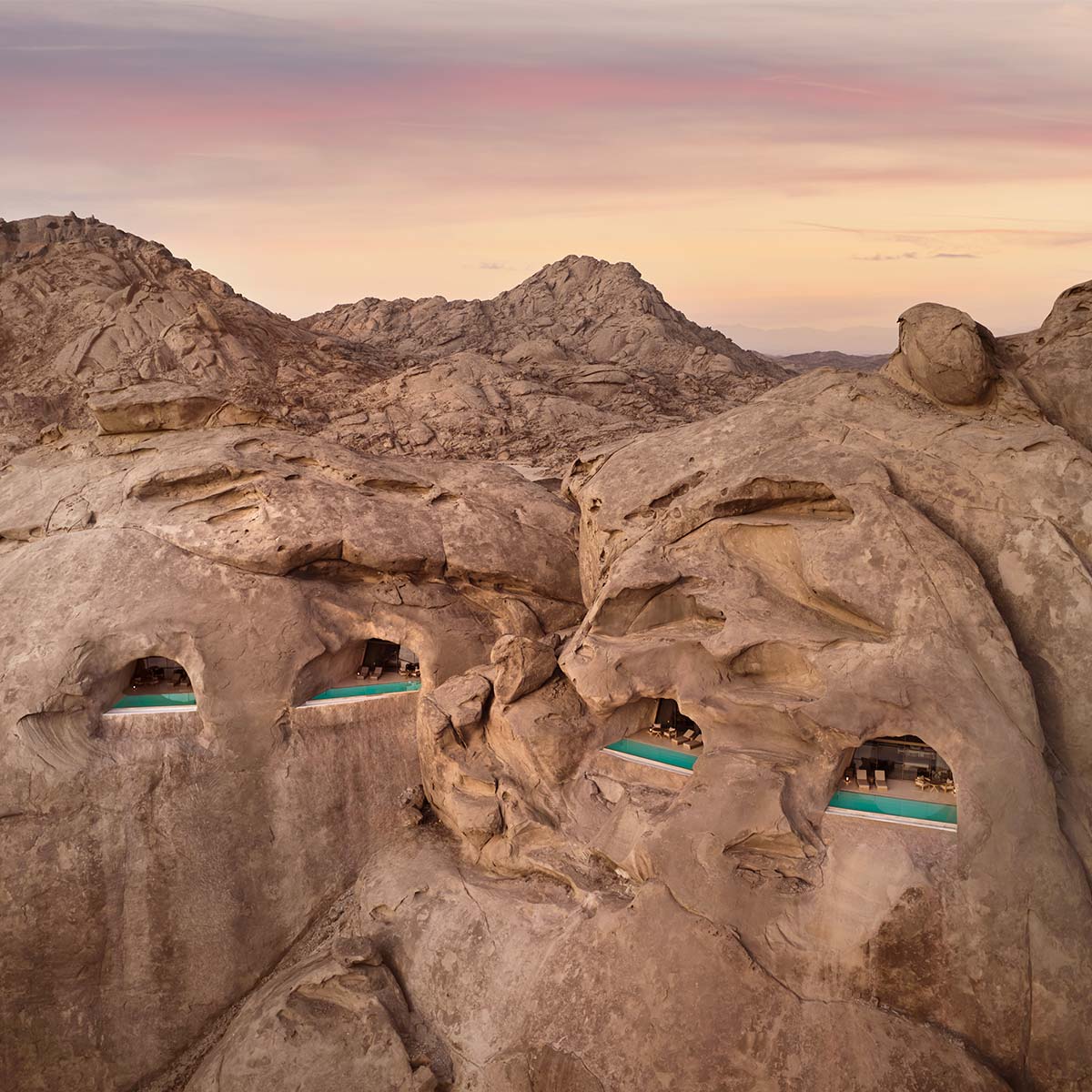
“It was my idea, and guests absolutely love it,” reveals General Manager Thomas Combescot-Lepere, the meticulous orchestrator of this soulful retreat. With the exception of the common areas and the Royal Villa, the entire resort is built into, and seamlessly camouflaged within, the rock. Spanning 30,000 square meters, Desert Rock offers various types of suites and villas: those carved into the mountain, dramatically overhanging the valley, such as the Mountain Cave and Mountain Crevice villas; those with private pools along ancient riverbeds (Wadi Villas); and the Cliff Hanging Villas, suspended atop rocky outcrops.
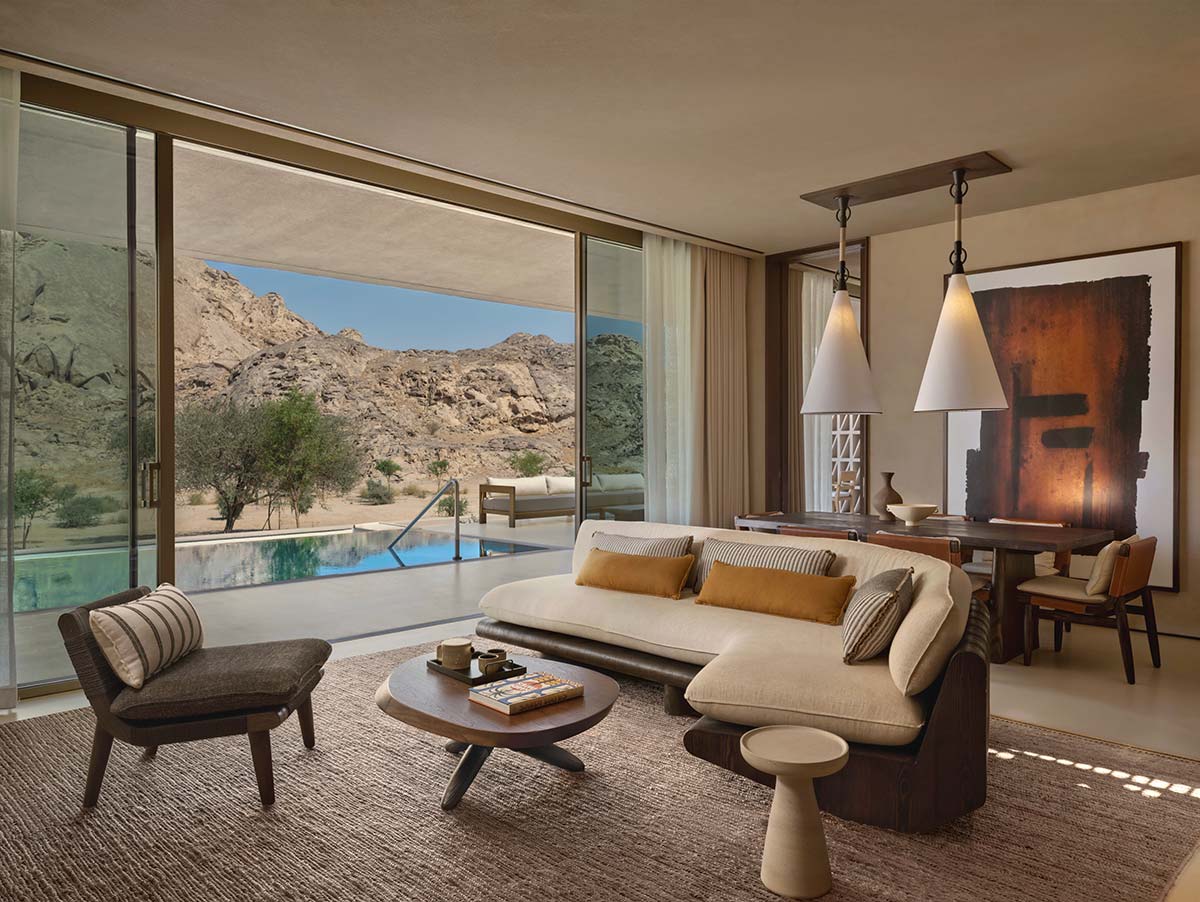
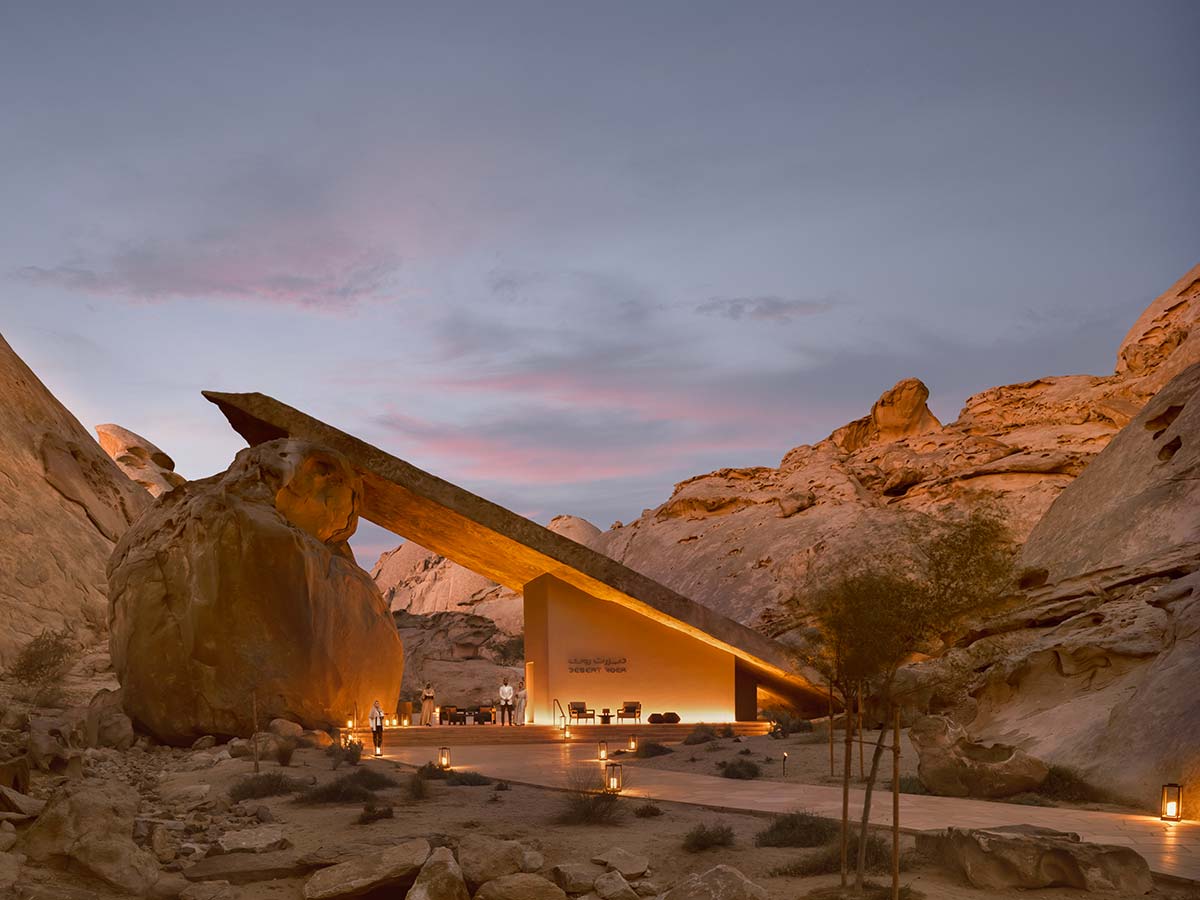
“In each, the décor draws inspiration from the Nabataean civilization that historically inhabited the Arabian Peninsula,” Lepere continues. Deeply connected to the *genius loci*, the interiors feature earthy-toned surfaces and bronze and wood details, echoed in the recessed sofas and custom-made lamps. While the layout bears the signature of two prestigious international studios, details such as textiles and carpets are the work of local creatives: from Saad Al Howede, a Saudi artist who interprets cultural heritage with a conceptual spirit, to Abeer Al-Khalifa, whose works draw inspiration from nature.
Significant attention has been paid to sustainability, aligning with the vision of Red Sea Global, the ambitious regenerative tourism project taking shape in the region, of which Desert Rock is a part. “Most construction materials are recycled on-site, minimizing environmental impact and ensuring that the new forms embody the same colors and minerals as the surrounding environment,” revealed Oppenheim’s architects.
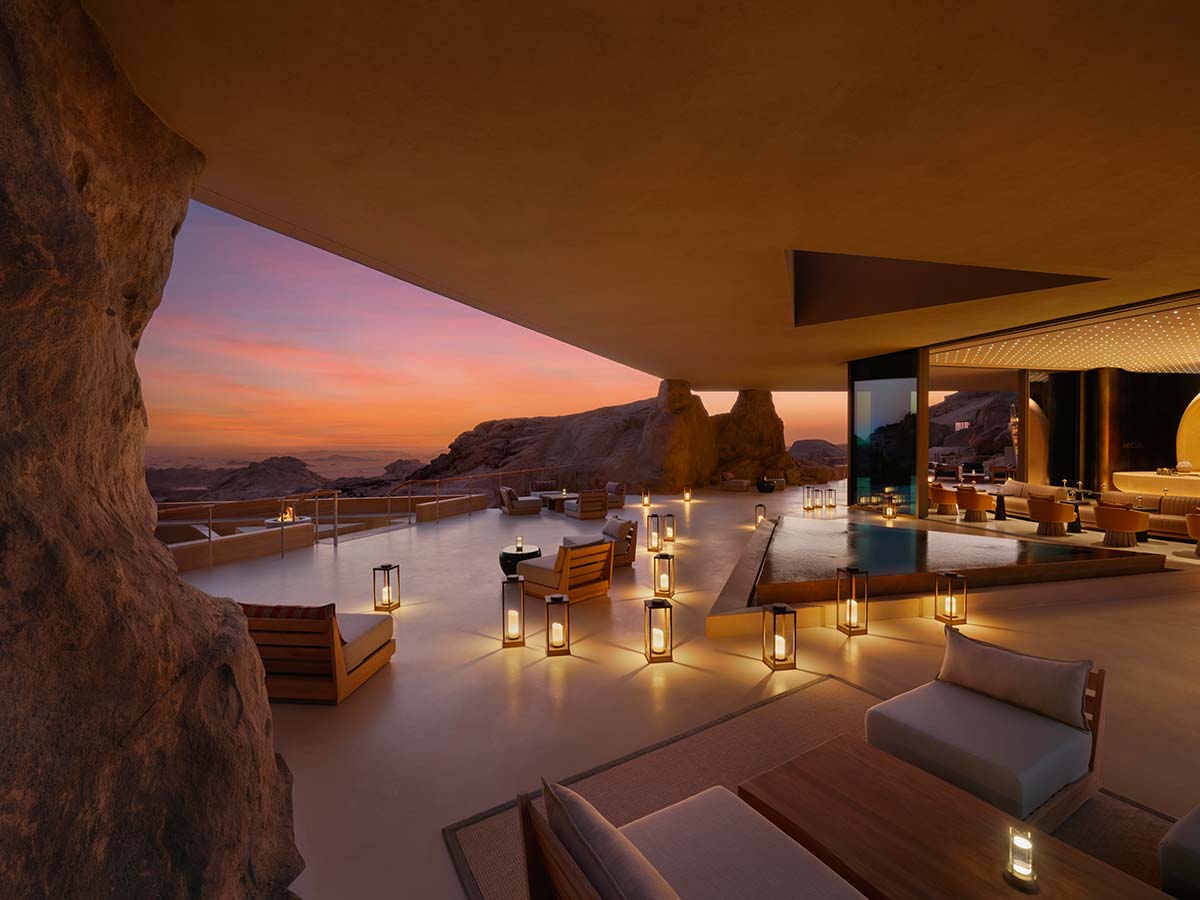
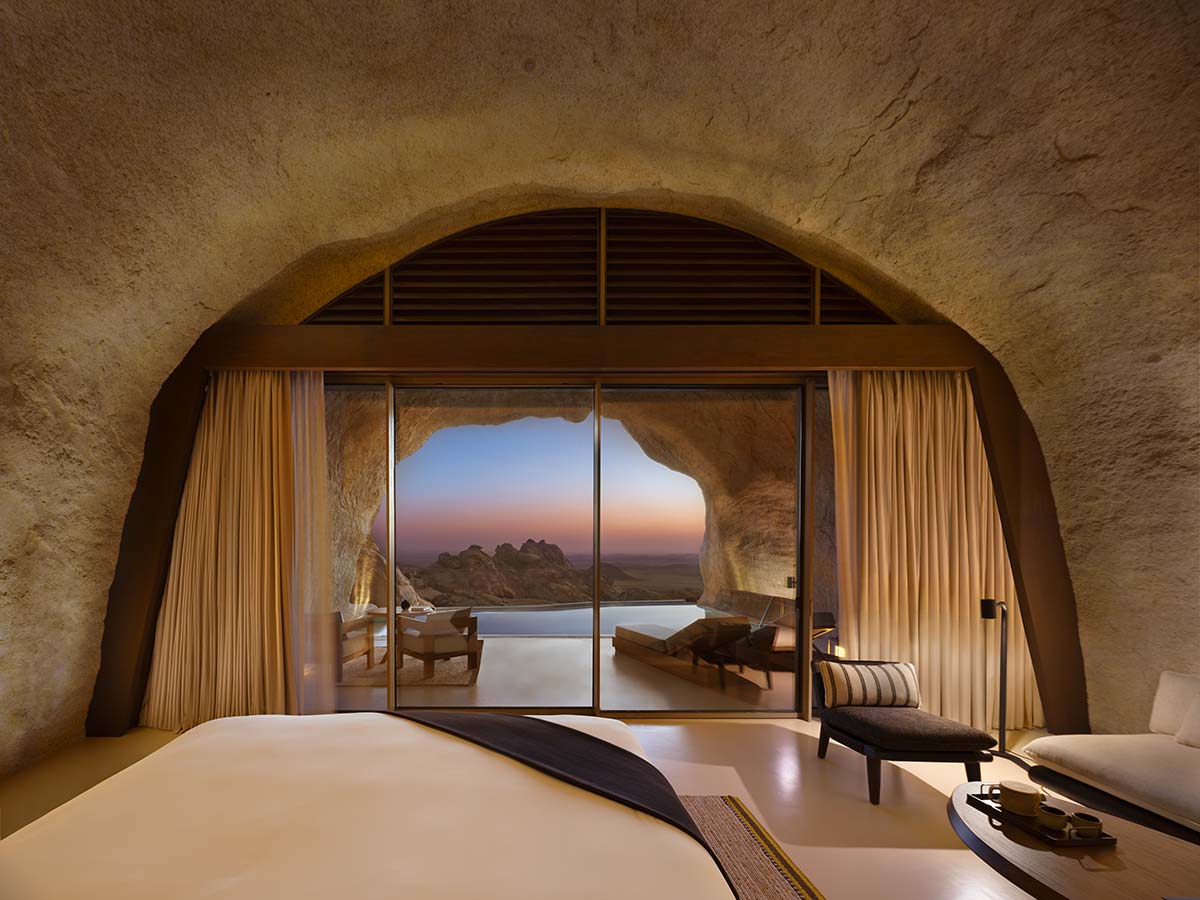
Beyond excavated materials, there are passive cooling systems that reduce energy consumption, solar panels, and water management for plant irrigation. “We prioritized indigenous species like acacias and palm trees, which have brought life back to the valley: birds especially, but also reptiles and mammals such as desert foxes,” concludes the director. Architecture in service of the environment, nestled among the remote mountains of the Saudi Red Sea.