Like many parts of Sicily – and all of Italy – Palermo has built its creative identity through workshops, laboratories, and material knowledge passed down for generations. From this blend of craftsmanship, technique, and a culture of making, a creative landscape emerges today that unites traditional skills with design culture, where design is defined through its close relationship with the territory.
Ceramics and imagination
Rooted in Palermo, in the atmosphere of its markets, its colors, and the historical omnipresence of its palaces, Patrizia Italiano creates heads, vases, and anthropomorphic figures in ceramic. Her reinterpretations of Moorish heads, witty and cultured, surprise with unexpected details. A touch that is anything but banal, which speaks volumes about handmade craftsmanship, social engagement (her atelier has trained unemployed women and includes spaces for artists in residence), and the relationship with memory.
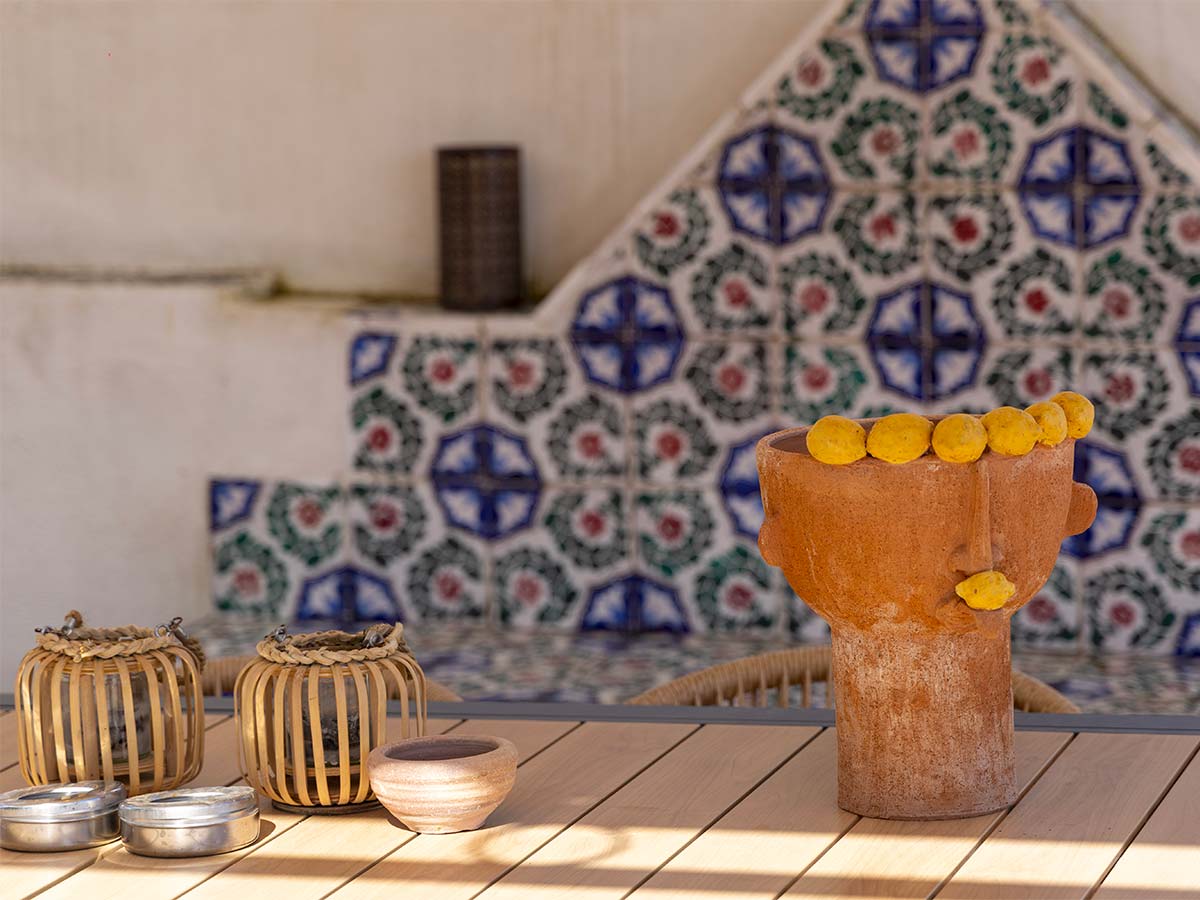
Patrizia Italiano a Casena del Principe
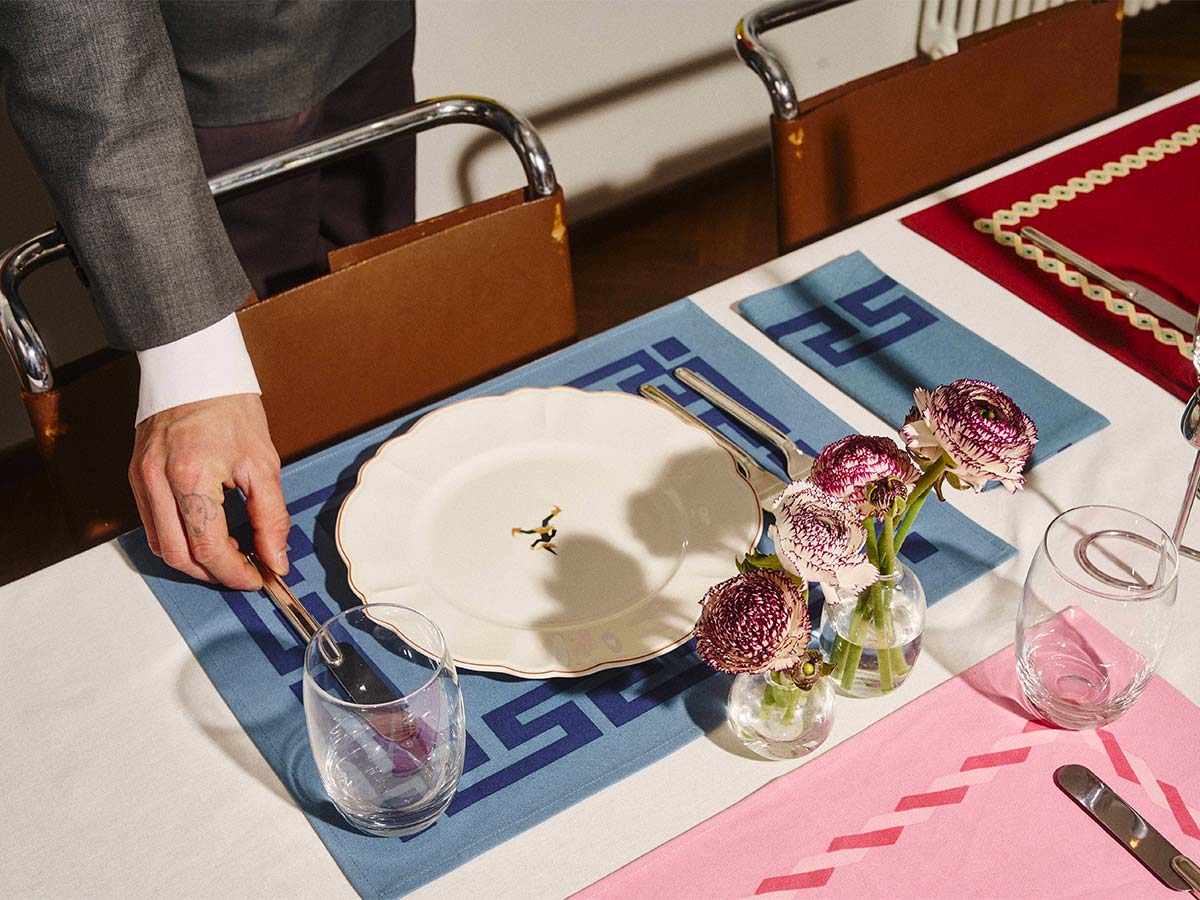
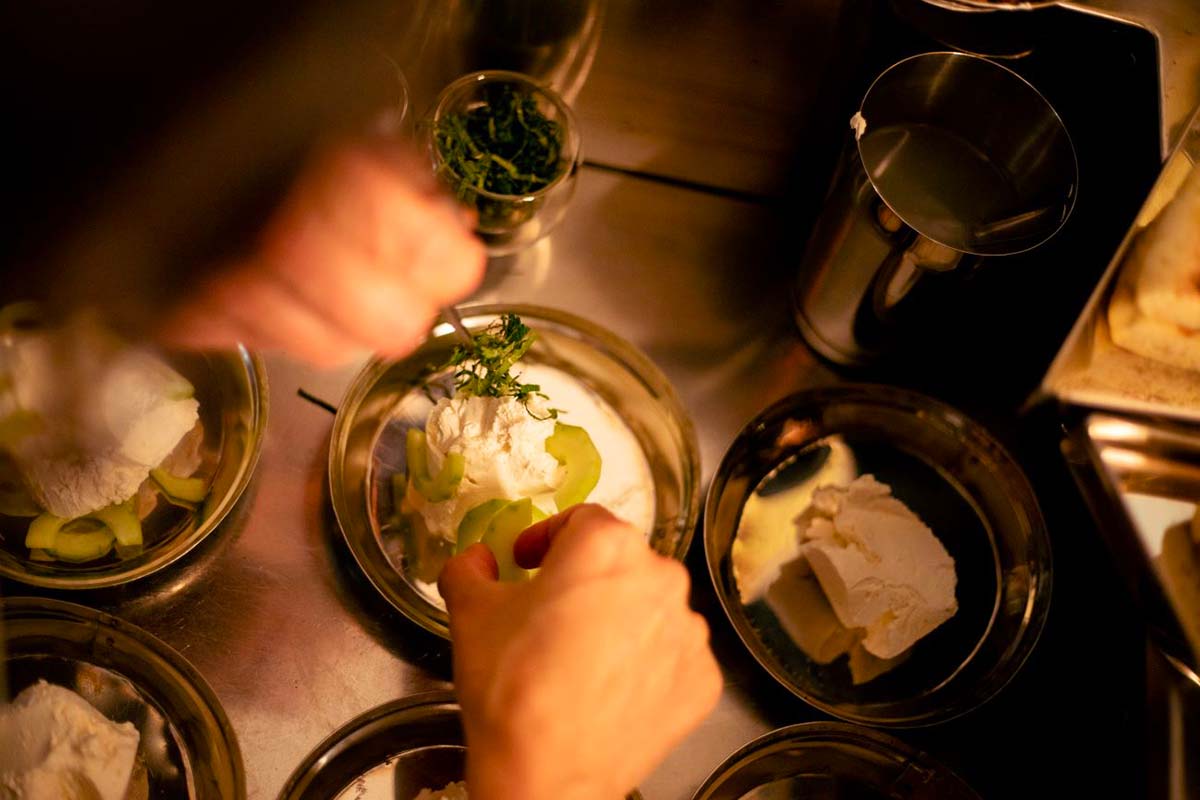
While her works populate galleries and concept stores across the globe – from Australia to the United Arab Emirates, by way of Tokyo, New York, and Milan – in Palermo, they can be found, for example, on the tables of the Michelin-starred restaurant Charleston. Here, a collaboration between Patrizia Italiano, chef Giovanni Solofra, and pastry chef Roberta Merolli has given rise to a collection of ceramics that becomes part of the tasting experience. Or again, in the rooms of the Casena del Principe, an 18th-century residence on the Walls of the Foro Italico, in the heart of the Kalsa district. In these spaces, now dedicated to hospitality, her ceramics dialogue with history, as if to remind us that Palermo is a City of Established Ceramic Tradition, heir to a culture of workshops active since the 1500s.
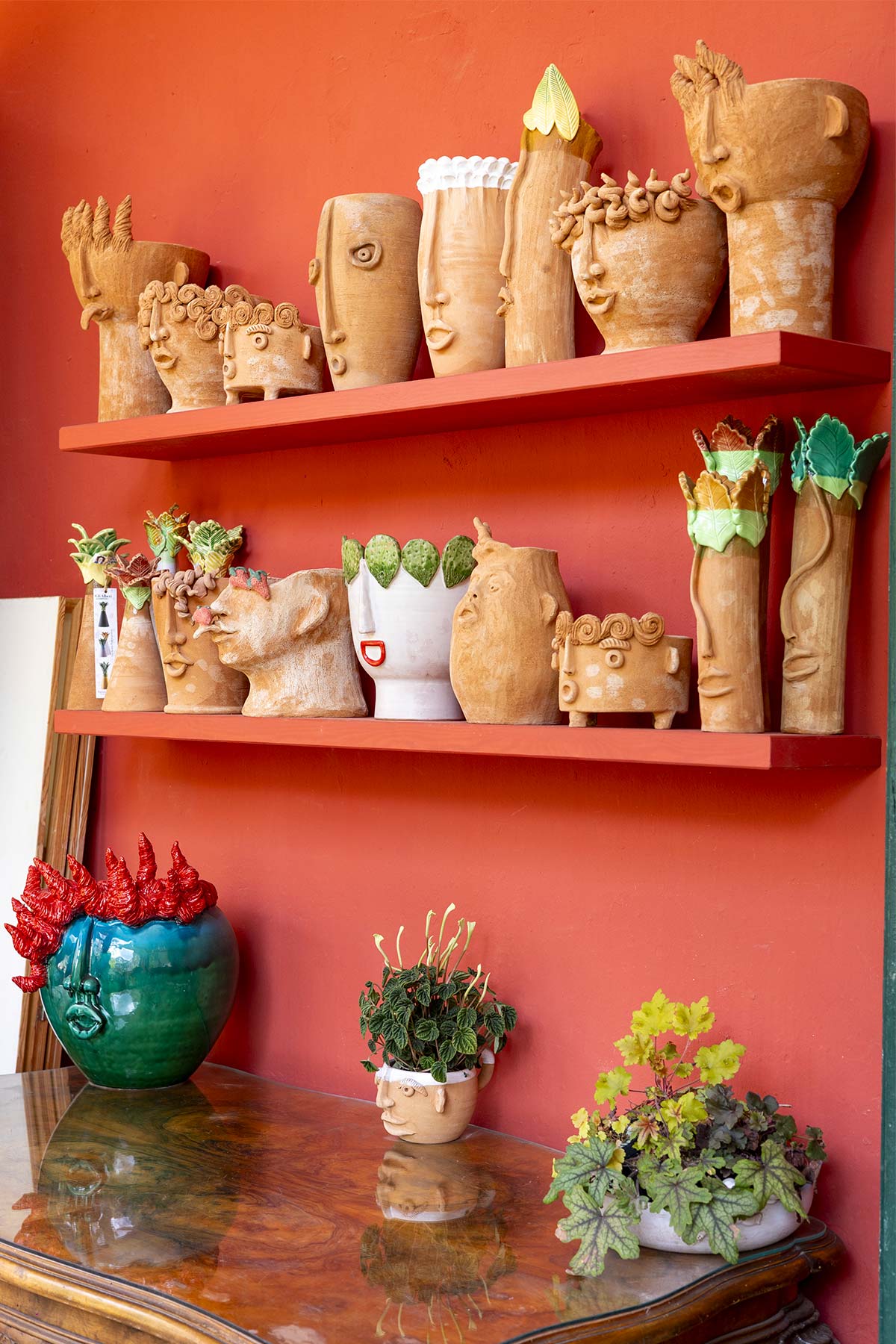
Atelier di Patrizia Italiano
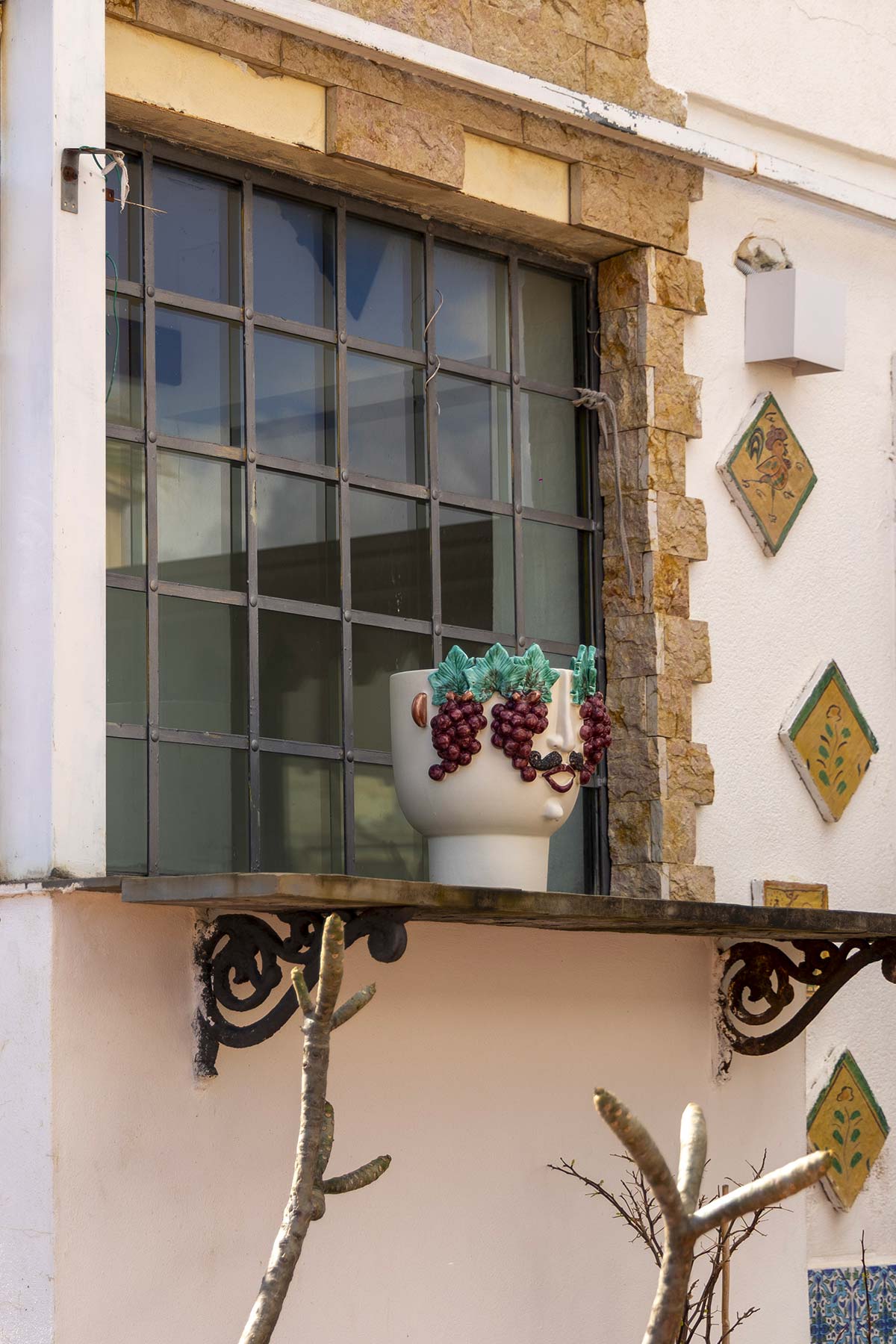
Patrizia Italiano a Casena del Principe
Palazzo Butera
Right in the Kalsa district stands the 18th-century Palazzo Butera, acquired by Massimo and Francesca Valsecchi in 2016 and transformed into a house-museum based on a project by architect Giovanni Cappelletti, who also curated the exhibition design for the collections. The Butera Foundation operates within its spaces with the “purpose of inviting future generations to understand that art, history, and culture have generated, and always will generate, a broad spectrum of social, economic, and educational benefits.” The restored halls, the installations, and the dialogue between artworks and architecture convey an idea of design built on the relationship between past and present, and between the city and those who pass through it, contributing to the cultural rebirth of Kalsa and Palermo.
Officine Calderai
The coppersmiths
From ceramics to tinsmiths: on the central Via dei Calderai, where pots, braziers, and domestic utensils were forged for centuries, studio Martinelli Venezia has taken over the workshop of Nino Ciminna, the oldest tinsmith on the street. Closed and abandoned after his passing in 2015, the workshop is now a micro-museum – the space covers 30 square meters – safeguarding an essential component of Palermo’s material culture.
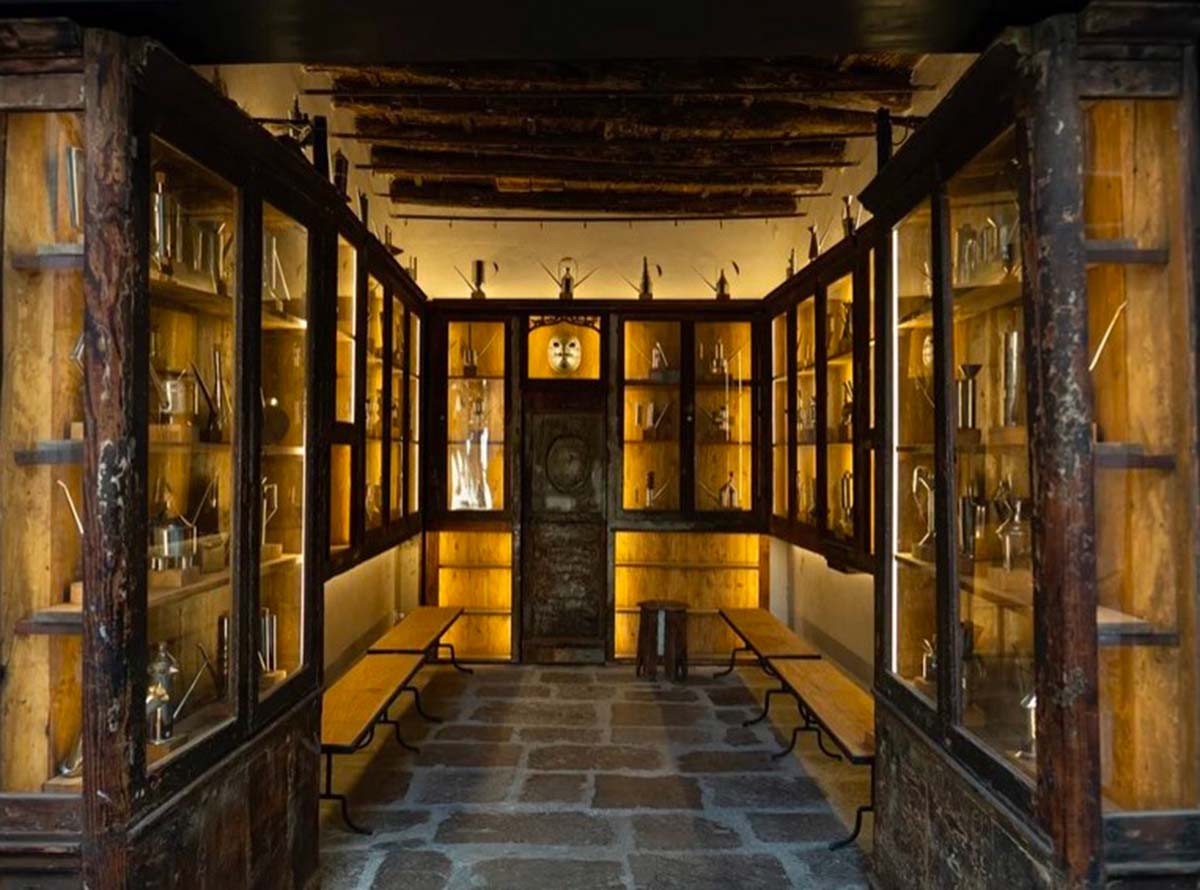
Cento Oliere, Officine Calderai
The exhibition Cento Oliere (One Hundred Oil Cruets), designed by Martinelli Venezia and handmade by Paolo Tabbone in his workshop at number 35, is a playful exploration of variations in form and function applied to a humble object, historically produced on this very street and a symbol of Italian identity. The exhibition is part of an evolving visual catalog dedicated to the workshops of Via Calderai. The micro-museum is also a café-bistrot for pop-up dinners.
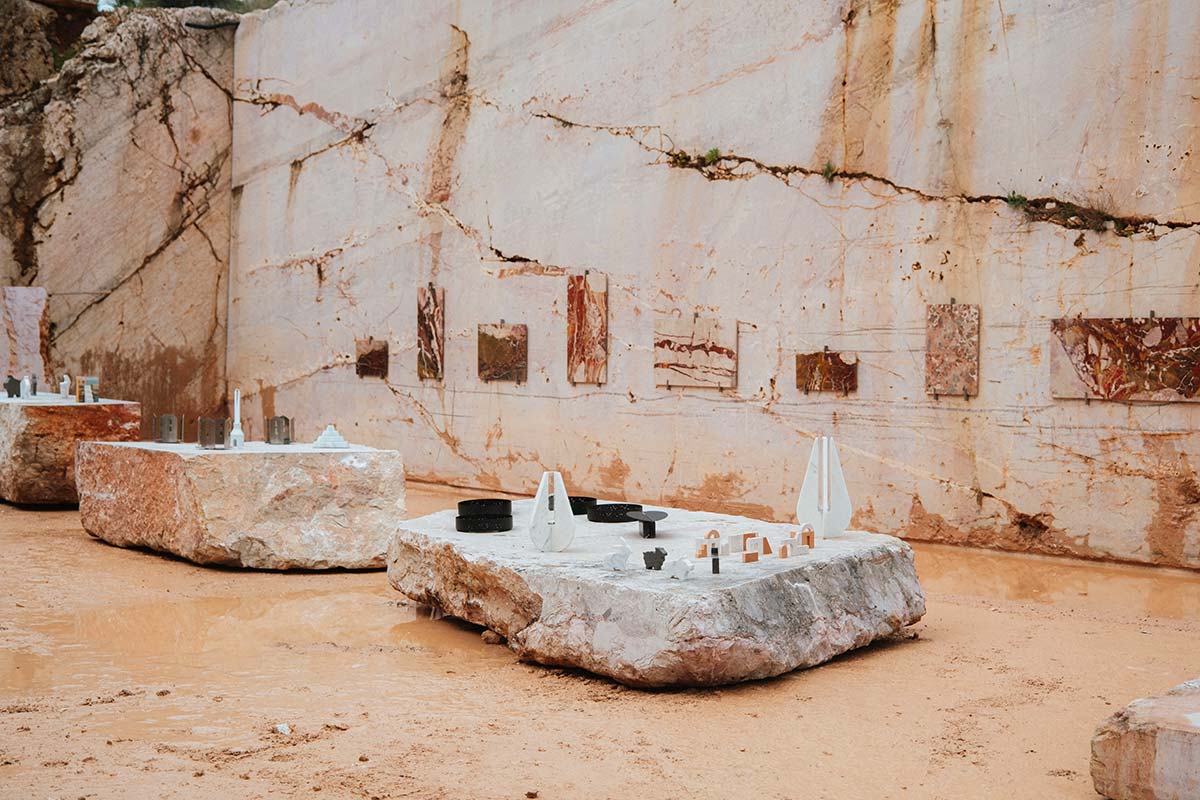
Nelle immagini, la collezione Kimano Design inserita nello scenario della cava di diaspro di Custonaci: “un dialogo silenzioso tra l’energia primitiva della terra e le linee raffinate di Kimano” la definisce l’art director Gabriele D’Angelo – Photo © Chiara Pugliesi
The jasper quarries of Custonaci
From Palermo, the visit continues westward, into the Trapani area, to discover jasper, a rare stone typical of Custonaci. This red-veined stone stands out against the landscape of white mountains in the area, which was once Europe’s second-largest marble basin. After the 1960s, many quarries were abandoned, and today the material finds more artistic uses, especially in vertical walls where the veining reveals its slow formation process. The irregular concentration of jasper and its gradual growth determine its quality and uniqueness.
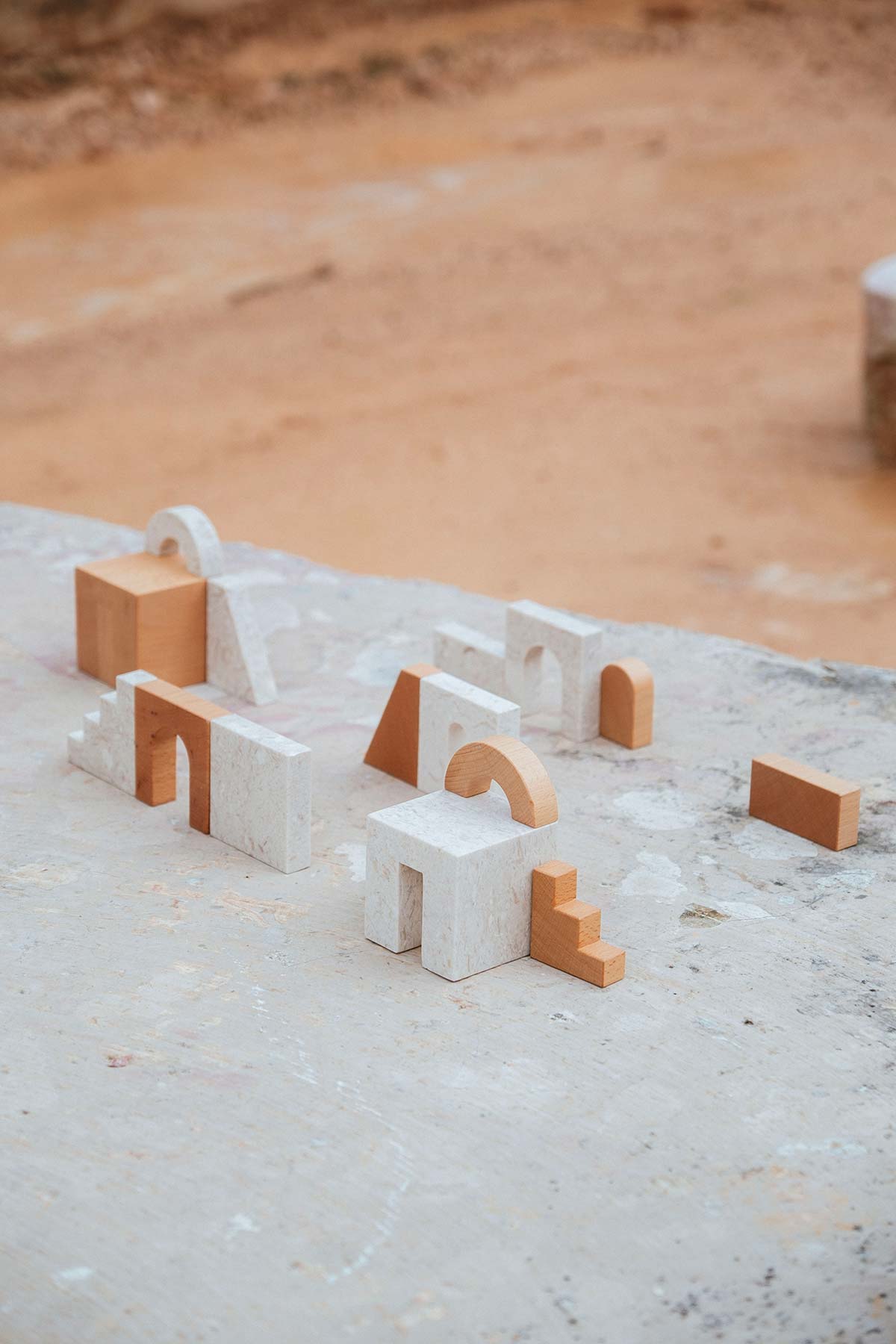
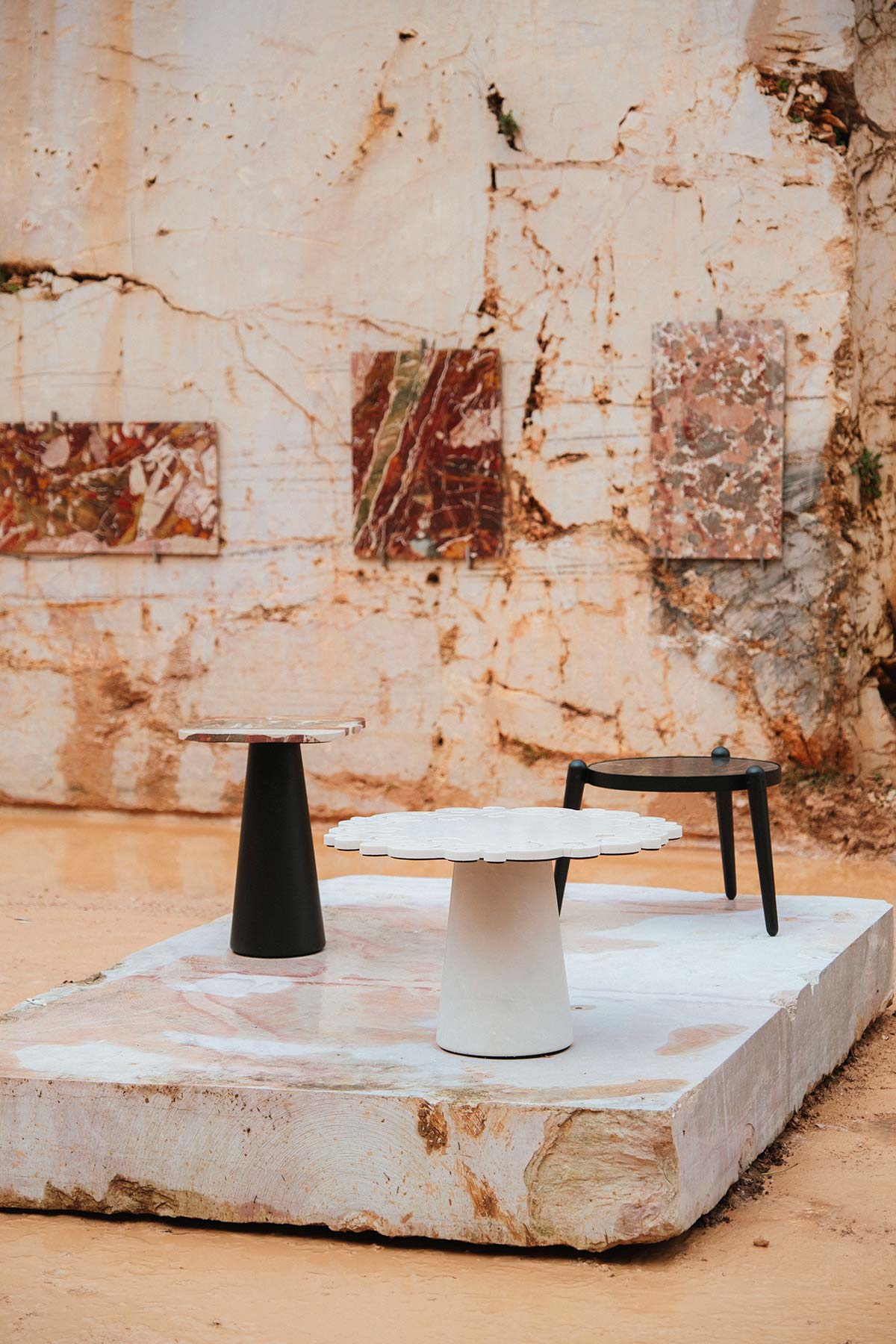
Custonaci is home to Kimano Design, a brand born from the experience of Ducale Marmi, a partner company of the Margraf group involved in marble processing in Sicily. Under the artistic direction of Gabriele D’Angelo, Kimano Design develops objects that explore the expressive potential of stone, transforming a material historically linked to architecture (jasper is also known as “Pontifical breccia,” used particularly in Roman Baroque) into an element for contemporary furnishings. The stone-working tradition is thus translated into forms, giving life today to a collection of objects that unites the preciousness of the stone with a sense of lightness and irony. By creating a dialogue between the materials industry and design culture, technical skills and formal research, the Kimano Design project fits squarely within the tradition of Italian design.
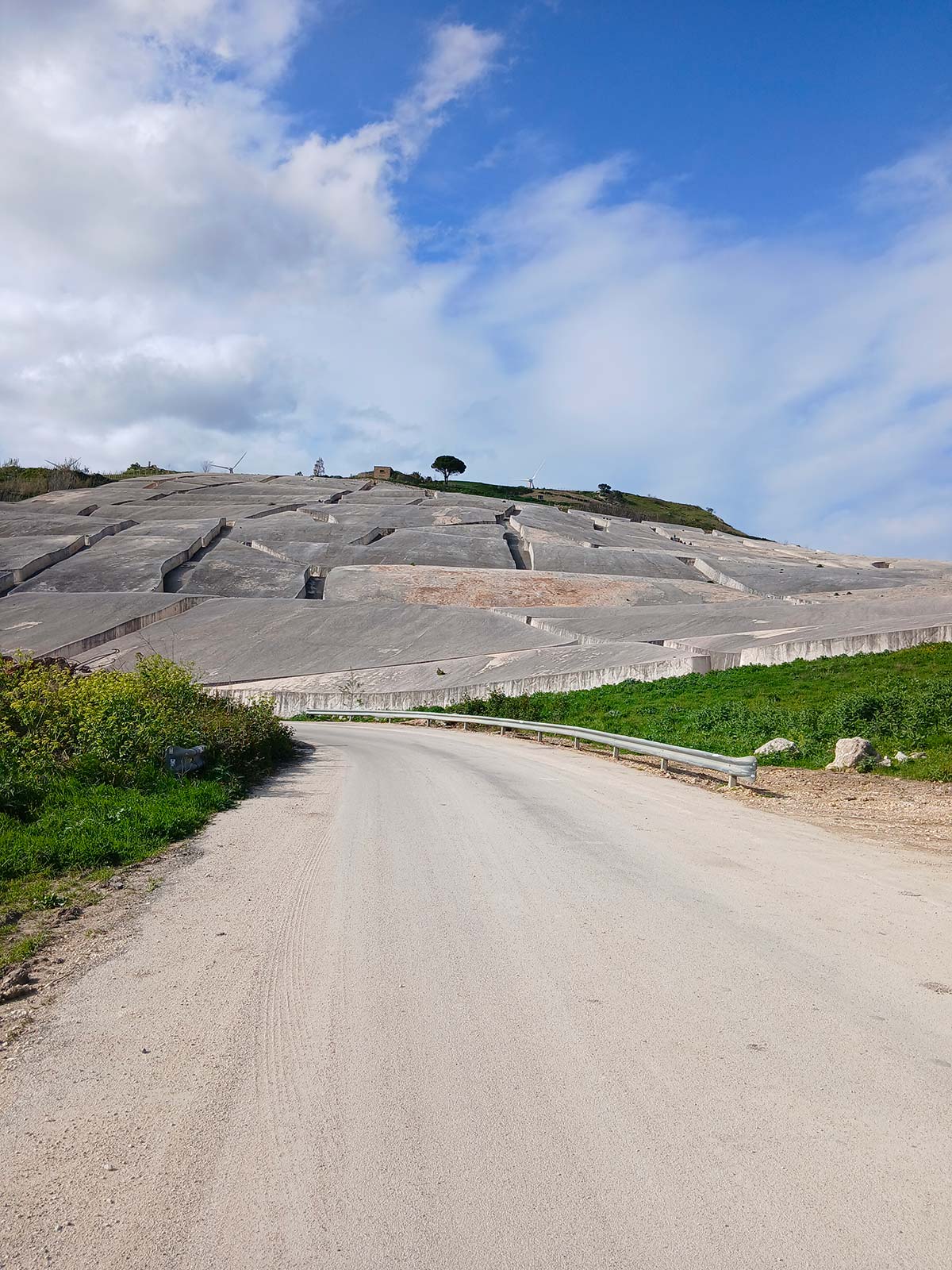
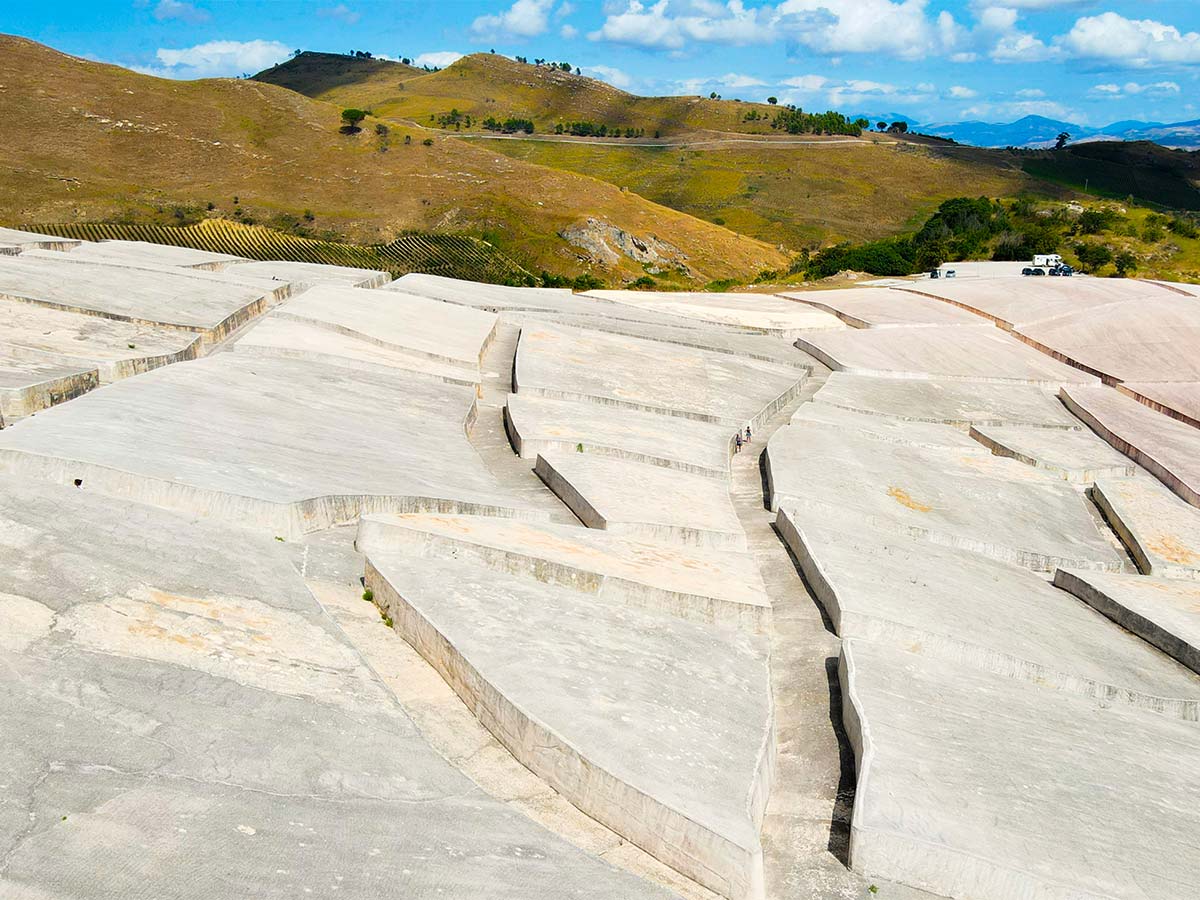
Cretto di Burri, Gibellina
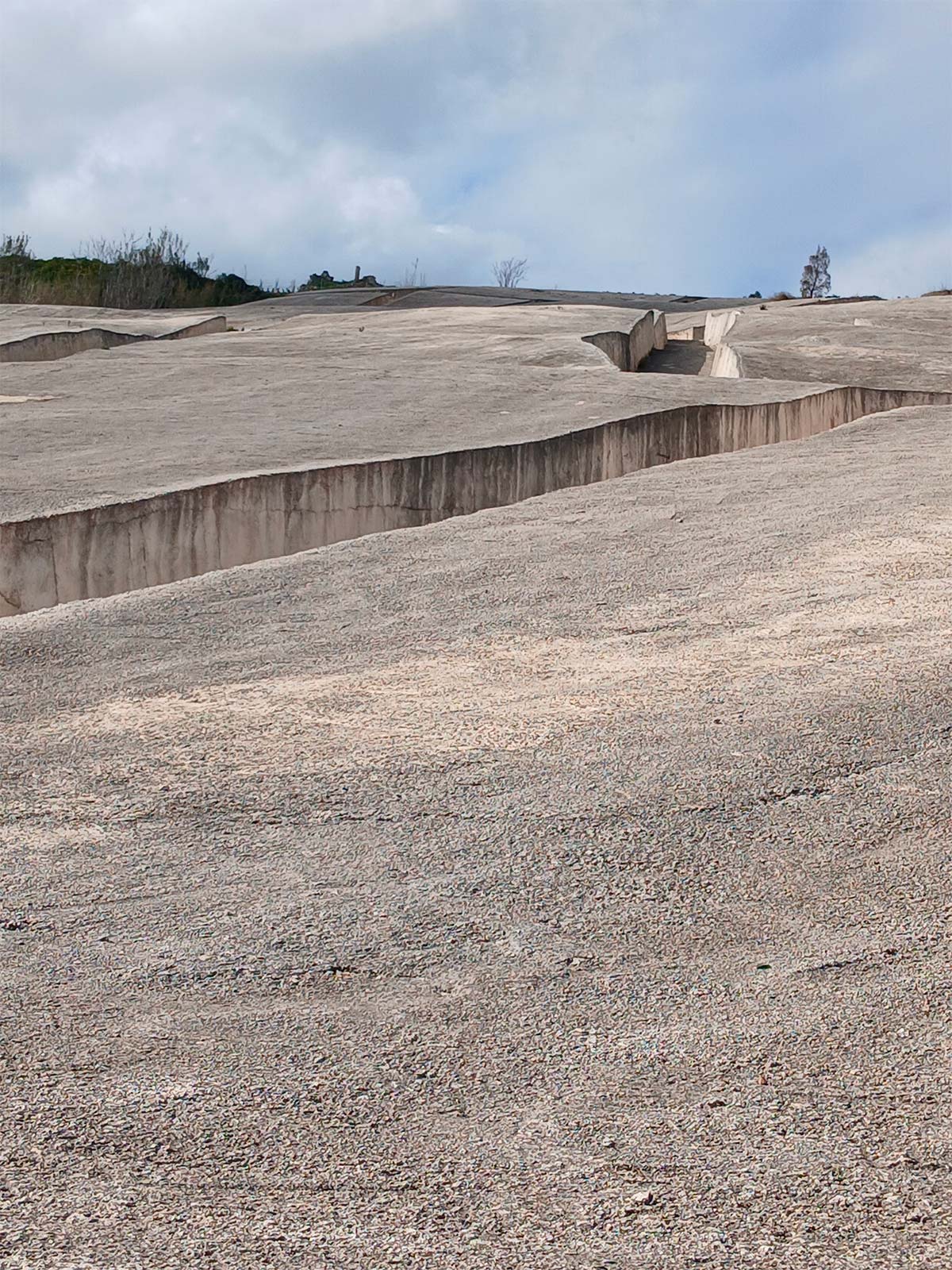
Cretto di Burri, Gibellina
Gibellina, memory becomes landscape
The return journey from Custonaci to Palermo is well worth a detour to Gibellina, where, amidst the ruins left by the 1968 Belice earthquake, Alberto Burri envisaged a work that would not rebuild, but preserve. Between 1985 and 1989, Burri transformed that void into a white expanse of concrete that retraces the layout of the vanished village: large blocks separated by fissures define the memory of the streets that once were. Gibellina is set to be Italy’s first Capital of Contemporary Art in 2026: under the evocative title ‘Portami il Futuro’ (‘Bring Me the Future’), ‘throughout 2026 it will demonstrate how art can become an instrument of cultural, social and community regeneration’. Burri’s Cretto symbolises Sicily’s ability to transform history into space, and loss into an artistic gesture.