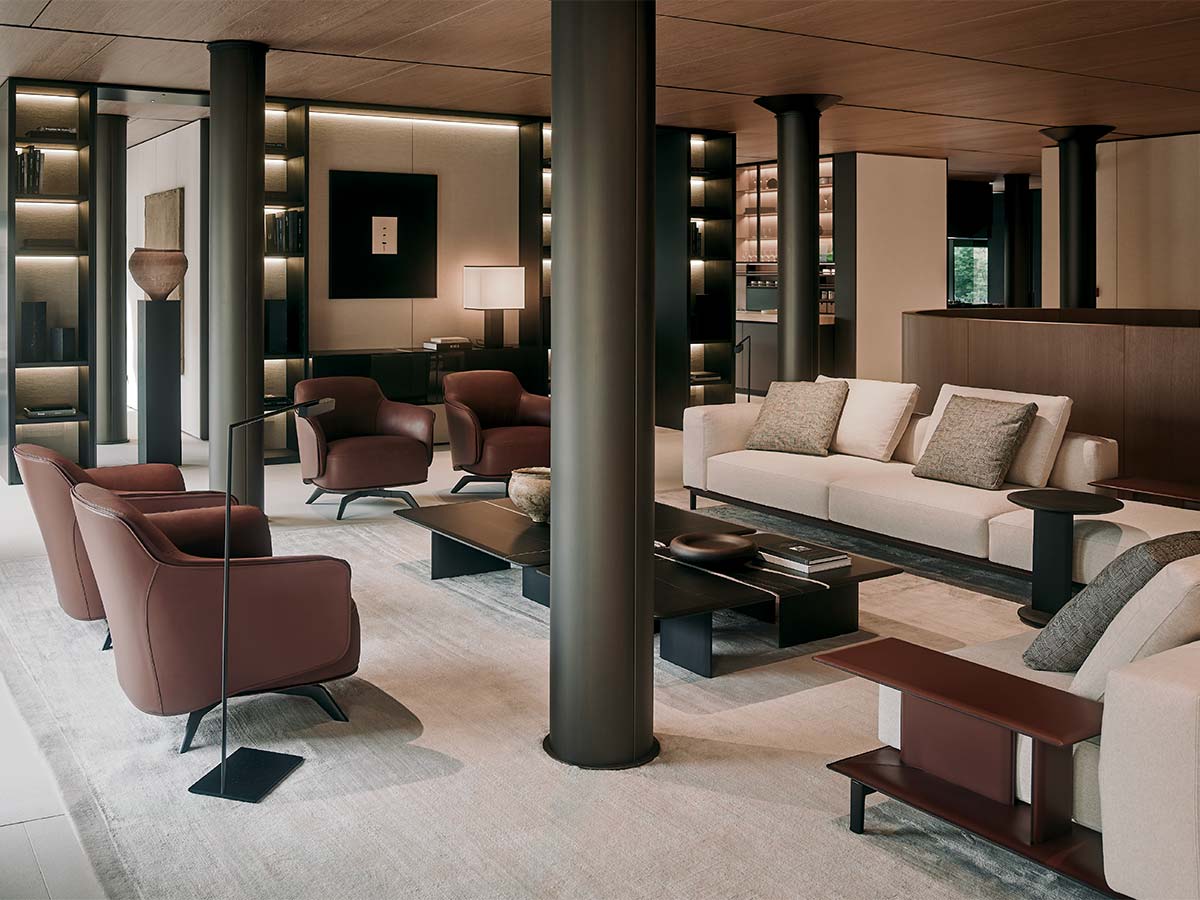
From the 19th-century industrial chair to the experiments of the new millennium, these ten icons chart over a century and a half of design evolution. Through structural experimentation, new materials, and formal insights, these designs have redefined how we sit and inhabit our spaces. These are seats that not only interpreted their time but, in many cases, anticipated it.
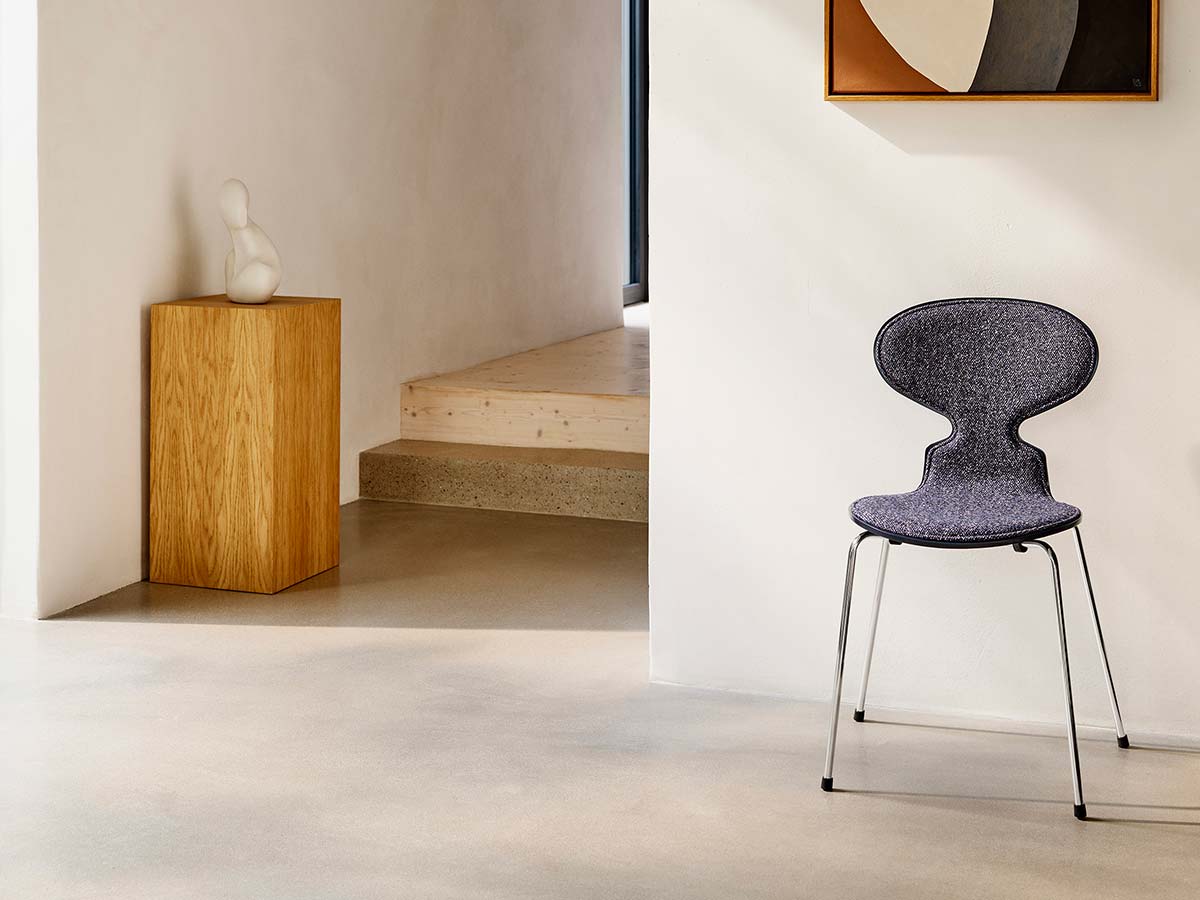
Designed by Arne Jacobsen for Fritz Hansen in 1952, the Ant™ chair (on cover) is made from nine layers of pressure-molded veneer mounted on a structure of slender steel legs. Its essential and graceful silhouette belies a remarkable sturdiness, combined with a comfort that sealed its international success.
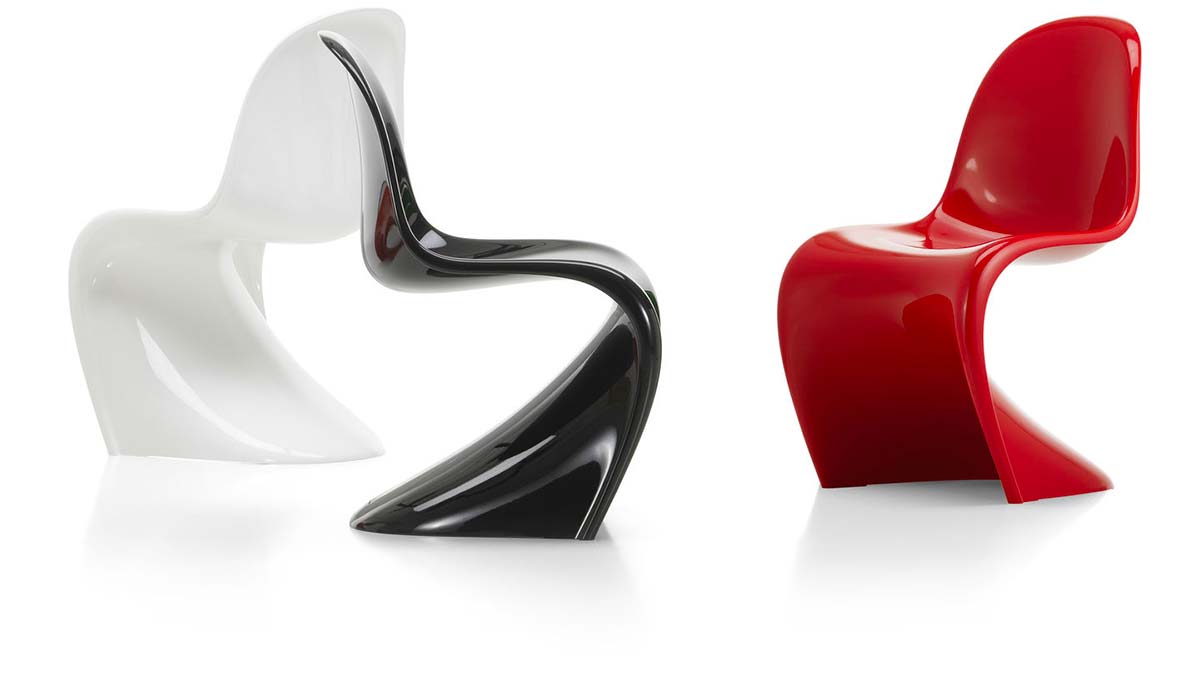
Panton Chair by Vitra, design Verner Panton
Conceived by Verner Panton in 1959 and developed for mass production with Vitra in 1967, the Panton Chair is now considered one of the absolute icons of 20th-century design. Crafted entirely from plastic, it has received numerous international awards and is featured in the permanent collections of major museums worldwide.
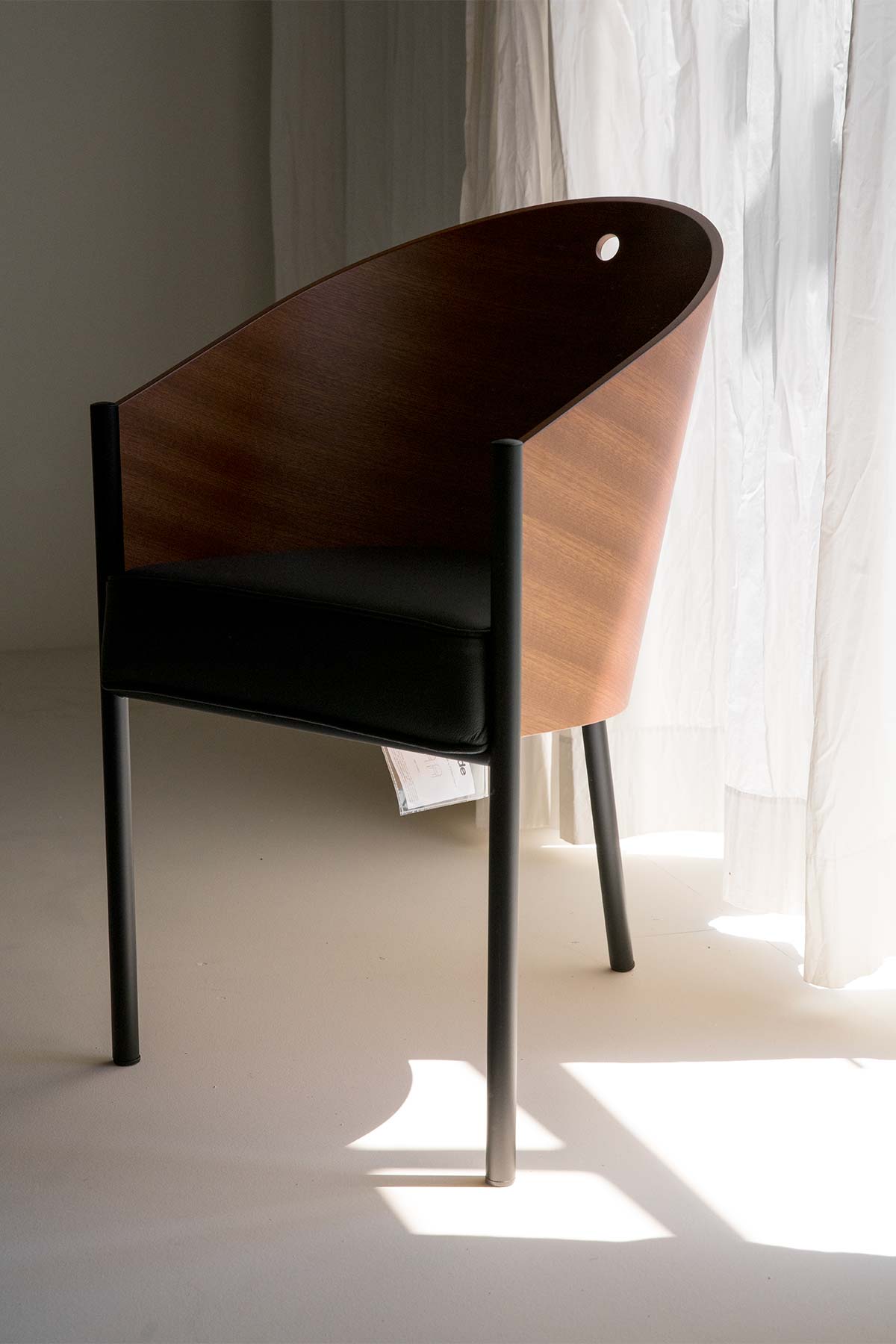
Costes by Driade, design Philippe Starck
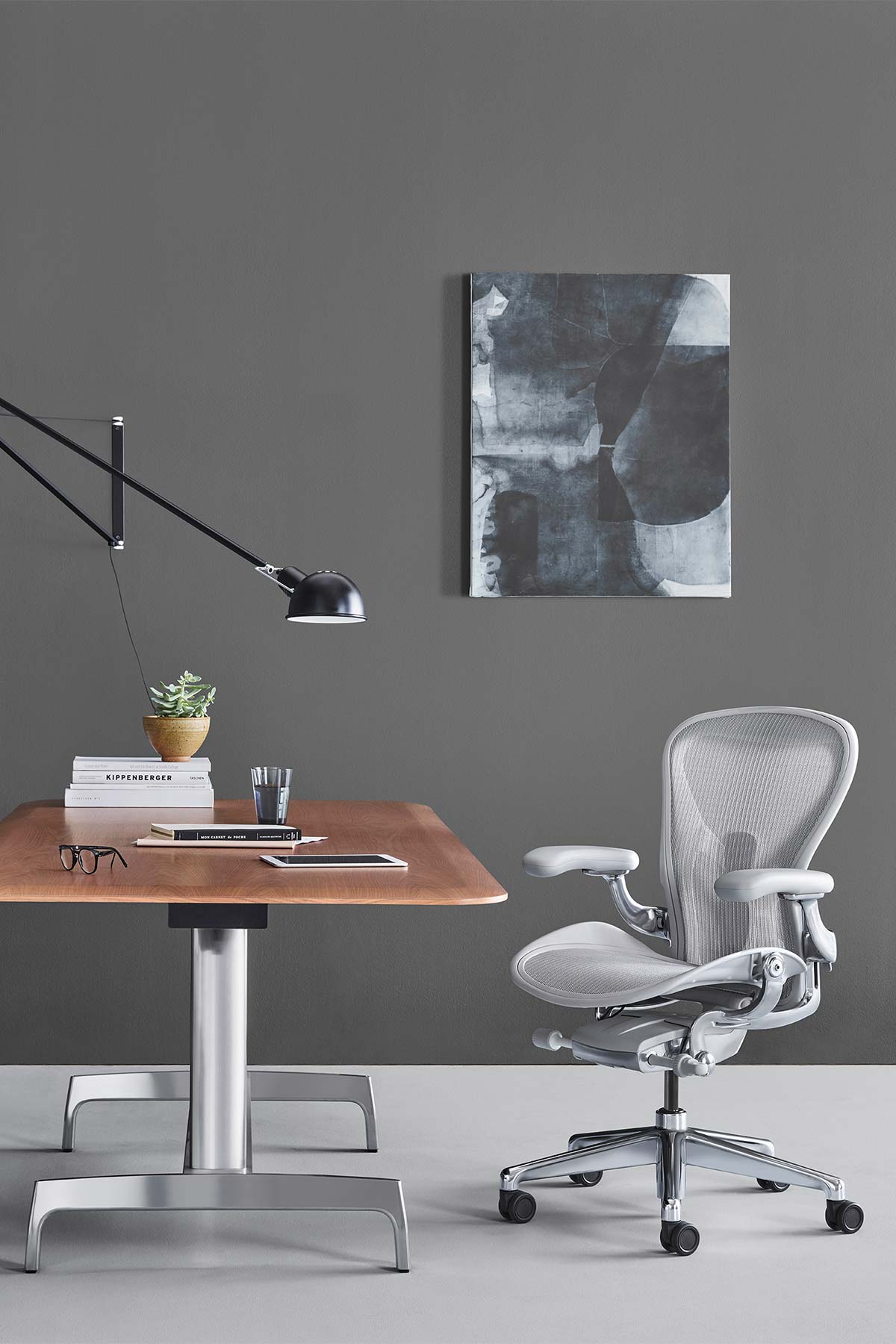
Aeron by Herman Miller, design Bill Stumpf & Don Chadwick
Designed by Philippe Starck for Driade in 1984 and conceived for the now-closed eponymous Parisian café, the Costes armchair marked the beginning of the collaboration between the French designer and the Italian company. Its timeless success is tied to its purity of form: an enveloping dark wood shell supported by three sharply angled legs.
Produced by Herman Miller since 1994, Aeron was designed to adapt to different body types, thanks to the in-depth research conducted by designers Bill Stumpf and Don Chadwick. Its launch revolutionized the office furniture industry with its ergonomic approach, innovative materials, and an instantly recognizable aesthetic.
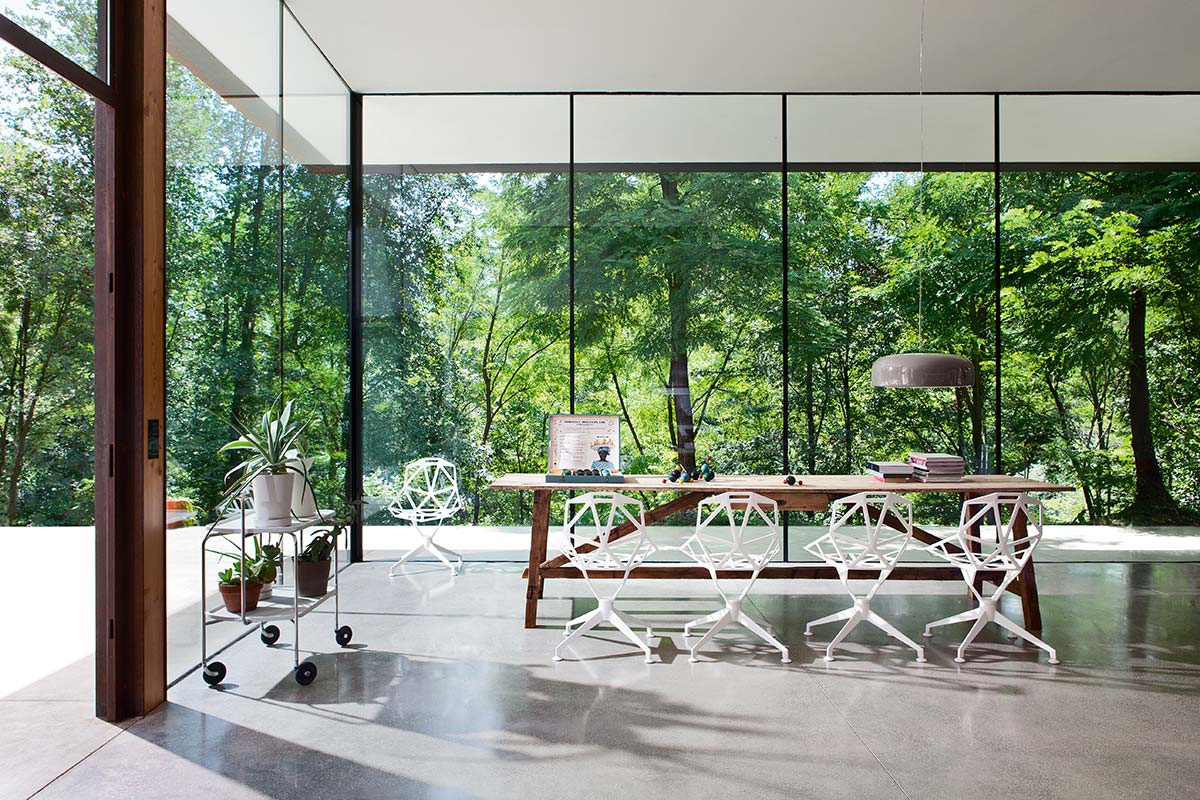
Chair_One by Magis, design Konstantin Grcic
Designed by Konstantin Grcic for Magis in 2004, Chair_One has a shell composed of flat geometric planes, joined together like the facets of a soccer ball. Made of polished die-cast aluminum or with a colored fluotitanization treatment or outdoor-grade paint, it is available in several versions, including a stackable chair with extruded aluminum legs and a fixed or swivel armchair with a concrete base.
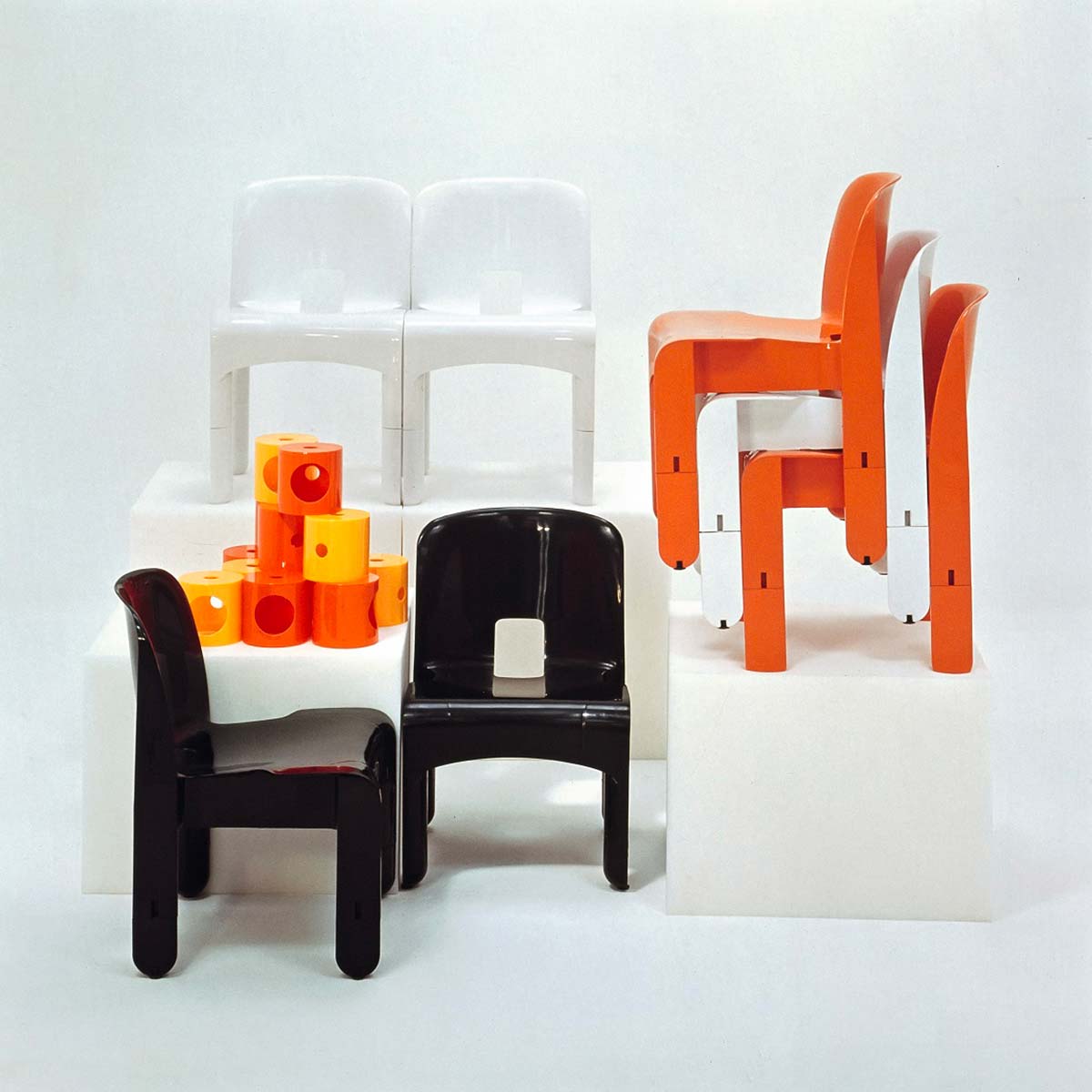
Universale 4867 by Kartell, design Joe Colombo
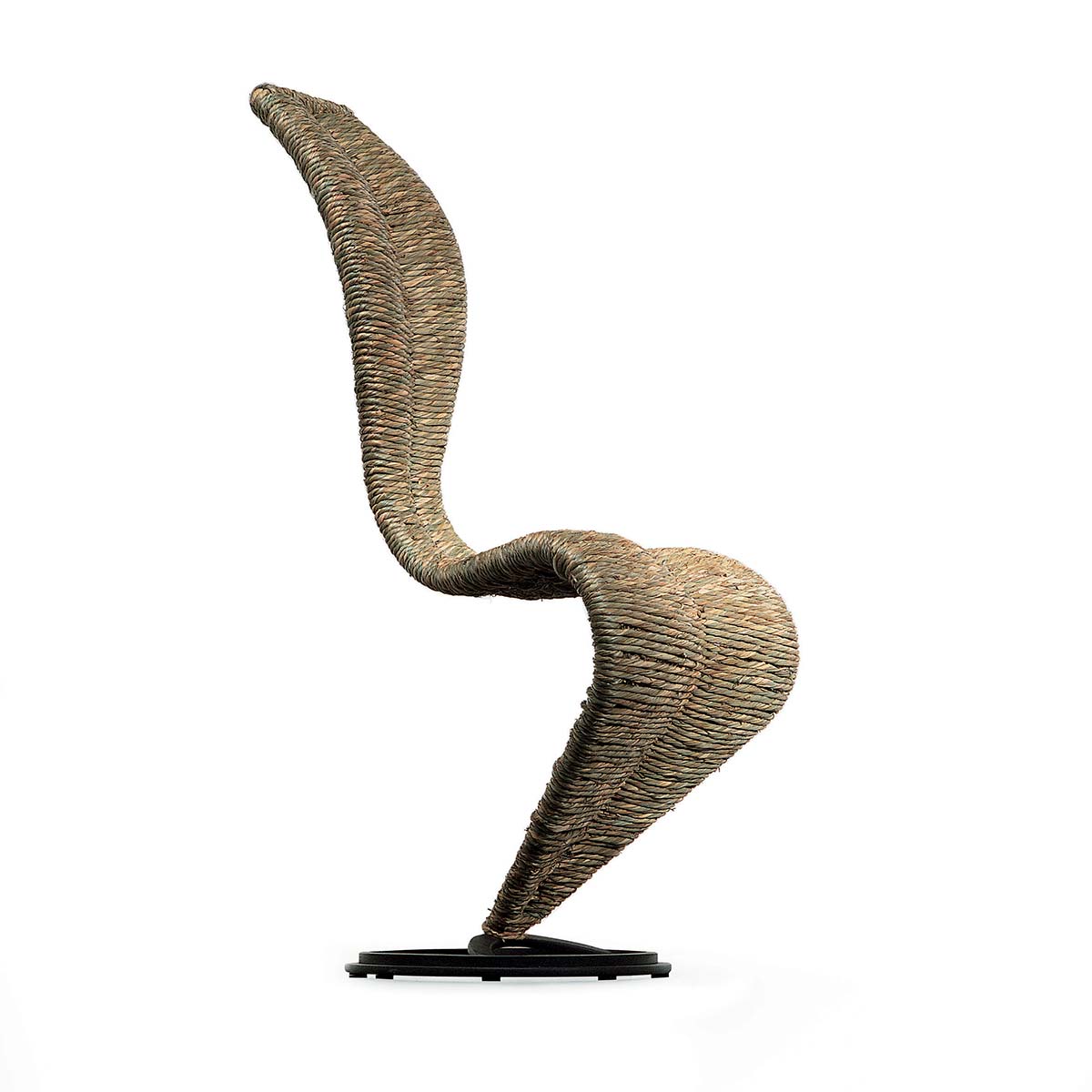
S-Chair by Cappellini, design Tom Dixon
Designed by Joe Colombo, the Universale 4867 is regarded as the first industrially produced plastic chair for adults, manufactured by Kartell in 1967. Initially made from ABS, it was later produced in nylon and finally in polypropylene, the material used until it was discontinued in 2012. The structure consists of a single-piece seat-back shell and pressure-fitted legs. The characteristic central hole, extremely complex to achieve during molding, defines its aesthetic identity and makes it easy to handle.
Designed by Tom Dixon for Cappellini in 1991, the S-Chair features a dark-painted metal frame. The original version is upholstered in woven marsh straw, while other variations are available in wicker or with a fixed cover in a selection of leathers and fabrics from the collection. In the marsh straw version, the weaving is done entirely by hand and requires about six hours of work.
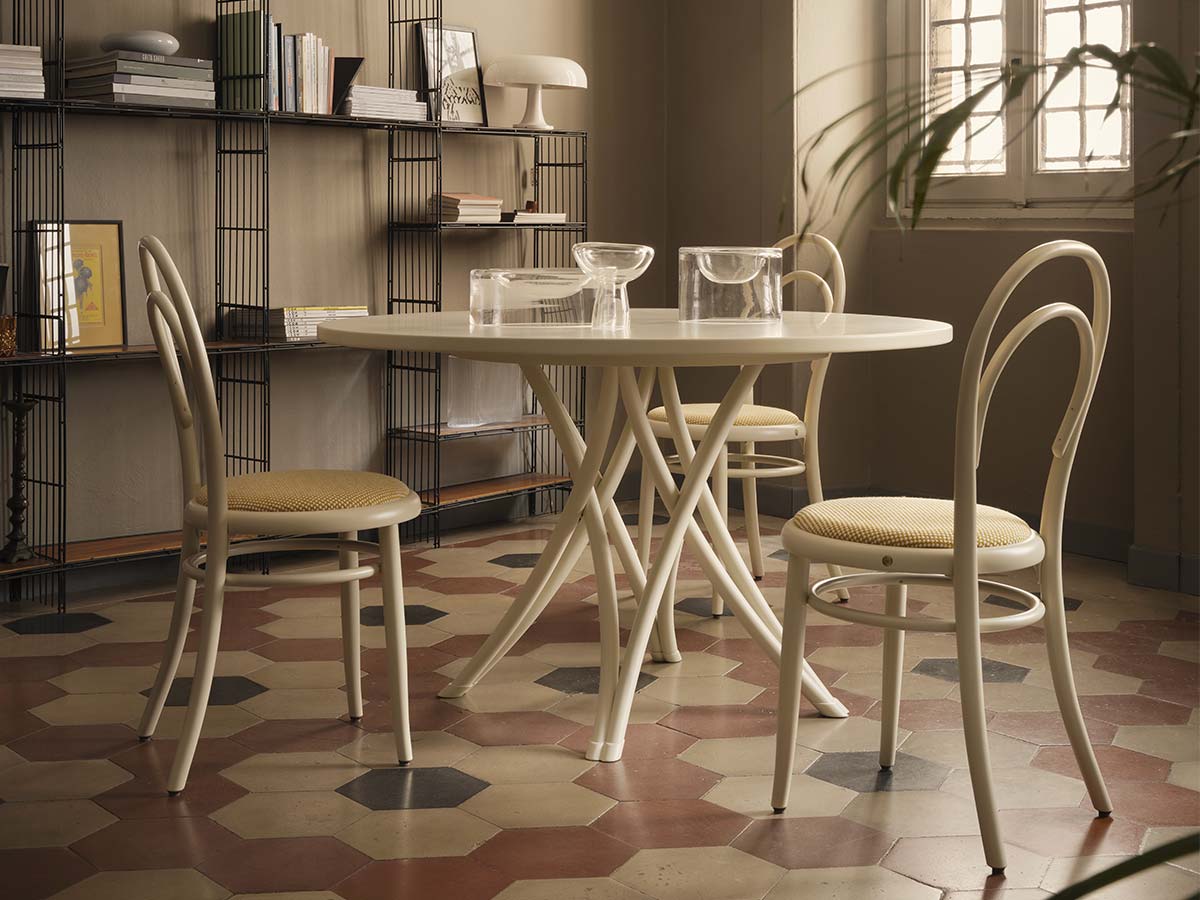
n. 14 by Gebrüder Thonet, design Michael Thonet
Disegnata da Michael Thonet nel 1859 per la sua azienda Gebrüder Thonet, la n. 14 è considerata la sedia da bistrot per eccellenza. Minimalista nell’impiego del materiale e nel numero di componenti che la costituiscono, soltanto sei, è il risultato di una ricerca tecnologica durata quasi vent’anni. La struttura è composta da elementi di faggio massello curvati a vapore, con schienale e gambe posteriori ricavati da un unico pezzo di legno.
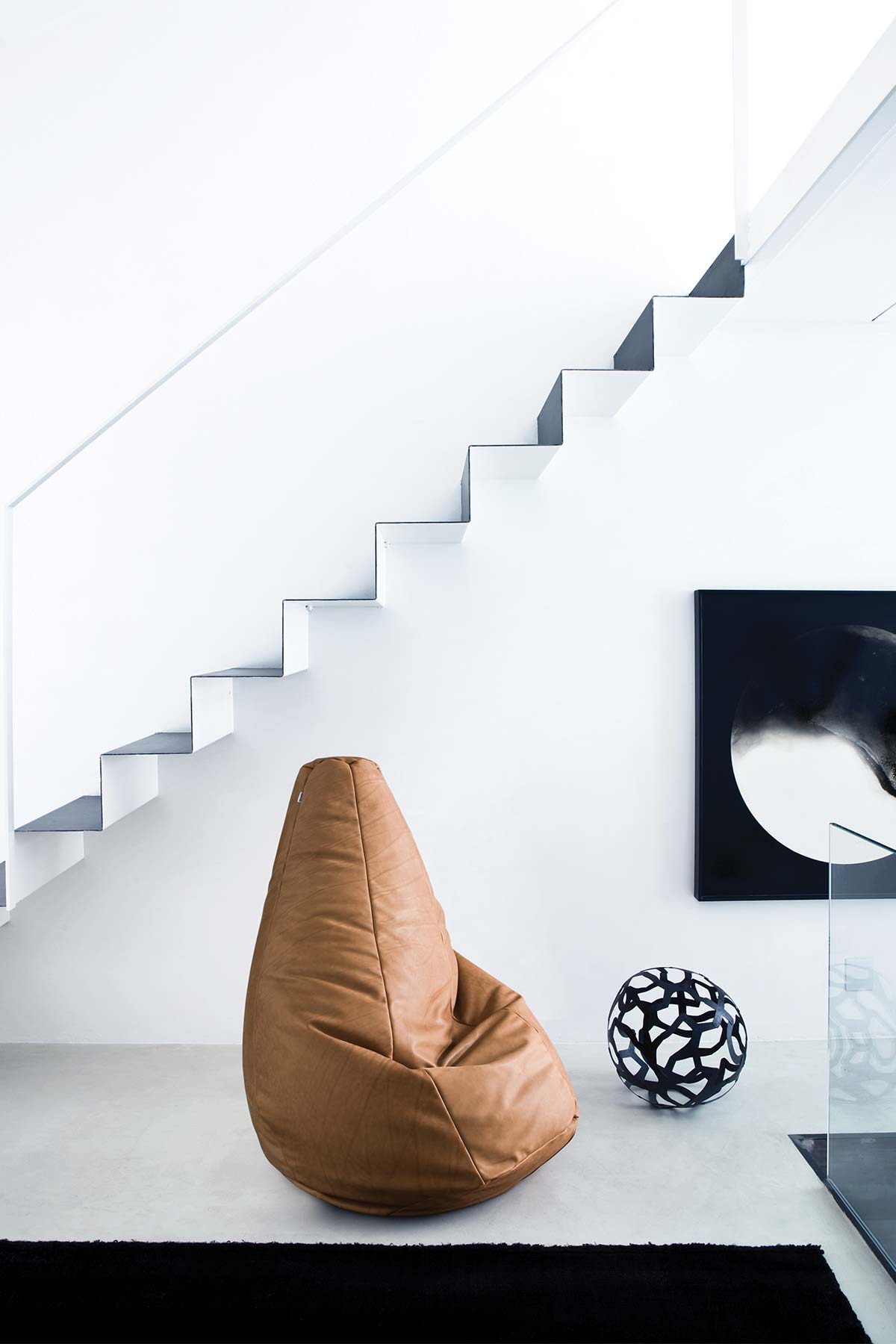
Sacco by Zanotta, design Gatti, Paolini & Teodoro
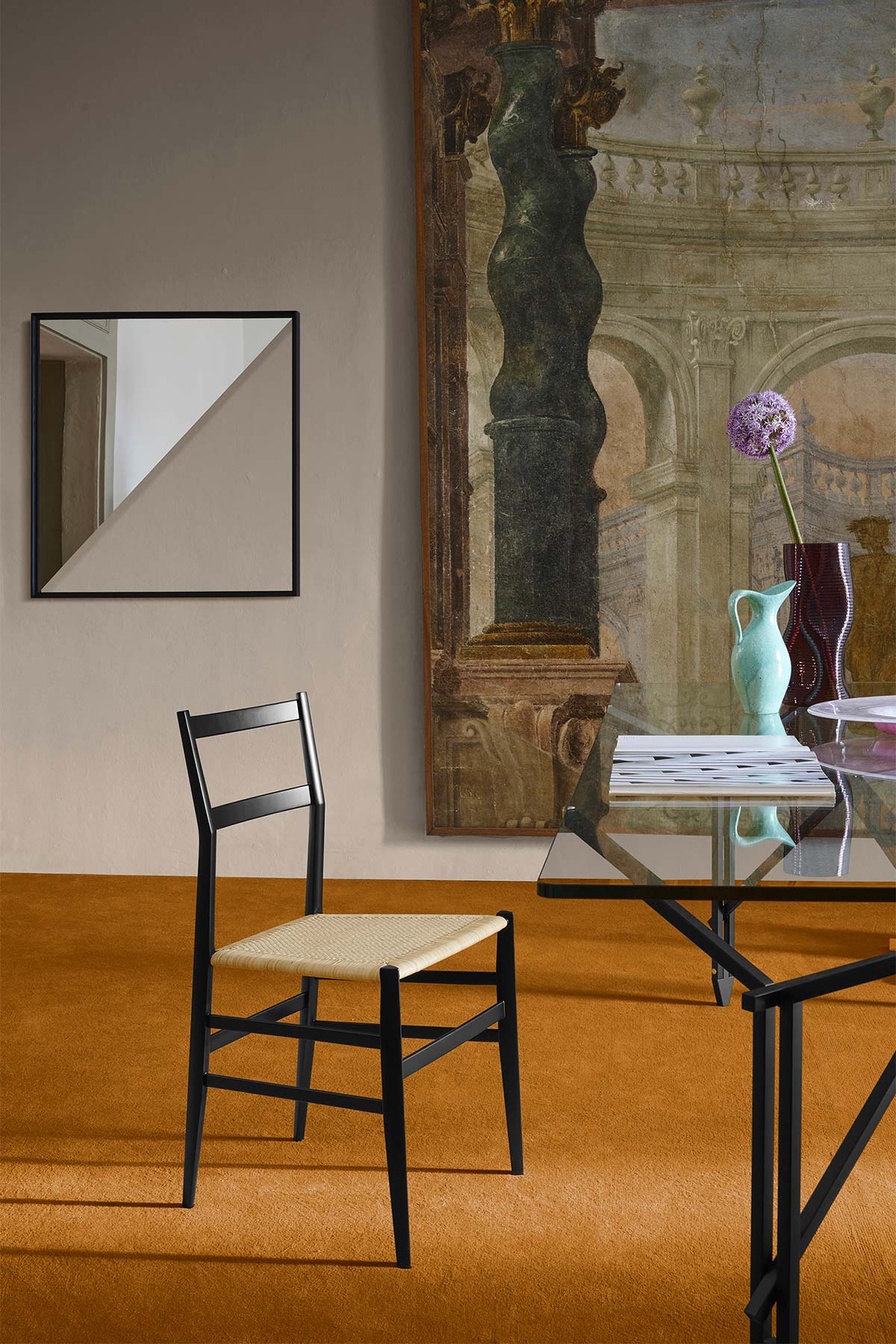
699 Superleggera by Cassina, design Gio Ponti – Photo © Valentina Sommariva
Zanotta‘s Sacco armchair consists of a shell filled with high-resistance expanded polystyrene beads. The goal of its designers – Gatti, Paolini, and Teodoro – in 1968 was to create a universal seat capable of adapting to the body in any position. To this day, it is considered one of the most innovative and representative objects of Italian design.
In continuous production since 1957, the 699 Superleggera represents the synthesis of Gio Ponti‘s design research and Cassina‘s advanced experimentation. Its structural challenge lies in the triangular cross-section of its legs, measuring just 18 millimeters, and its featherlight weight of only 1,700 grams. The flexible and lightweight ash wood frame is paired with a seat frame made of beech, which is more compact and load-resistant.