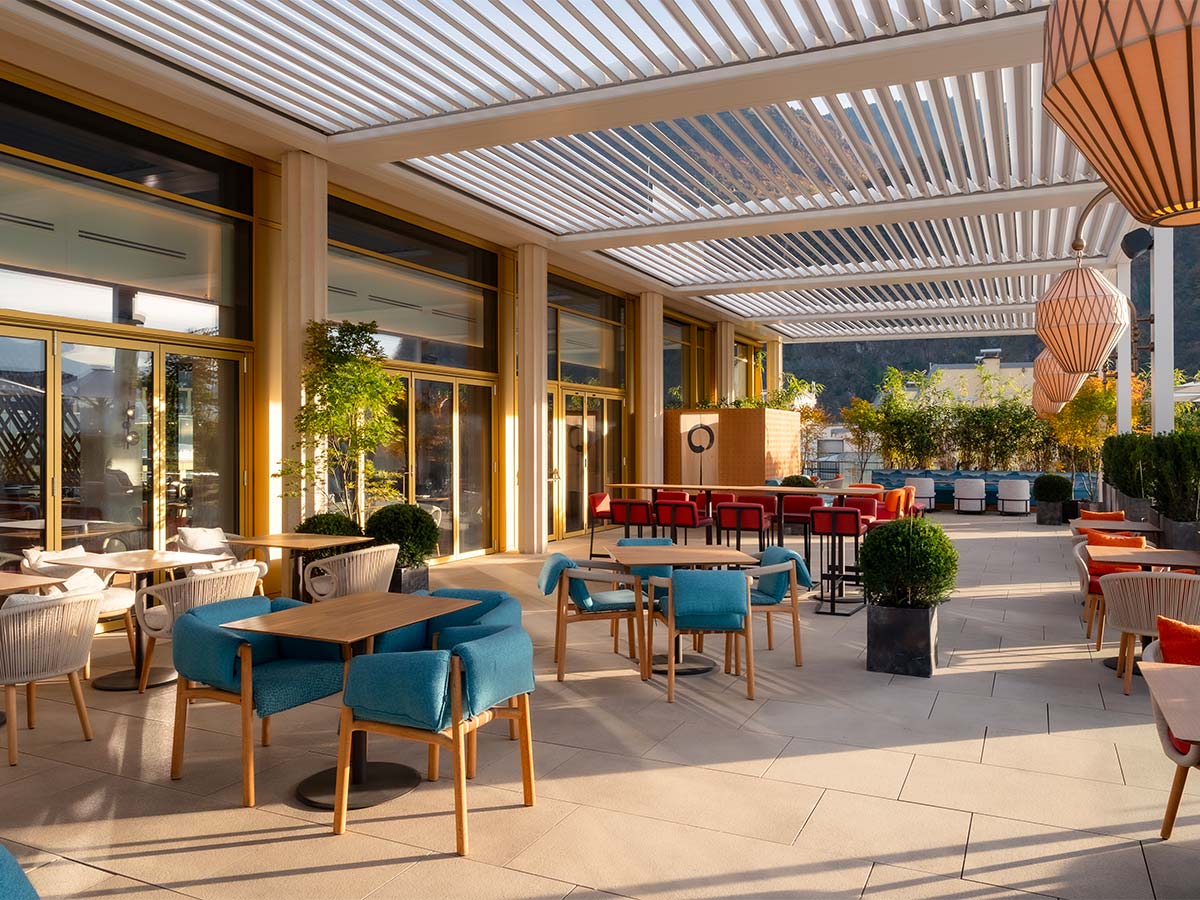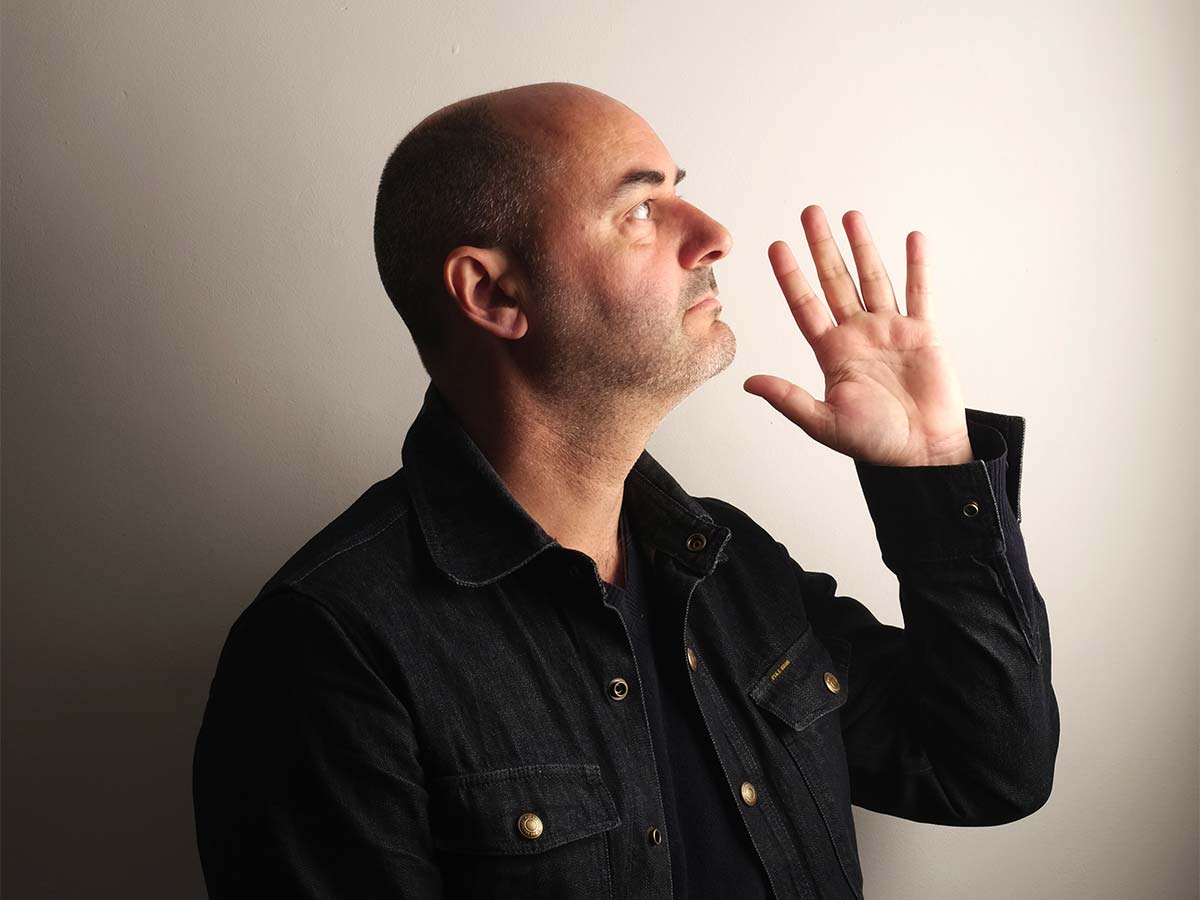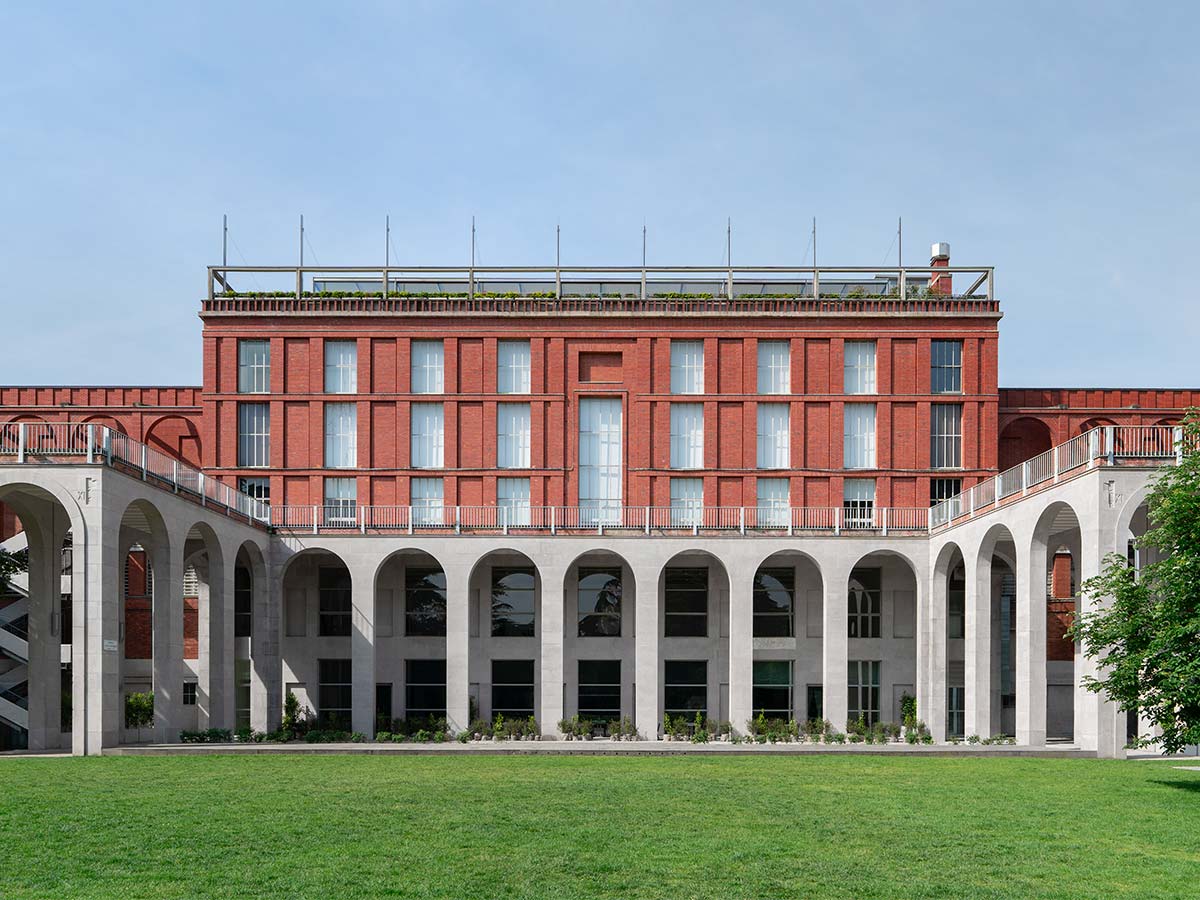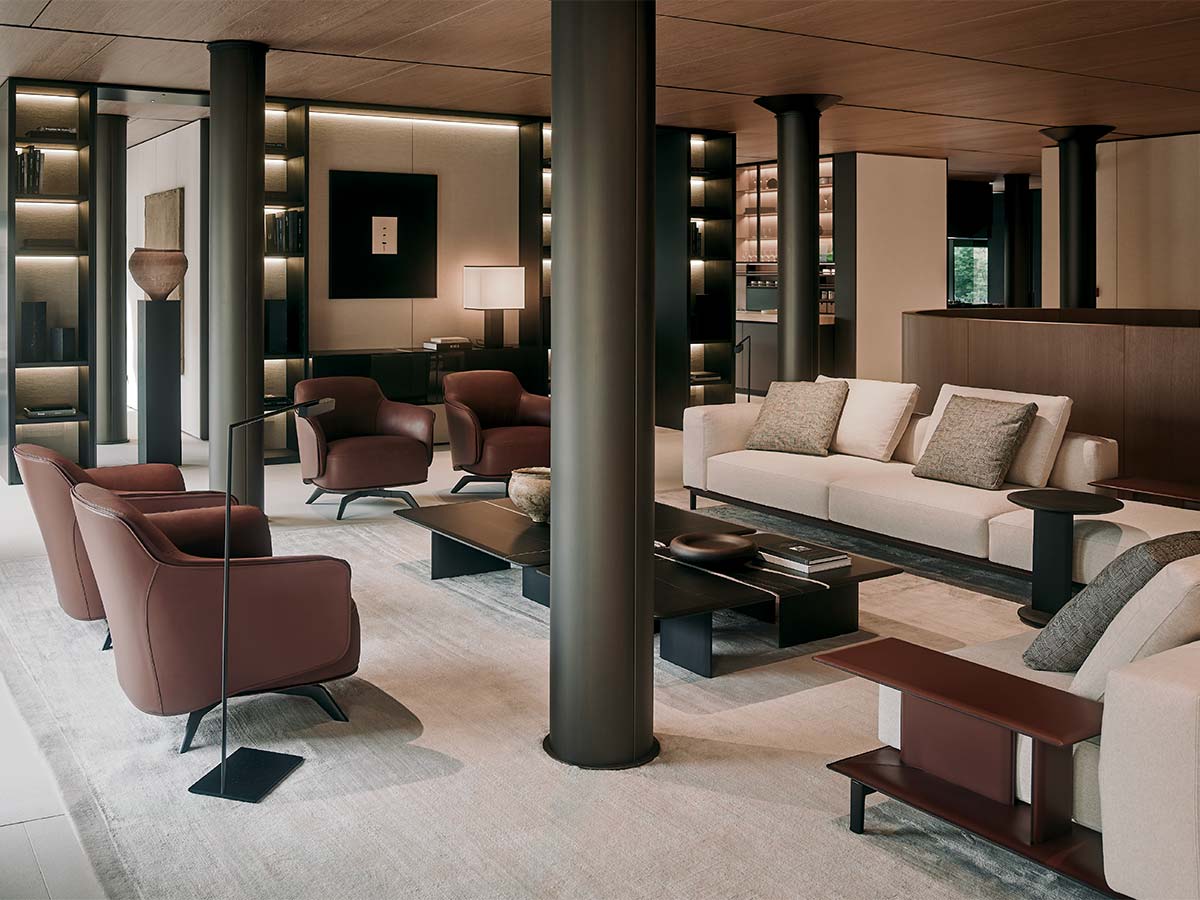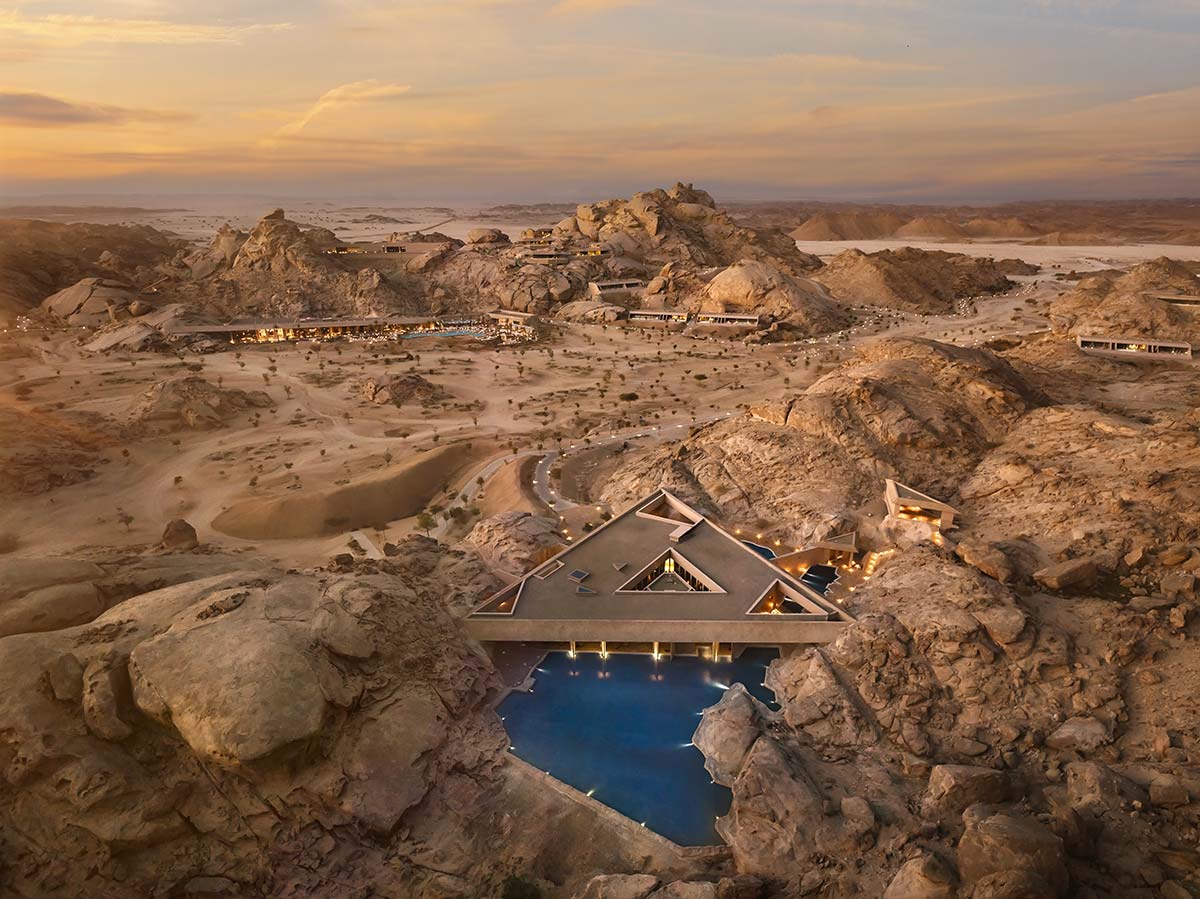

Champalimaud Design studio was founded in New York by Alexandra Champalimaud, now President, in the Nineties. As Ed Bakos, Partner and CEO, tells us in these pages, the firm “grew its early reputation with contemporary renovations of renowned hotels, shaping a philosophy around lifestyle that we now apply to a range of typologies, including restaurants, multifamily developments, and private residences”. After more than four decades of works, awards and achievements blending heritage and the contemporary, bespoke environments and transformative spaces, sense of purpose and the humanist essence of design, 2025 saw projects unveiled in Litchfield, Connecticut, Belden House & Mews, St. Moritz, Badrutt’s Palace, Beverly Hills, L’Ermitage, Naples, Florida, Four Seasons Hotel and Residences, London, The Emory, and the Cayman Islands, The Ritz Carlton, to name a few.
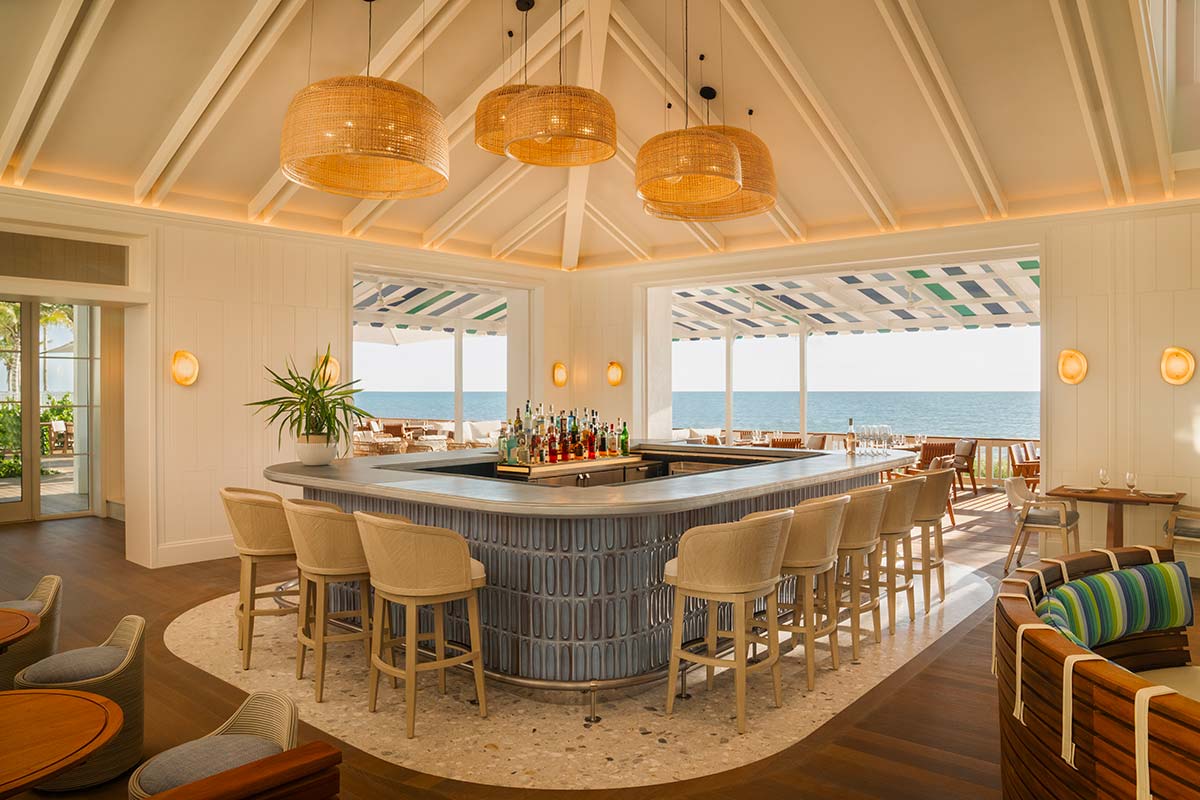
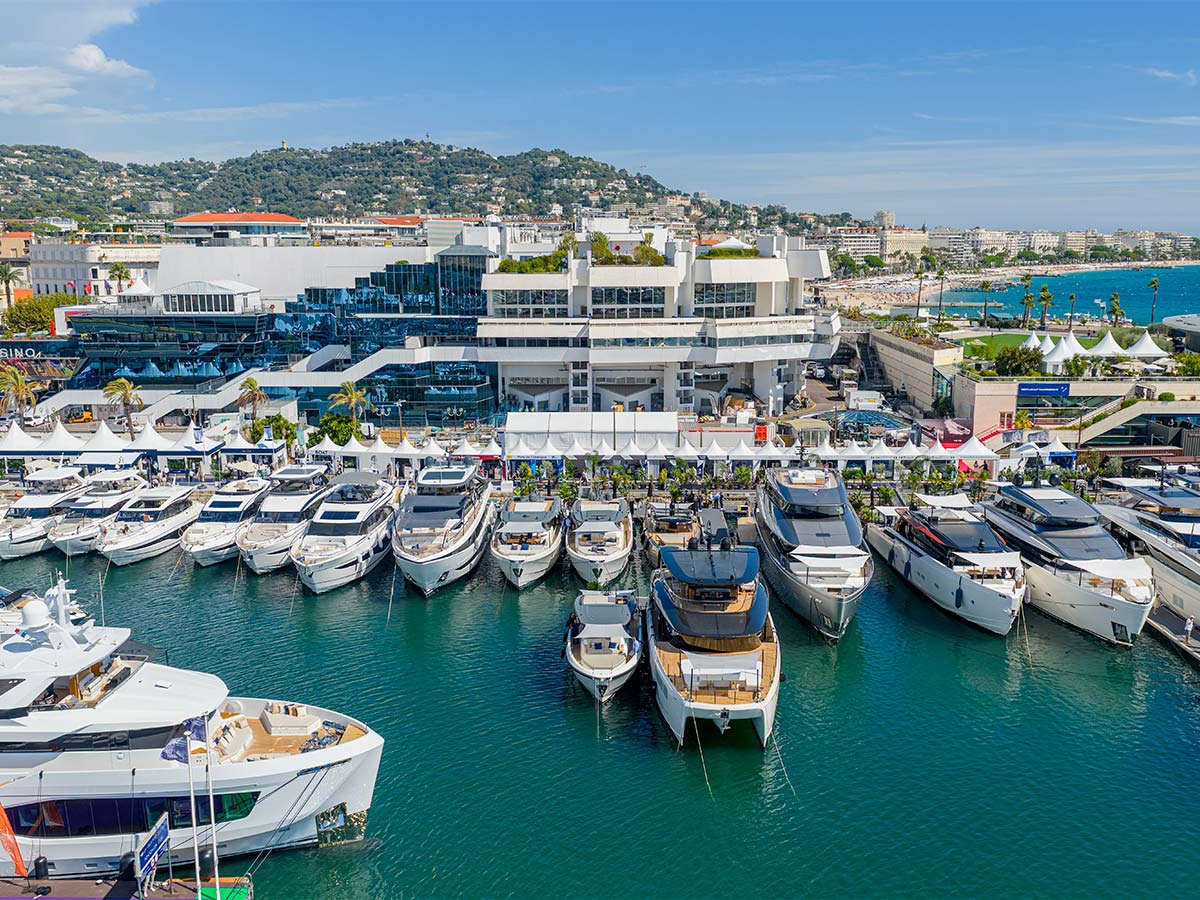
Naples Beach Club, Florida
Which are the main sources of inspiration of your design ethos?
Our point of view is inspired by Alexandra Champalimaud’s sense of approachable and relaxed sophistication, and our projects seek to interpret this ethos authentically around the world. Our work has been defined by a dedication to crafting spaces that not only stand the test of time but also evoke a sense of connection and purpose. We try to blend originality, sophistication, and a deep understanding of how people truly live and experience space.
Which is your creative philosophy and how do you convey it in your design approach?
Our approach has a lot to do with the choreography of movement between spaces, all centered around lifestyle. The studio’s product development, in our recent fabric launches with Holland & Sherry and the upcoming collections, lies close to our central DNA. It’s an integrated vision that stems from our point of view about how one lives. Our work weaves in modernity in terms of how things are made and how we bring craft and relevance into our projects, focused on ideas about comfort, service and bespoke design.
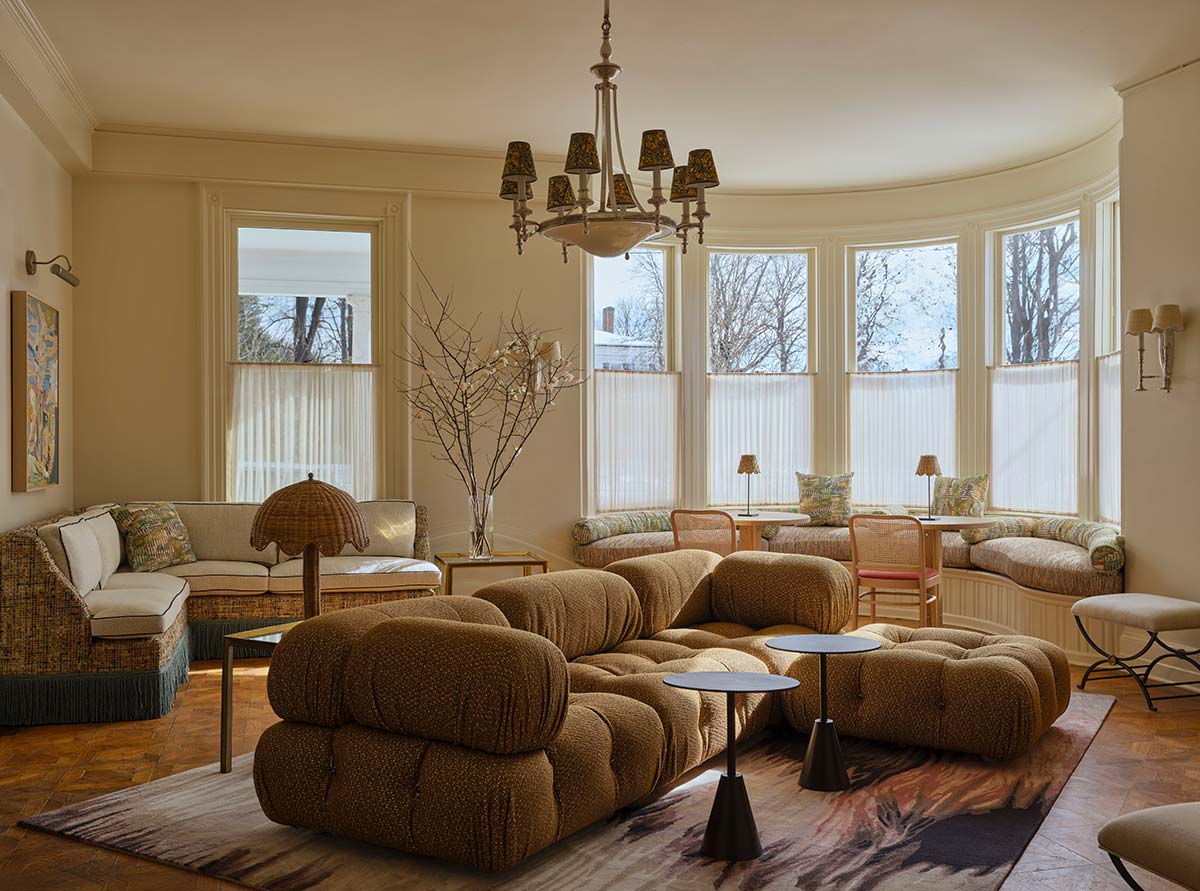
Belden House & Mews, Connecticut
What do you think of the belief that there is no aesthetics without ethics in contemporary design?
The reasons why we’re creating are integral to our practice. We don’t create out of selfishness but out of empathy, and we never forget the humanist essence of design. A beautiful chair in a hotel lobby is not only how it looks sitting in the room. It’s a physical reflection of how it was made, who did it, and the ways in which it affects each person from the designer to the guest.
How do you manage to blend heritage or local sources and the contemporary?
We try to join the integrity of a place, its authentic story, with the constantly evolving lifestyle of the contemporary guest. Every place has a story to tell. In the early phases of our projects, we dig deep into the identity of where we’re working, picking out what makes it special and solving how to capture that in our design. Our recent work at Belden House & Mews, a property in the historic American town of Litchfield, Connecticut, saw us juxtapose a contemporary Italian sofa with an original 1888 fireplace in the main public space of the former Victorian-era mansion. We found craftsman signatures signed throughout the original walls, and we recreated these in the new guestroom wallcoverings we designed with a local manufacturer. Heritage and contemporary elements don’t contradict each other—they tend to create a compelling space that feels both relevant and fresh, but rooted in something real.
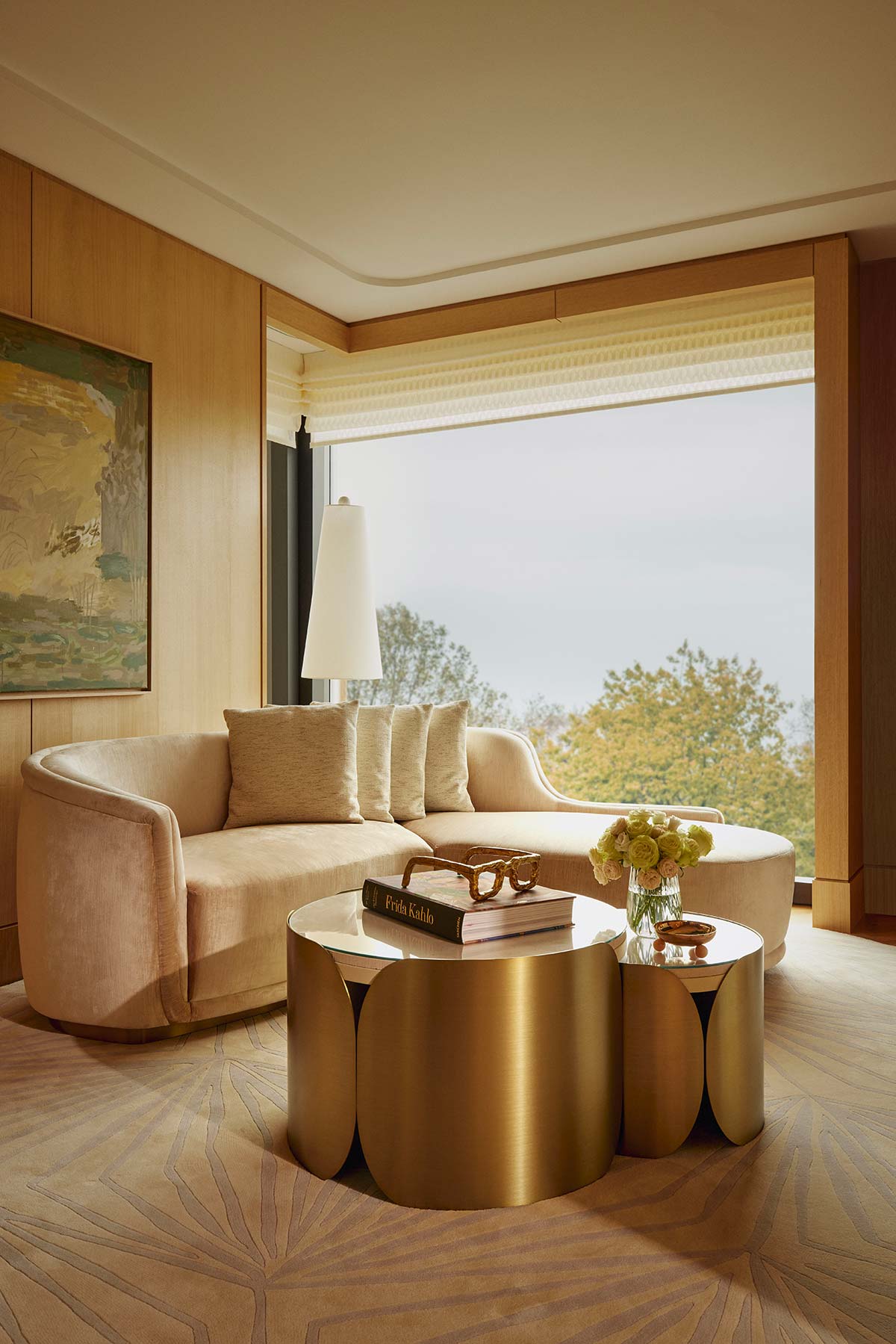
The Emory, Londra
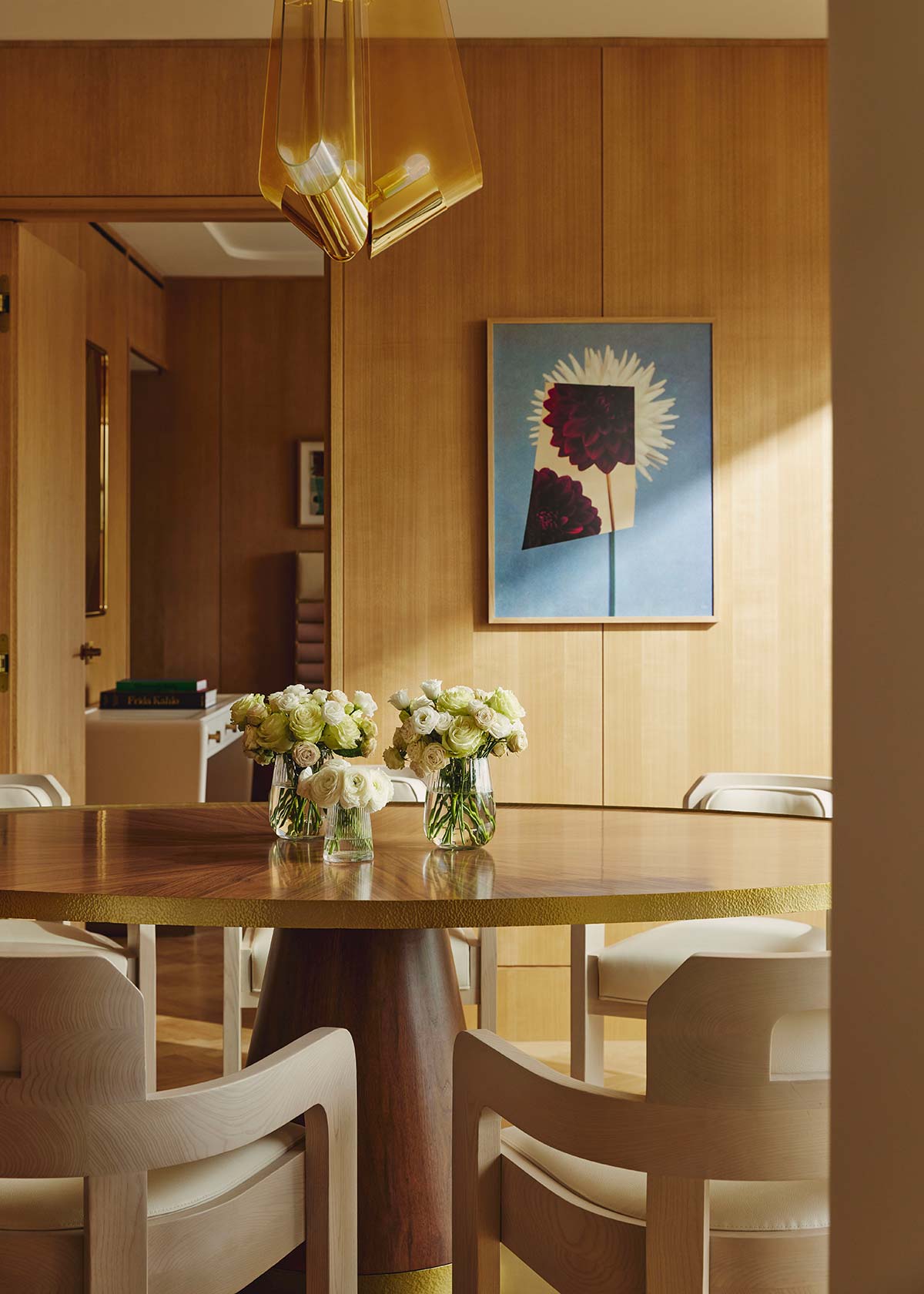
The Emory, Londra
How significant are both customization and craftsmanship in your design practice?
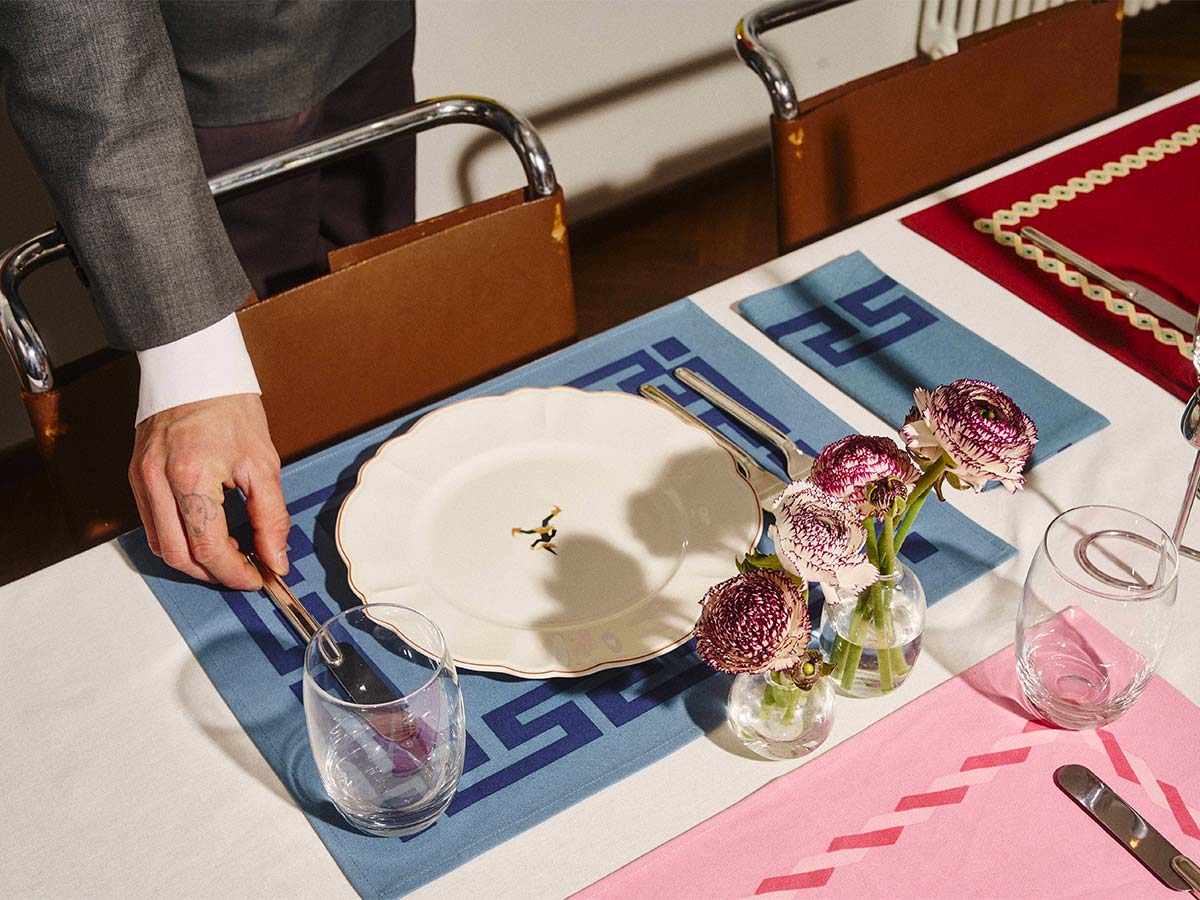
See details about customization below. I feel it’s always interesting to go to new places and meet new craftspeople that contribute to the project. I always learn a lot from them and enjoy learning more about how others perceive luxury in the different parts of the world in which we work.
How do you think environments for hospitality have changed over the last decade?
There’s been a shift in the emotions that hospitality environments are meant to evoke. I feel they’ve become far more personal, both in experience and design. More than ever, our design has been shaped by the deep level of service guests now expect in the finest hospitality spaces. While hotels used to strive for drama or grandeur, some of our recent projects are more about peace and authenticity. The Emory is an all-suites hotel with almost no lobby to speak of, tucked away comfortably for guests to feel an instant sensation of comfort and respite.
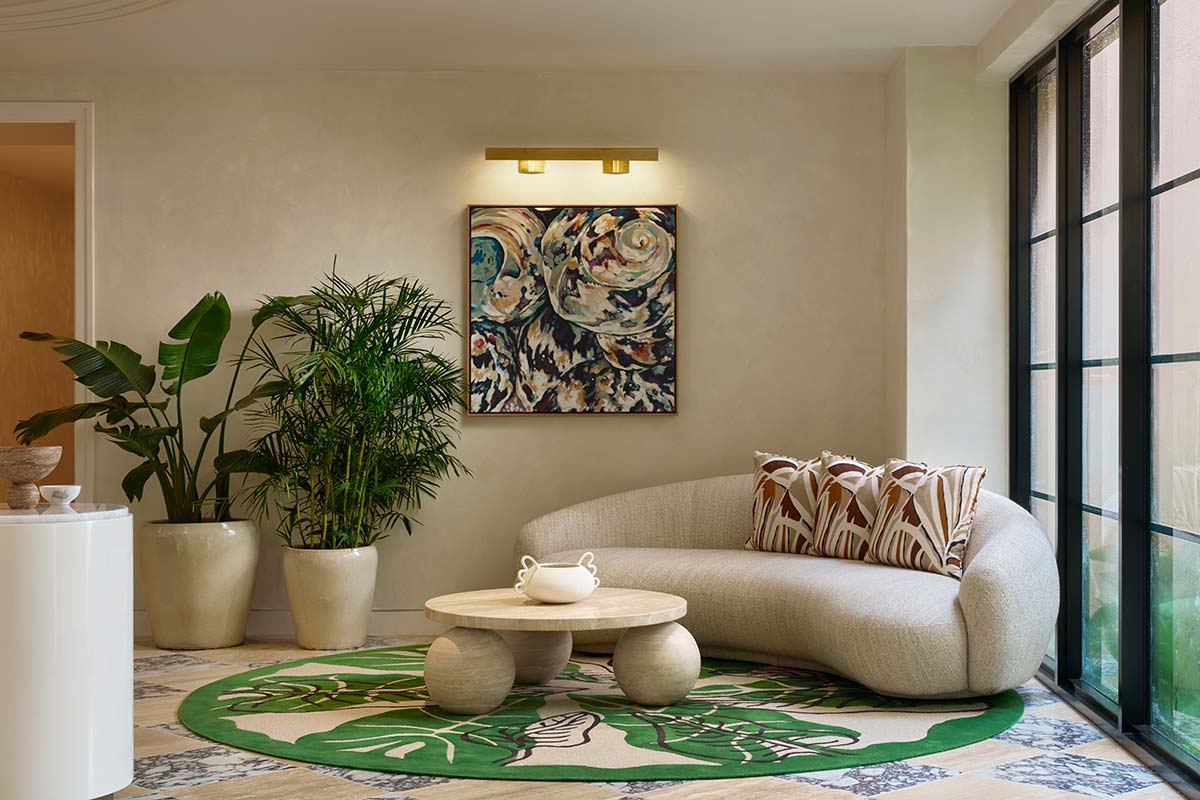
The Ritz Carlton, Grand Cayman
Do you design most of the furnishings? Do you collaborate with FF&E specialists?
Much of our furniture is highly customized for each project. We’re lucky to have longstanding relationships with manufacturers and artisans around the world, some of whom have worked and grown with us across numerous projects. It is our privilege to learn from craftspeople, to dive deep into their worlds, and to imbue the spaces we design with their rare kind of magic.
Which is the project(s) you can consider seminal for the firm? And why?
It’s not in one project that we define ourselves, but really in the challenges that each new one presents. We’ve been trusted to work on some of the most deeply loved properties around the world, and these projects are bigger than all of us. Our work on Raffles Singapore really pushed us to identify what made the property so special in the first place, and not to strip that away while infusing the place with modernity. Getting to work on the iconic St. Regis in our home city of New York has also been a tremendous privilege.
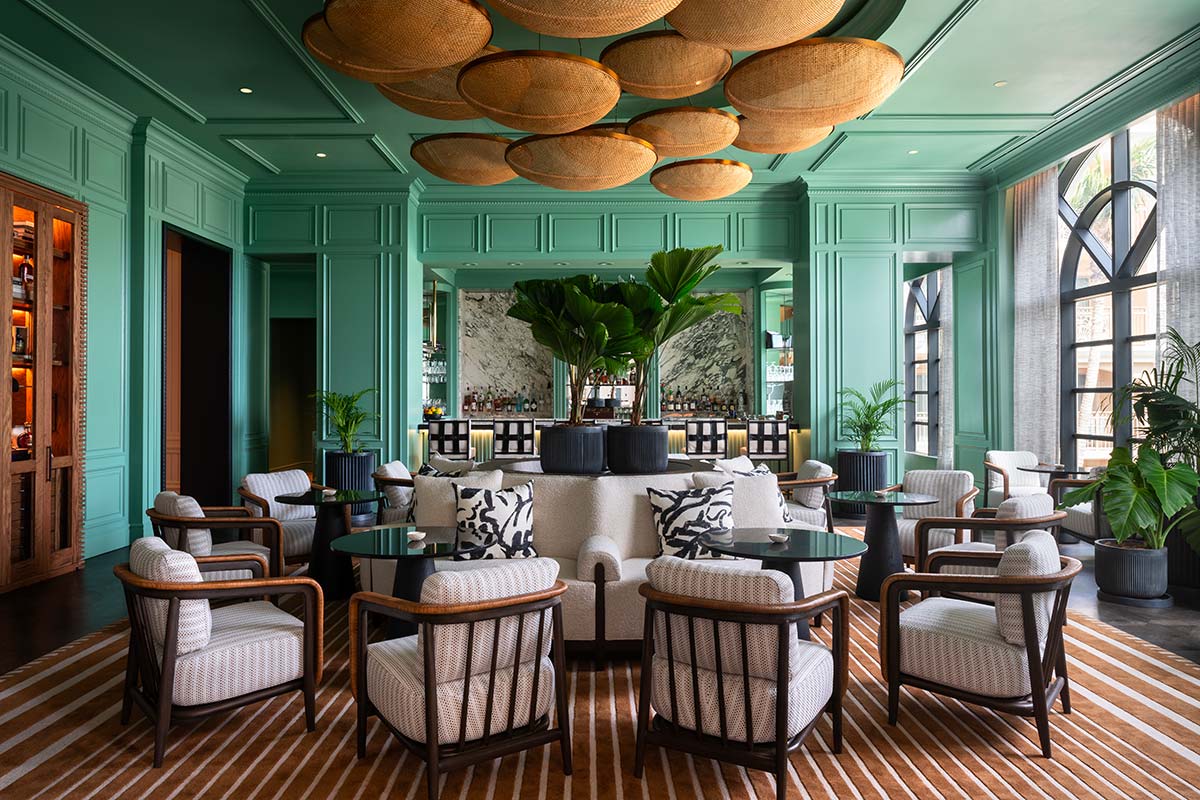
The Ritz Carlton, Grand Cayman
Could you tell us something about your ongoing and upcoming works?
We’re excited about the opening of the Naples Beach Club Four Seasons resort in Naples, Florida, where we’ve designed both the hotel and residences. It’s a highly contemporary, gracious property rooted in the nostalgia of South Florida. We’ve also completed work on the guestrooms and suites at The Cooper, which looks to be a landmark hotel for Charleston, South Carolina. We designed rooms to optimize for natural light, incorporating shiplap walls and ceilings and light oak floors for an approachable elegance. We’ll also have hotel and residential projects opening in Hawaii and Bali, as well as some exciting new product collections to be announced.