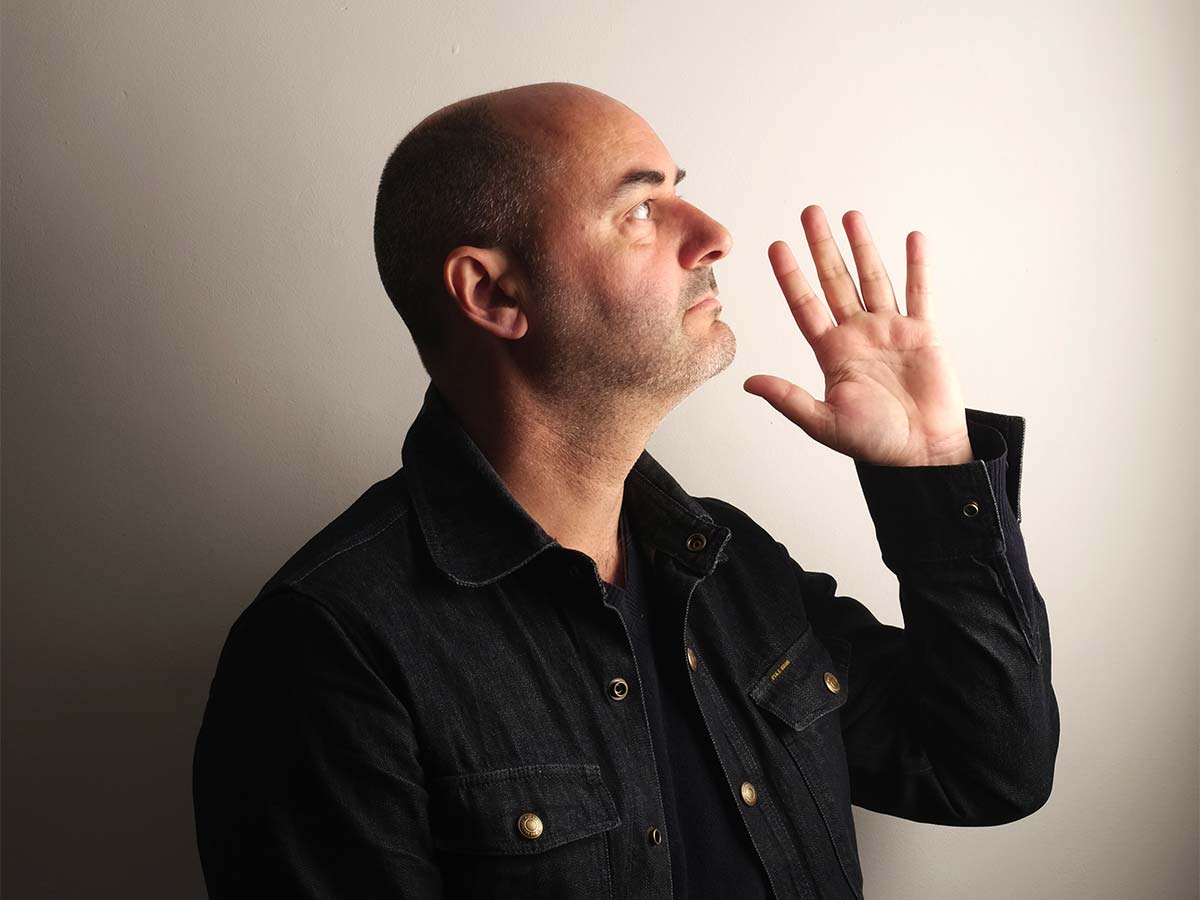
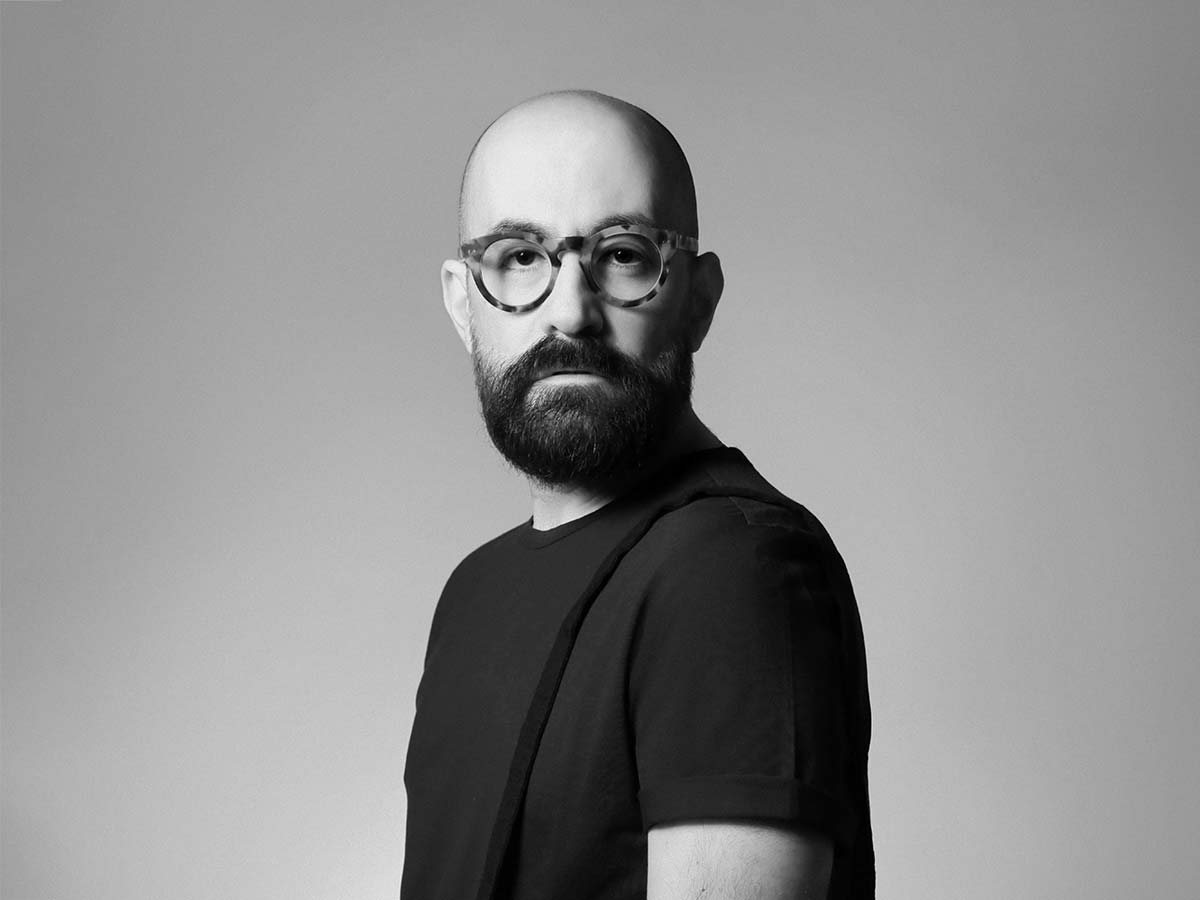
Few designers blur the boundaries between collectible art, sculpture, and functional design quite like Richard Yasmine. Known for objects that carry symbolism, narrative, and emotional intensity, the Lebanese designer has built a distinctive language where craft, concept, and cultural reflection intersect. Growing up in Beirut’s Ashrafieh neighborhood, surrounded by couture ateliers and the textures of the city’s architecture, Yasmine developed an early sensitivity to materials, details, and the stories objects can hold. Over the years, his work has evolved into a body of pieces that move between poetry and provocation, often exploring themes of identity, memory, and human emotion. Designing from Lebanon also means working within constant unpredictability, where shifting realities can affect production, materials, and the creative process itself. Yet these challenges have shaped an approach rooted in adaptability and resilience, where objects become vessels for narrative and reflection. In this conversation, Yasmine speaks about the beginnings of his design journey, how Lebanon continues to influence his imagination, and why storytelling remains the foundation of his practice. He also reflects on the role of craftsmanship, the emotional context behind his collections, and what it means to continue creating in times of uncertainty.
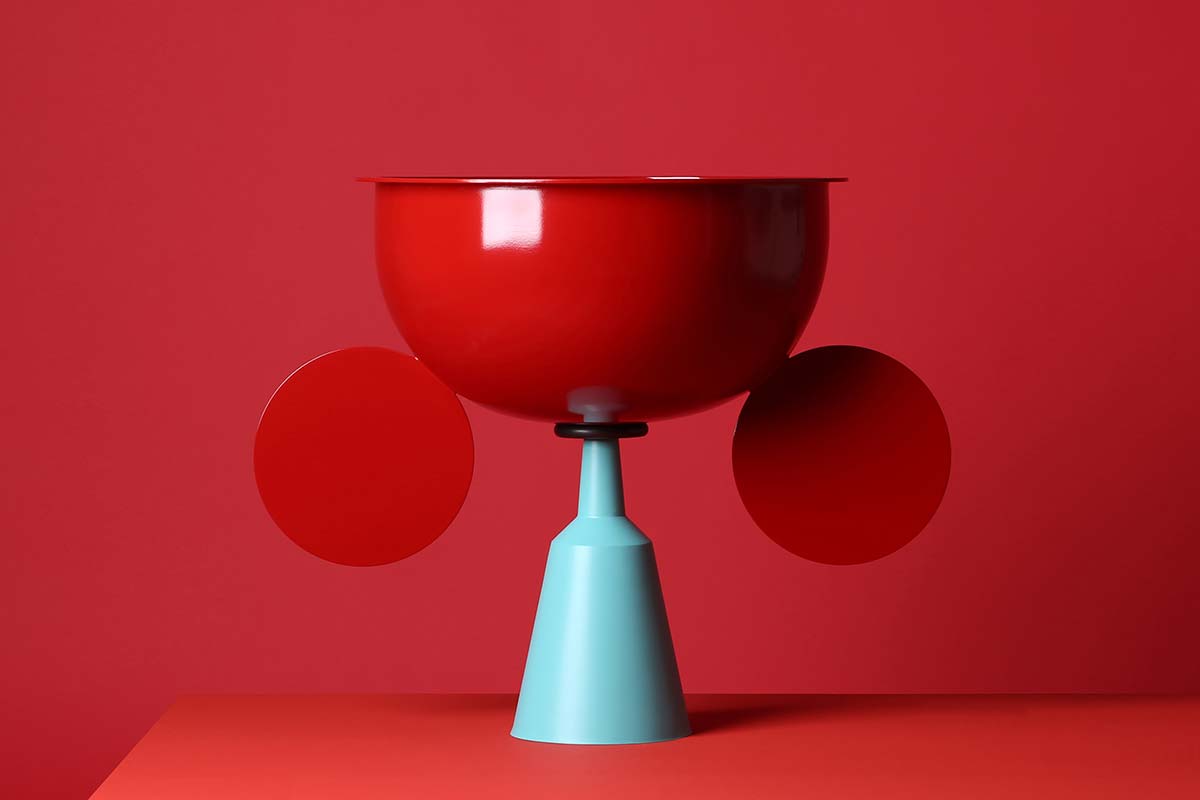
Ô-Cult, design Richard Yasmine – Photo © Bizarrebeirut
Your work exists between product design and collectible art. How did your journey into design begin, and what first drew you to creating objects?
My journey into design began very early in life, almost naturally. As a child, I was constantly sketching dresses and imagining fashion. My paternal family worked in couture for both women and men, so I grew up surrounded by fabrics, patterns, and the quiet magic of ateliers. That environment shaped my sensitivity to materials and detail from a very young age. Even small things fascinated me. I still remember the terrazzo tiles in our house in Ashrafieh. Every room had a different pattern, and I observed them closely. I also had very strong opinions about aesthetics. I loved choosing clothes, furniture, and small objects around the house, sometimes even for my family or neighbors. People often told me I would become either a fashion designer or an interior architect, and honestly, both worlds attracted me deeply. I even learned to sew on my grandmother’s old Singer machine, and I still know how to use it today. My mother always says that as a child I had an unusual attention to detail. When we were driving, I would read every road sign and shop sign. I think I always had a curious eye for form, texture, and changes in the environment. Growing up in Ashrafieh also played a major role. The old architecture, stone façades, stairs, and textures of the city all became part of my visual memory. Walking through those streets was already a kind of silent education in beauty and composition. I eventually studied Interior Architecture and Ornamental Arts at university, which gave structure to what had already been an intuitive passion. More recently, I completed a Master’s degree in Art Criticism and Curating, which added another layer to the way I think about objects, meaning, and culture. Looking back, design was never a sudden decision. It was something that had been quietly growing around me and within me since childhood.
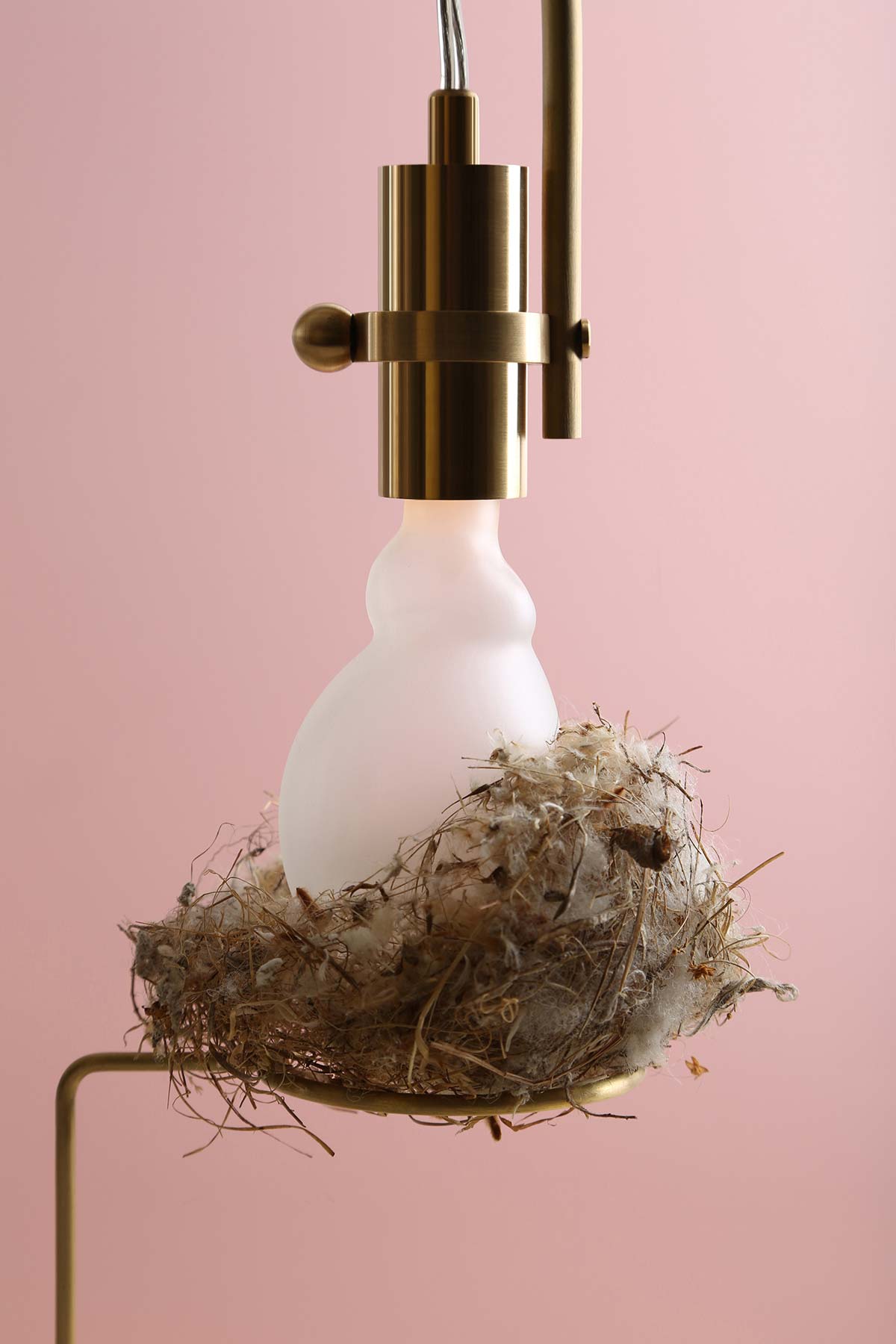
Wake Up Call, design Richard Yasmine – Photo © Bizarrebeirut
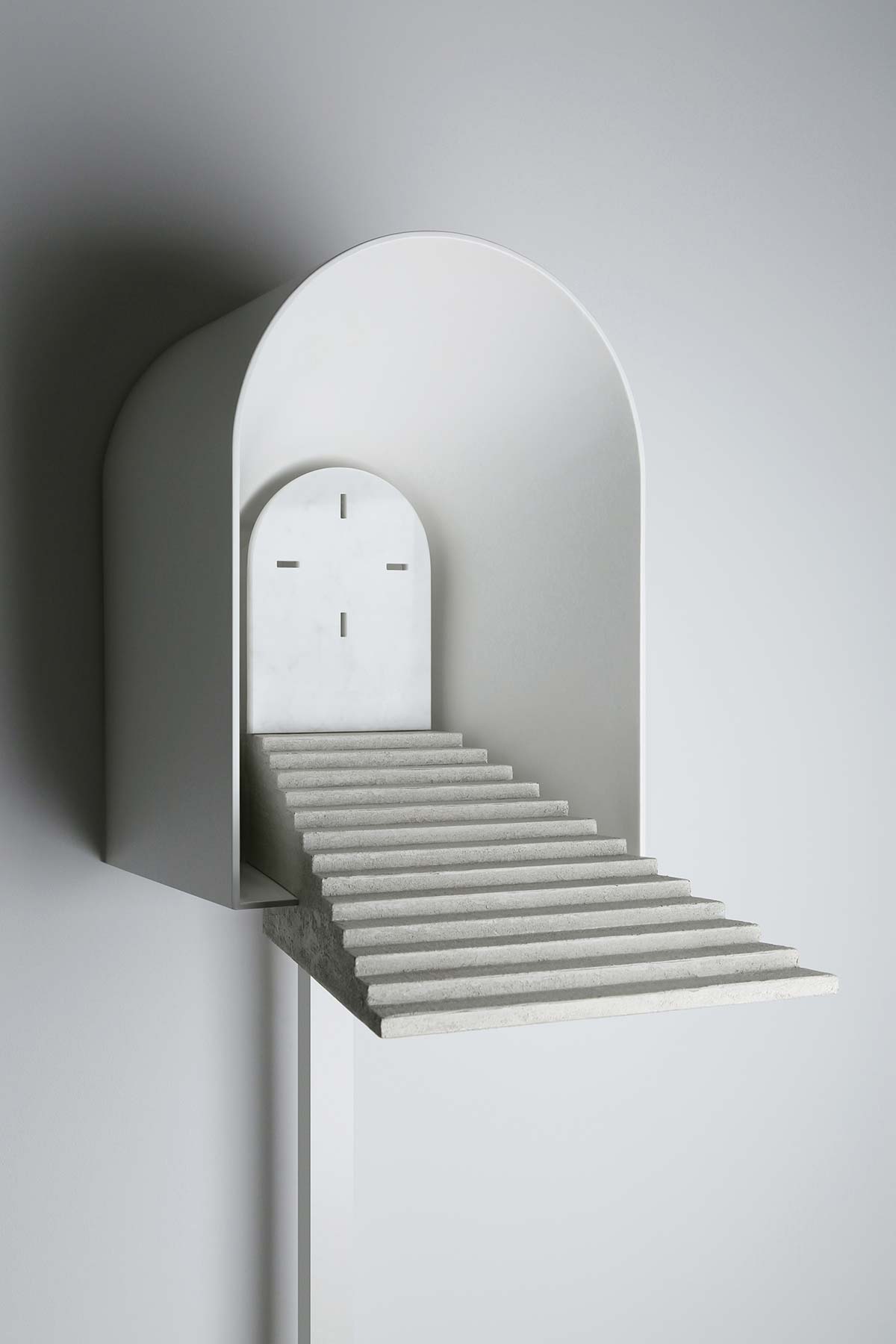
The Cure, design Richard Yasmine – Photo © Bizarrebeirut
Looking back at your early work, how has your design language evolved over the years?
Since the beginning of my career, I feel my design language has remained quite consistent. My work has always been narrative, often poetic, sometimes a little dramatic, and very emotionally driven. I have always been interested in creating objects that evoke feeling rather than focusing only on function or formal aesthetics. Of course, with time everything gains maturity. The work has naturally evolved, just as I have evolved as a person, but the core direction has stayed the same. Whether I am working on a small object or a larger piece of furniture, I continue to follow the same instinctive path, guided by emotion, symbolism, and storytelling. In many ways, the evolution of my work has not been about changing direction, but about deepening the language I began with.
You live and work in Lebanon, a place marked by beauty but also instability. How has the country shaped the way you think about design and creativity?
Lebanon is a country full of contradictions, full of energy, but also deeply rooted in instability. You are asking me this while the entire region feels like it is boiling. We are tired, honestly. Sometimes there are no words that can fully explain what we feel while living through these constant tensions and uncertainties. At the same time, there is something very powerful that keeps many of us here: a deep attachment to this land. A kind of love that is difficult to explain. Despite everything, there is a strong bond that connects us to this place. I have often said that Lebanon, with all its contradictions, layers, and emotional intensity, has shaped my imagination and creativity. Living here means constantly navigating between beauty and fragility, chaos and poetry. Those tensions inevitably enter the way you think, the way you create, and the stories you want to tell through objects. This environment has taught me to see design not only as aesthetics, but as a form of expression, a way to process emotions, memories, and the complexity of the place we call home.
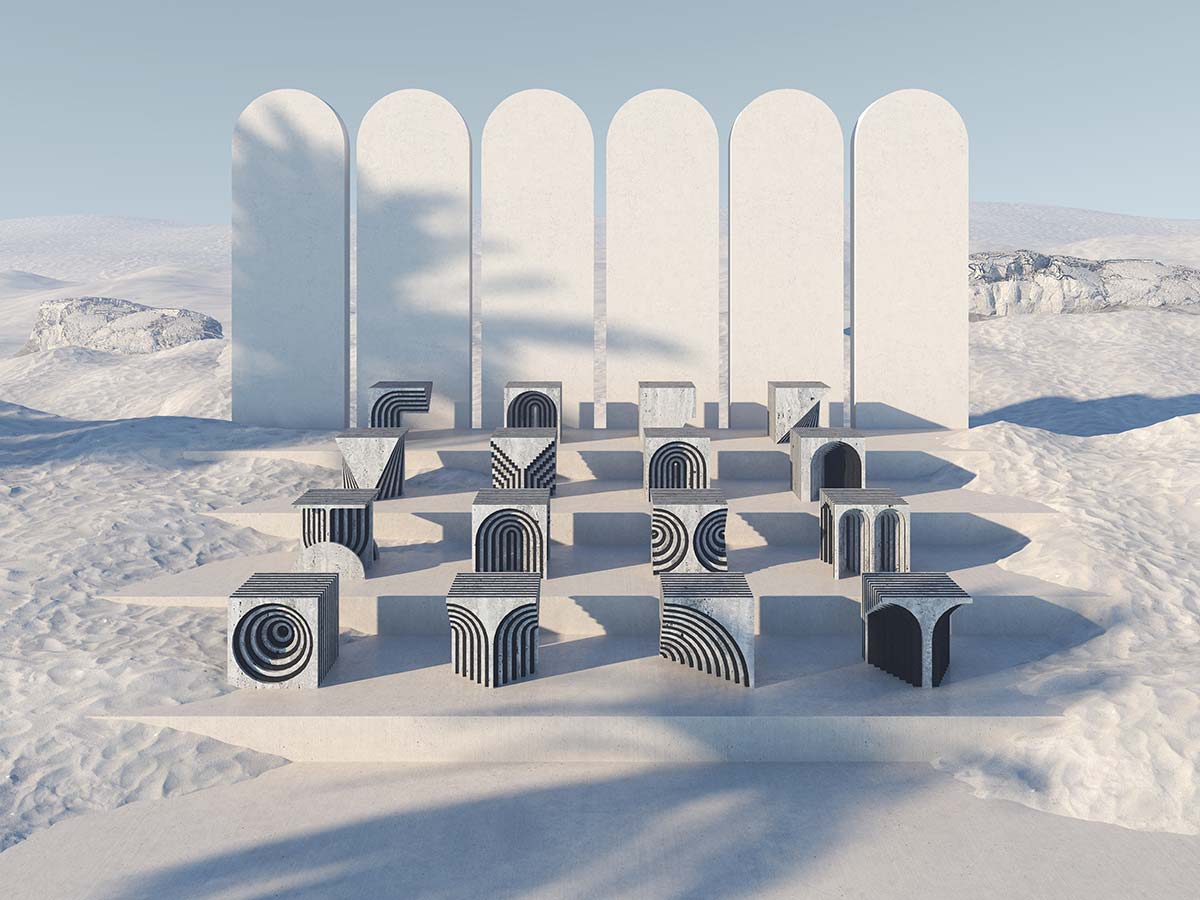
Flowing Fragments, design Richard Yasmine – Photo © Cleertudio
Designing in Lebanon often means working within limitations. Have these constraints pushed you to think differently about materials, production, or storytelling?
Yes, very often. Designing in Lebanon almost always means working within limitations. Many times we begin a project and suddenly the situation changes. Flights get cancelled, certain materials become impossible to import, or an artisan has to close his workshop because his region has become unsafe. These disruptions happen more often than people might imagine. When that happens, we have to move quickly to a plan B, sometimes even a plan C. In fact, this is happening again with my latest collection for Milan Design Week 2026. We have become used to this kind of reality. I sometimes feel that very few designers around the world have to constantly adapt in this way, jumping from one solution to another while trying to keep the integrity of the project intact. In a strange way, it creates agility. You learn to be flexible, to rethink materials and production methods, while always trying to preserve the narrative behind a piece. At the same time, I do not want to sound idealistic and say that I simply work with whatever is available locally. Sometimes I do, of course, but the reality is that Lebanon does not produce most raw materials. Many of the materials we rely on are imported, which makes the process even more fragile and dependent on many conditions.
Perhaps this ability to adapt has become one of our strengths. But after so many years of working under these conditions, it can also be exhausting. Still, it has undeniably become part of the process of designing from Lebanon.
In moments when the country goes through difficult periods, does design become a form of escape, resistance, or reflection for you?
At the end of the day, this is my job, my career. Whether the country is going through good times or difficult ones, I still have to continue working. Of course, there is passion in what I do, but there is also the reality of life, earning a living, paying bills, and carrying responsibilities toward my family and the artisans I work with. So to be completely honest, I cannot say that design becomes a form of escape during difficult periods. In many ways, it becomes the opposite. It becomes a struggle, trying to understand how to continue, how to survive, and how to keep everything moving despite the circumstances. What we do is not a necessity for many people. Design, whether interior or objects, often belongs to the realm of luxury, and in times of crisis, luxury is usually the first thing people put aside. Difficult times do not help creativity. They often hold us back. They slow things down, create uncertainty, and make every step more complicated. Yet you keep pushing forward because stopping is simply not an option.
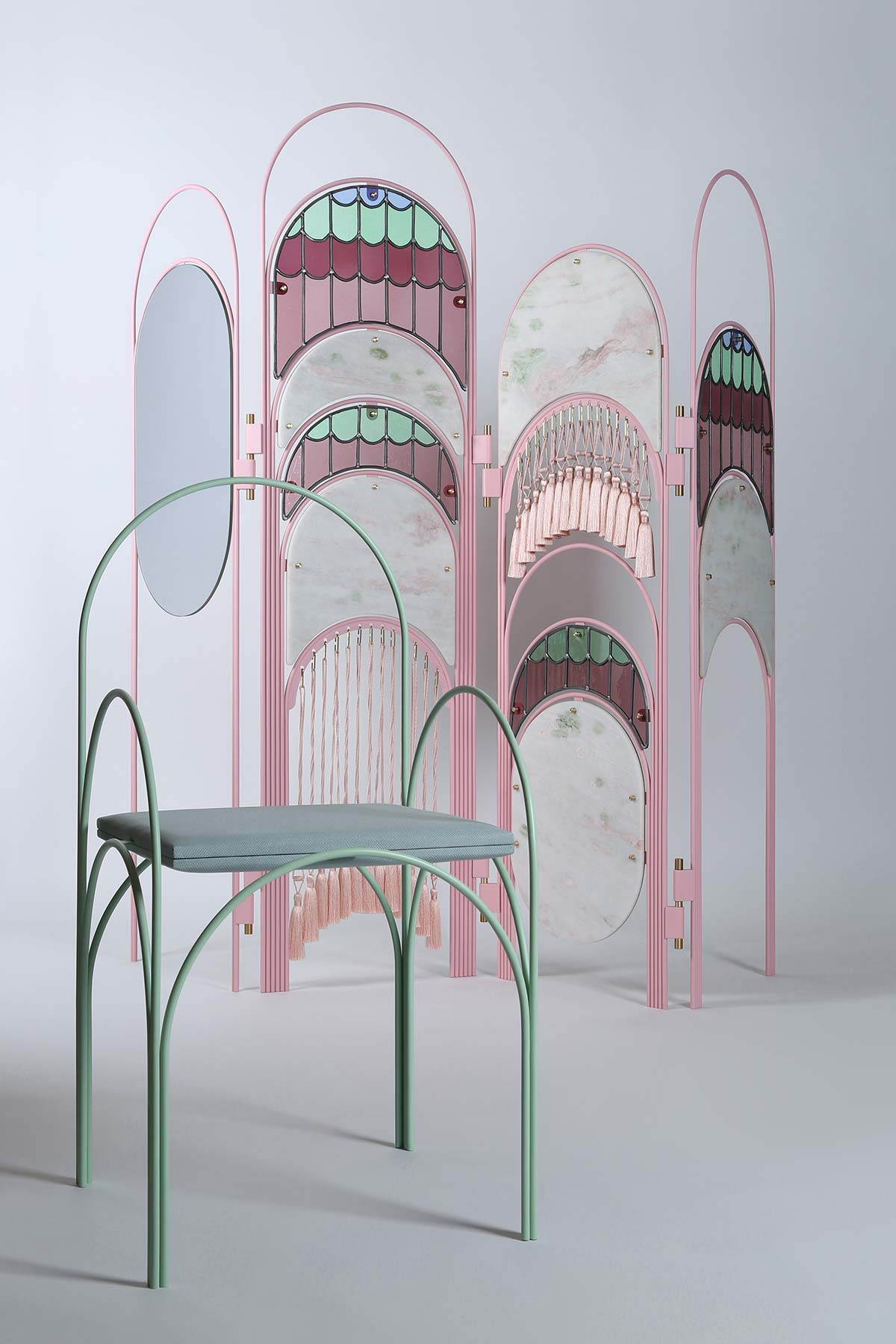
Hawa Beirut, design Richard Yasmine – Photo © Bizarrebeirut
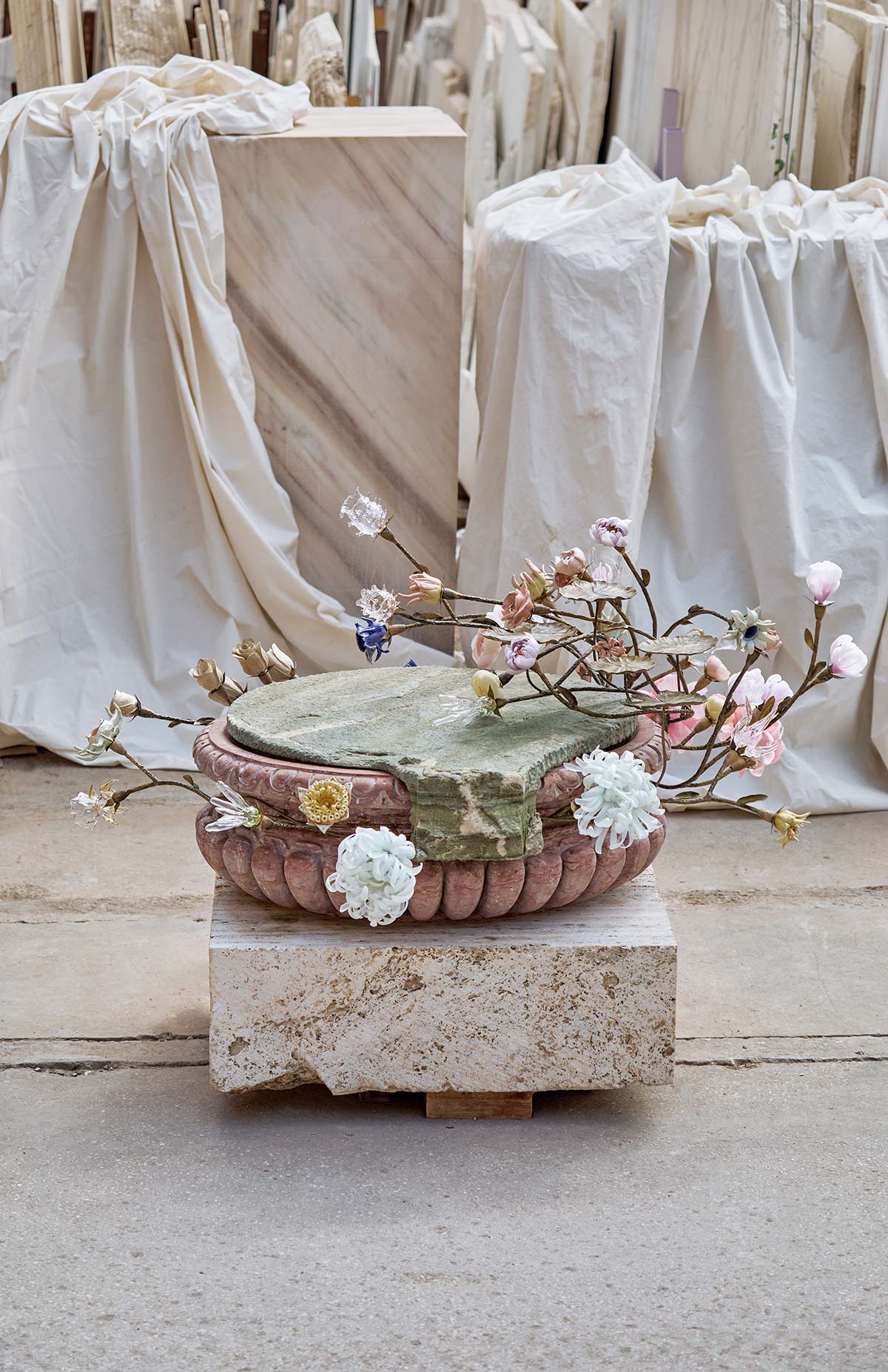
Leftover Love Letter, design Richard Yasmine – Photo © Charbel Saade & Marya Gazzaoui Alameddine
Many creatives in the region continue producing work despite uncertainty. What does it mean to remain creative when the environment around you can feel fragile or unpredictable?
Life must go on. As I mentioned before, creatives also need to work and live. This is our profession, just like being a doctor, a lawyer, or anything else. It is what we studied for and what we built our lives around. But to be honest, it is not easy to remain creative when the environment around you feels fragile or unpredictable. People sometimes romanticize this idea, as if difficulty automatically fuels creativity. Maybe that is true when it happens once in a lifetime, when it is a temporary challenge. For us in Lebanon, however, it is something much more constant. It is not occasional, it is an ongoing reality. And when uncertainty becomes part of everyday life, it does not necessarily inspire you. Often, it simply becomes another struggle you have to navigate while trying to continue doing your work.
Has living through political and social turbulence influenced the themes or emotions behind your work?
Even though my work sometimes touches on sensitive subjects in subtle ways, such as taboos, racism, religion and spirituality, war, equality, or sexuality, I always try to avoid politics. It is simply not my terrain, and I prefer to keep my political opinions to myself.
Of course, living through political and social turbulence inevitably affects me emotionally. It is impossible not to feel it. But that does not necessarily mean it directly defines the themes of my work. The influence is often more emotional than conceptual. The environment shapes the way you feel, and the intensity behind certain gestures or narratives, but the themes themselves usually come from a broader reflection on human experience rather than politics itself.
Do you feel a responsibility, as a Lebanese designer, to carry part of the country’s narrative through your objects?
I think this kind of responsibility comes naturally to any artist or designer. It is not something you force. When you are deeply connected to your country, its culture, and its heritage, it inevitably finds its way into your work. Especially when you present your work on international platforms, you feel a certain desire to convey something about where you come from. At the same time, I do not want to sound idealistic. We often say that we work with artisans to preserve their craft, and of course that is partly true. But the reality is that we also need them. Without their hands and knowledge, many of the pieces we create simply could not exist. Our production depends on them, because we do not have many other options. In that sense, it becomes a mutual relationship, a win-win situation. As for the narrative of the country, sometimes my work carries it quite directly. Other times, it carries the opposite, the things that are not usually spoken about, the contradictions, or even the taboos within our society. In the end, I think objects can become a quiet way of expressing these layers, whether visible or hidden.
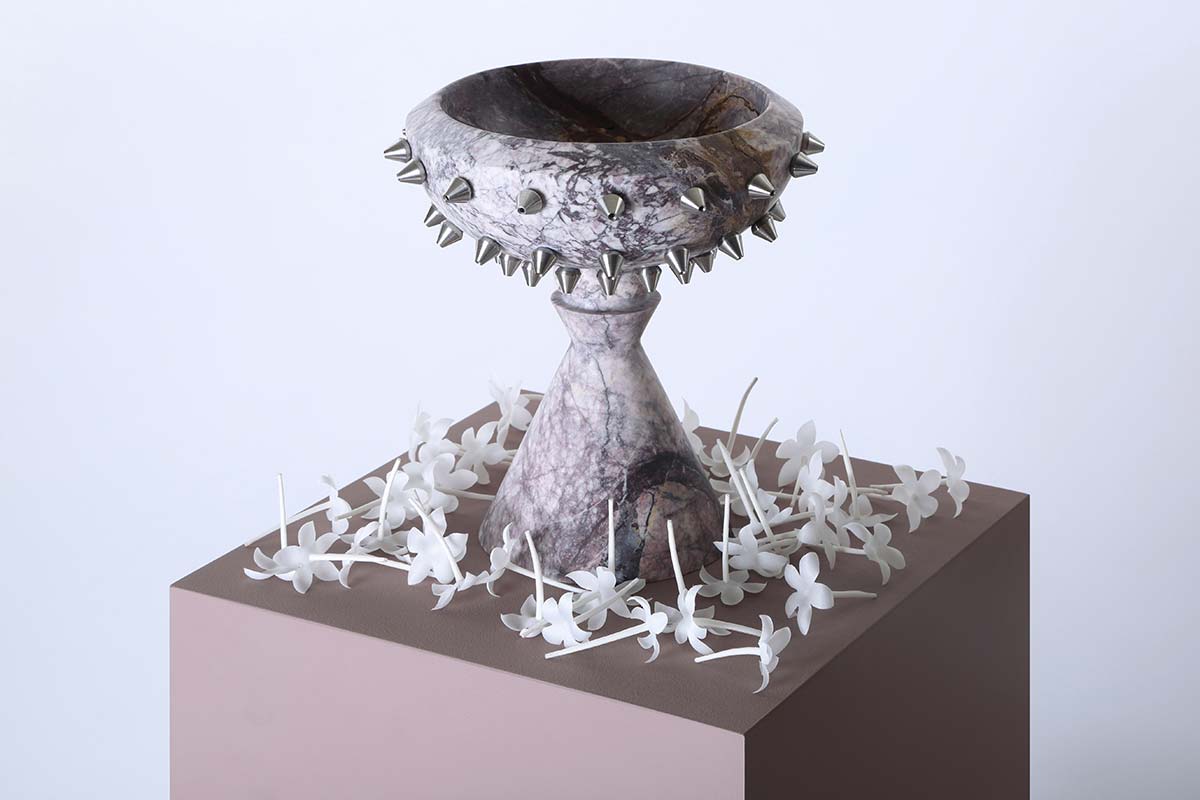
Divine Decadence, design Richard Yasmine – Photo © Bizarrebeirut
Your designs often feel deeply symbolic. Where do your ideas usually begin: with a story, a cultural reference, or the form itself?
For me, ideas almost always begin with a narrative. That is what intrigues me most, a concept that can connect to cultural references, taboos, philosophical reflections, or certain human emotions. The story is usually the starting point. After that, I begin thinking about the craft I want to incorporate to express the concept. Craft plays a very important role in translating the narrative into a physical object. Only then do I start sketching. And even when it seems like I begin with a sketch, it is usually because a narrative is already moving in my mind. The sketchbook simply becomes the place where I start interpreting that story visually.
What everyday moments or observations tend to spark a new design for you?
Inspiration can come from very simple everyday moments. Sometimes it is a conversation, a memory, a gesture, or something I notice while walking in the street. Living in a city like Beirut, where everything is layered with history, contradictions, and strong emotions, there are constantly small details that catch my attention. It can also come from art, philosophy, literature, or certain cultural references that stay in my mind and slowly transform into ideas. Sometimes even a material itself sparks something, a piece of marble, a texture, or a craft technique that suddenly opens a new direction.
Most of the time, these inspirations accumulate quietly in my mind before taking the form of a project. Then, at a certain moment, they come together and begin forming a narrative that I feel the need to translate into an object.
Your pieces are immediately recognizable. What do you think defines the essence of a Richard Yasmine object?
I think what defines the essence of a Richard Yasmine object is, once again, the narrative behind it. For me, objects are carriers of meaning, with an emotional layer that gives each piece its identity, something I have often heard reflected by audiences as well. My work often plays with contrasts: poetry and provocation, delicacy and strength, sometimes even beauty and discomfort. I am interested in creating objects that invite people to pause, question, or feel something beyond the purely aesthetic. Craft is also an essential part of my language. The dialogue with artisans and traditional techniques allows the pieces to carry a certain human presence, something that cannot be fully replaced by industrial processes.
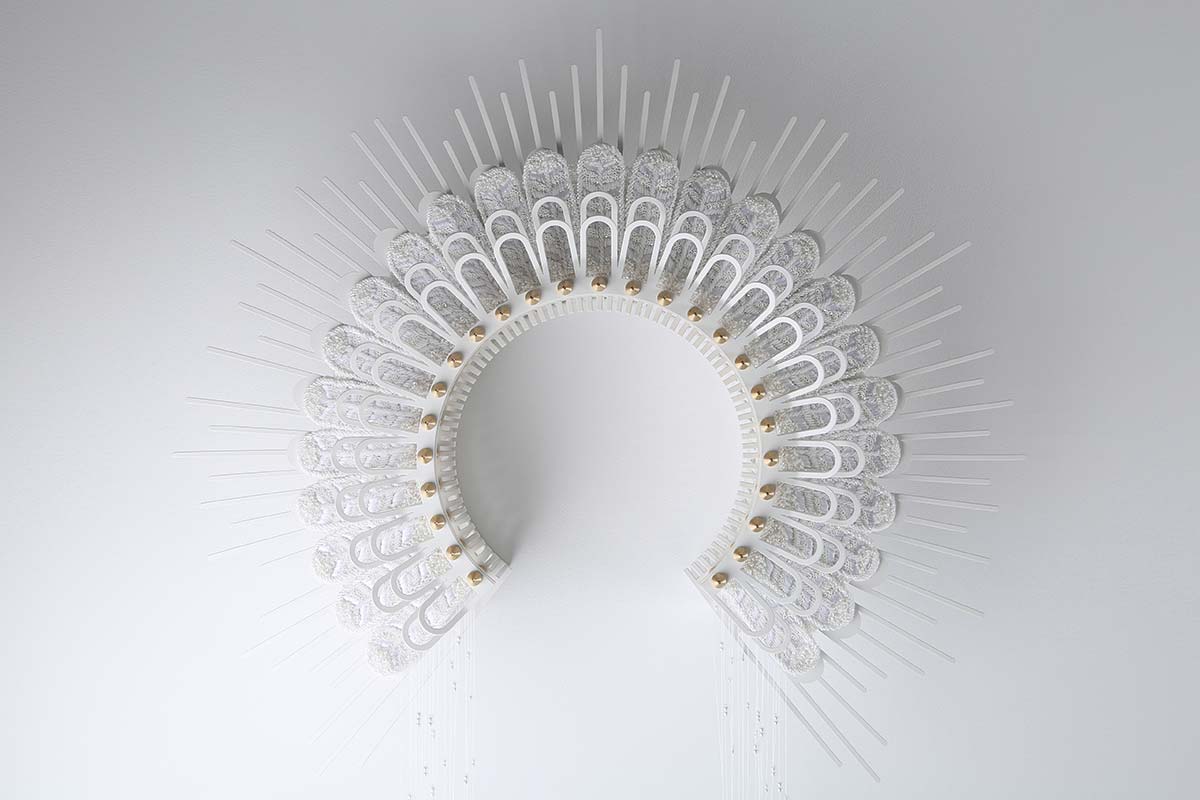
The Cure, design Richard Yasmine – Photo © Bizarrebeirut
Many of your works blur the line between sculpture and functional design. How do you balance artistic expression with usability?
My work tends to lean more toward art, so the object usually begins as a sculptural presence. But at the same time, I never forget that the piece has to live in someone’s space and interact with the human body. I try to keep a dialogue between these two dimensions. The artistic expression gives the piece its identity and emotional depth, while functionality keeps it grounded in everyday life. Sometimes the object leans more toward the sculptural side, but usability is always there, somewhere in the background.
I like this in-between territory, where a piece is not purely sculpture and not purely design, but something that carries both qualities at the same time.
Out of all the collections you have created, which one feels closest to you personally and why?
I could say that all my collections are like my children, which is probably a very Lebanese way of answering this question, but of course that would also be a cliché.
If I had to choose one that feels particularly close to me, I would say AFTER AGO. The collection was created right after the Beirut port explosion in 2020, so it carries a very strong emotional context for me. At the same time, it became one of my most recognized works. It went viral worldwide and continues to circulate widely. You can even see how it inspired many others, sometimes even big brands. People really connected with it, and it remains one of our top-selling collections. So in a way, it is a concept that holds both a personal story and a life of its own out in the world.
Was there a specific piece or project that challenged you the most creatively or emotionally?
In terms of production, honestly, almost all of them are challenging. When I draw something, I sometimes think, “Finally, this will be simple to produce,” but once we start prototyping, it often becomes much more complicated than expected. I have almost never had the chance to rest during the production of a first prototype. There is always a technical problem to solve, an adjustment to make, or something unexpected that appears along the way. In a way, that becomes an emotional challenge in itself. At the same time, it is part of our career as designers. The difficulties are also what make the final result meaningful.
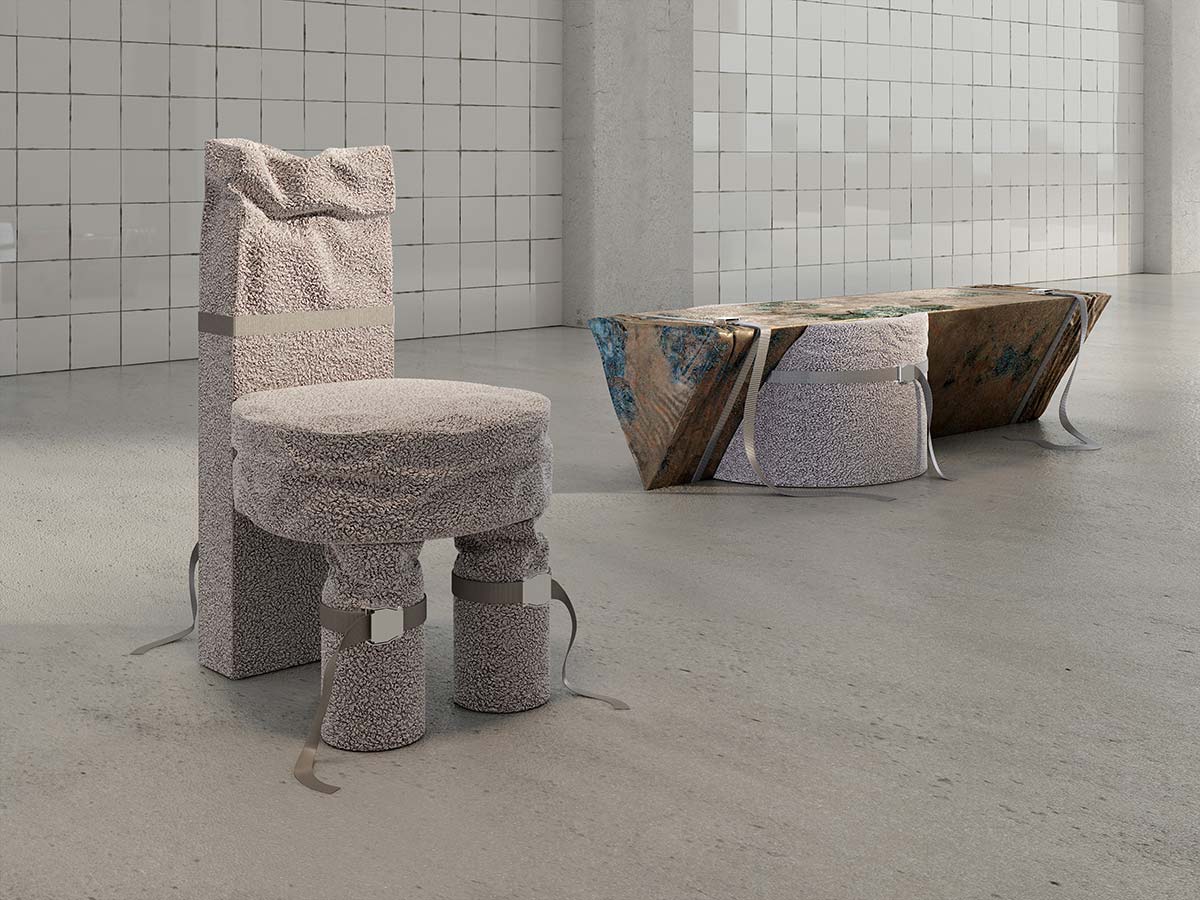
Size Matters, design Richard Yasmine – Photo © Cleertudio
Walk us through your process. What happens between the first idea and the final piece?
This is where both the fun and the anxiety happen, the interesting moments as well as the struggles. The process is never easy. As a designer, I may not always show everything behind the scenes, but the real work happens in the process itself.
There are many phases of adjustment, trials, and sometimes surprises. When you work with handmade processes, the object can change slightly during production, and I actually enjoy that part of the journey because it keeps the piece alive and evolving.
When the piece is finally completed, it almost becomes independent from me. It starts its own life, interacting with people and spaces in ways I cannot fully control.
I also believe audiences should respect the final outcome of a designer’s work, whether it is something they personally like or not. Behind what they see are countless hours of work and many hands involved. It is a process that should never be taken for granted.
How important is craftsmanship in your work, especially in a time when many objects are mass produced?
Craftsmanship is really the foundation of the objects I design. Without craftsmen and artisans, our design scene in Lebanon simply would not exist. Much of what we do here is deeply rooted in craft traditions. Today, I believe craftsmanship is becoming more than a trend, it is almost a necessity. You can see this even in major international brands, including luxury houses, which are increasingly reconnecting with handmade processes and artisanal knowledge. Personally, I have great respect for mass production, but it is simply not my field and not what I am looking for in my work. What interests me is the human touch, the dialogue with the artisan, and the unique character that comes from making something by hand.
What are you currently working on, and what ideas or themes are shaping this new chapter of your practice?
At the moment, one of my latest ongoing works is Vessels of the Intangible, which I will present at Milan Design Week 2026 as part of 5VIE. The project explores the senses and the invisible forces that shape our perception before thought even begins. The objects themselves are tangible, but what they awaken is much less visible: sensations, emotions, and subtle perceptions. I would not say this represents a completely new chapter in my practice. Rather, it is part of an ongoing exploration that moves between different themes while following the same thread of thinking. My work often shifts in shape, yet the underlying intention remains the same: exploring the emotional and symbolic dimensions of objects.
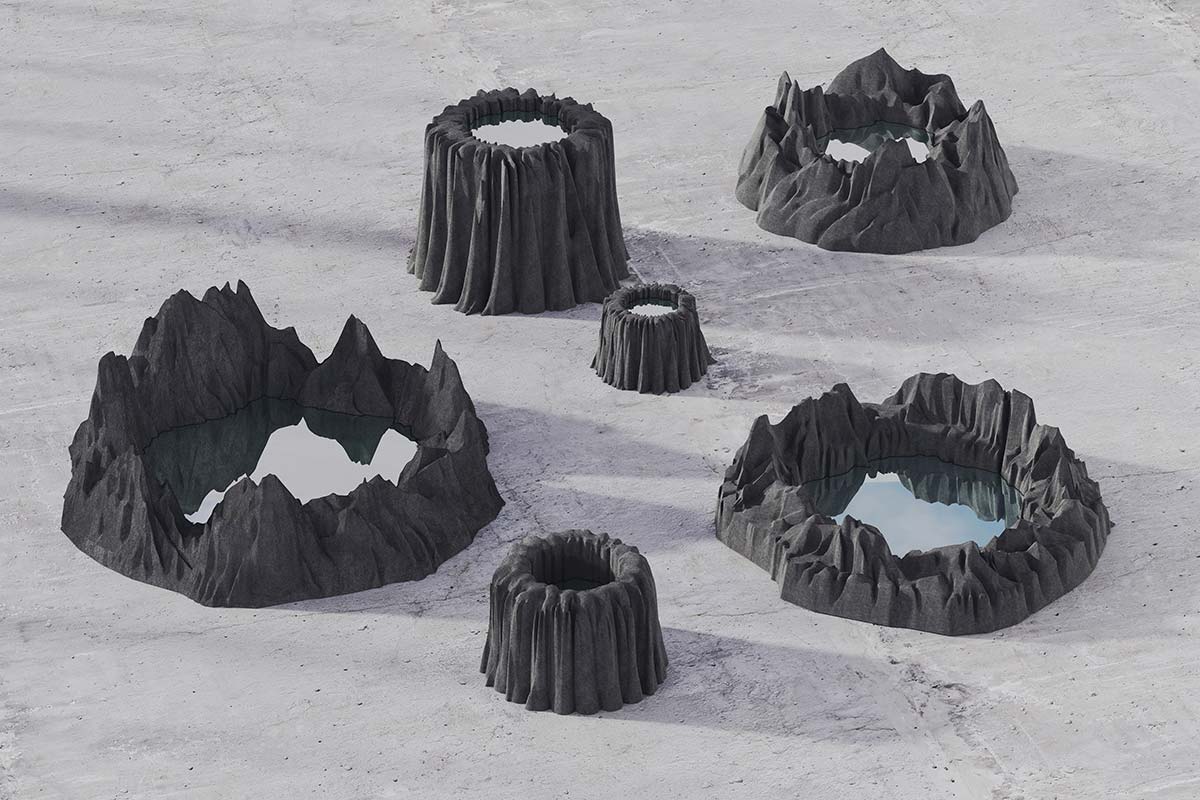
Silent Hollows, design Richard Yasmine – Photo © Cleertudio
Are there new materials, collaborations, or directions you are excited to explore?
I usually work with traditional materials, often depending on the craft or technique I want to explore. I enjoy working with materials that already carry memory, marble, glass, wood, metal, leather, and others, because they give objects a certain emotional presence. I am also involved in several collaborations at the moment, but those will reveal themselves at the right time. For now, what connects everything I am working on is a continuous curiosity about meaning, perception, and the narratives that objects can carry.
When people encounter your work for the first time, what do you hope they feel or question?
Ultimately, what matters most to me is that the object creates an emotional reaction, whether fascination, curiosity, or even a little discomfort. When an object makes you feel something or question something, it becomes more than just design, it becomes an experience. So if someone asks themselves, “Why is it like this?” or “What is the story behind it?” then I feel the object has already started a dialogue.
Looking ahead, what kind of legacy would you like your work to leave within the design world and in Lebanon?
I do not really think about legacy as something monumental. What matters more to me is that my work leaves small traces, traces of emotion, memory, maybe even a little nostalgia. I also hope that my work shines a light on the value of artisans and handmade processes. For me, these traditions are an essential part of our cultural identity. It is important to keep them alive, but also to let them evolve and find new expressions within contemporary design. On a broader level, I would love for my work to encourage younger generations to trust their own stories and perspectives, without feeling the need to imitate others. Design becomes much more interesting when it reflects who you really are. In the end, if my objects remain as small witnesses of a certain moment, a certain culture, and a poetic way of looking at design, then I think they will continue telling their own stories long after me.