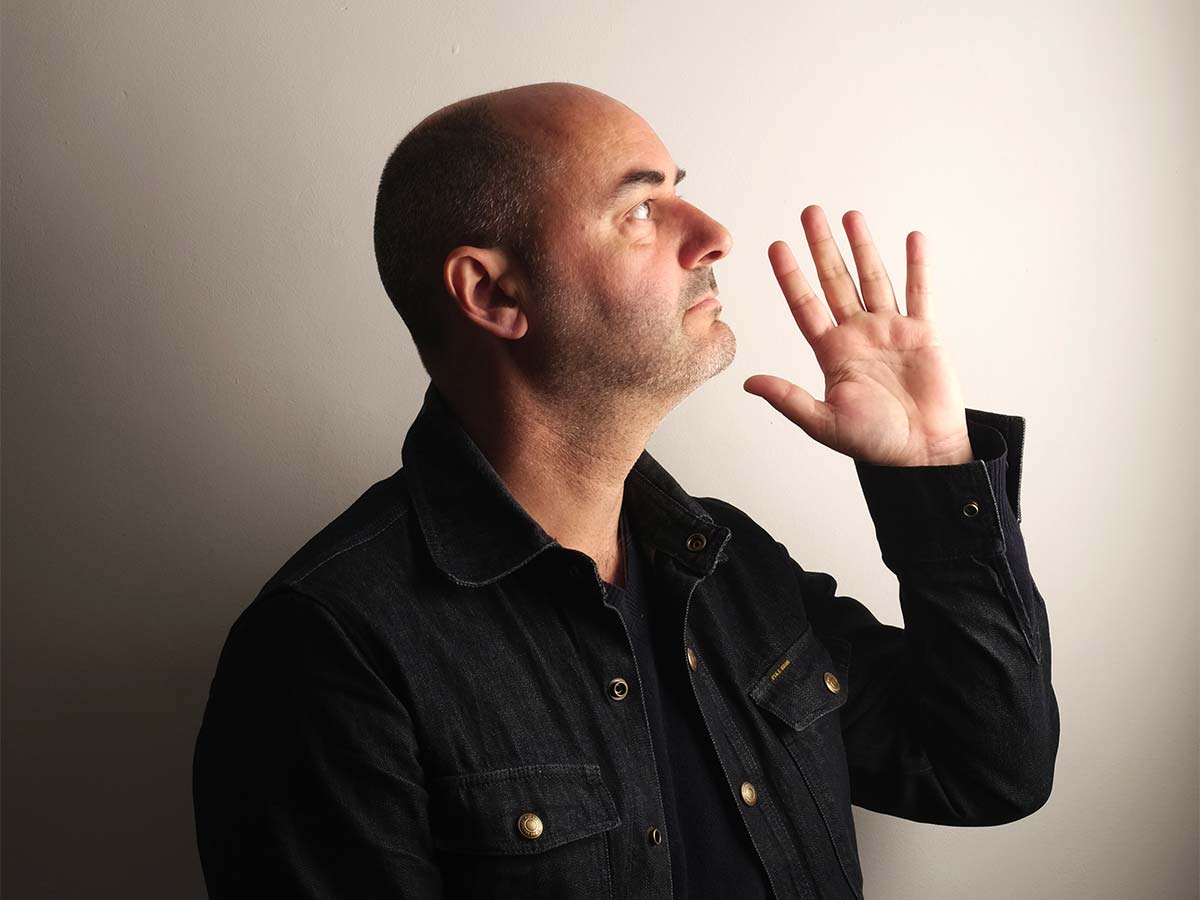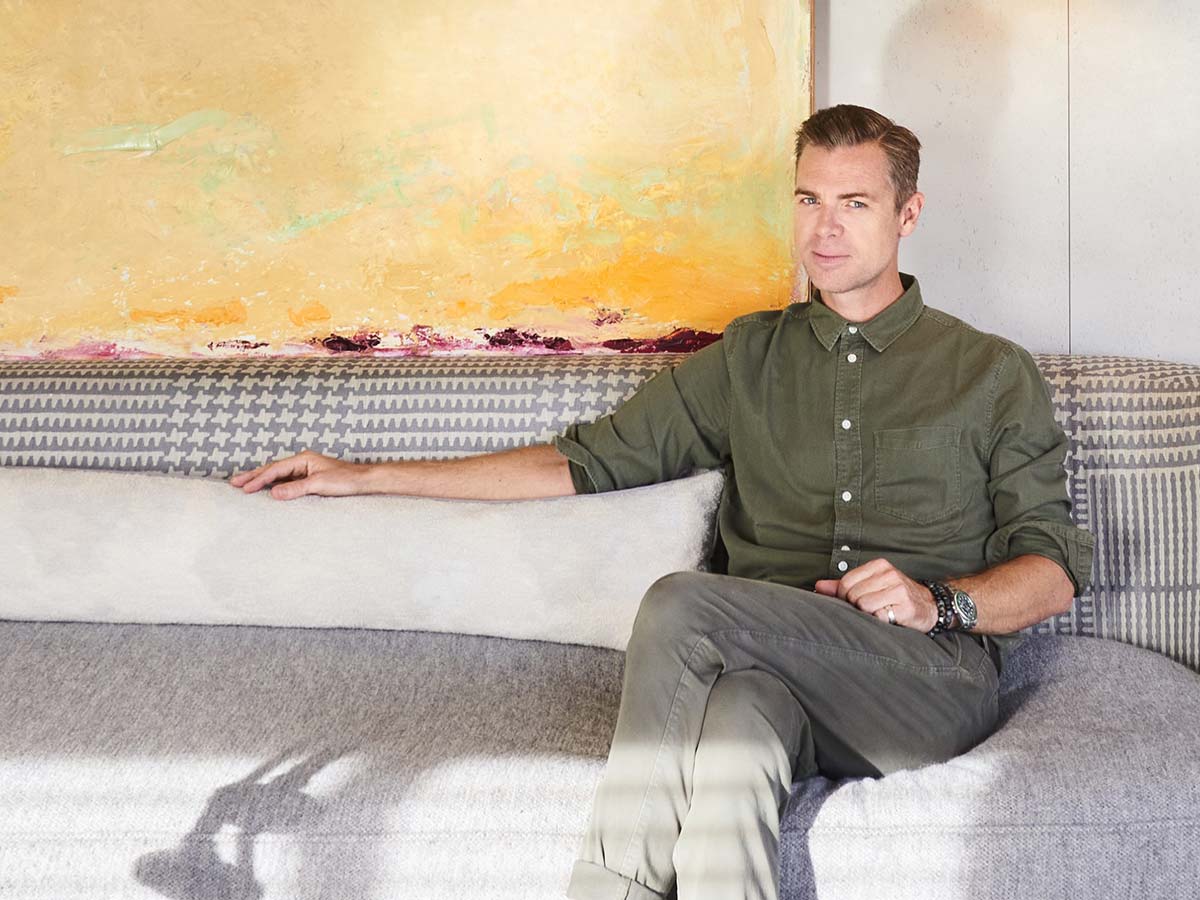
Jean-Louis Deniot is a Paris-born interior designer known for his global reach, his refined yet eclectic “French with a twist” aesthetic, and an approach that blends rhythm, storytelling and contextual sensitivity. For over 25 years, he has run his studio together with his sister Virginie.
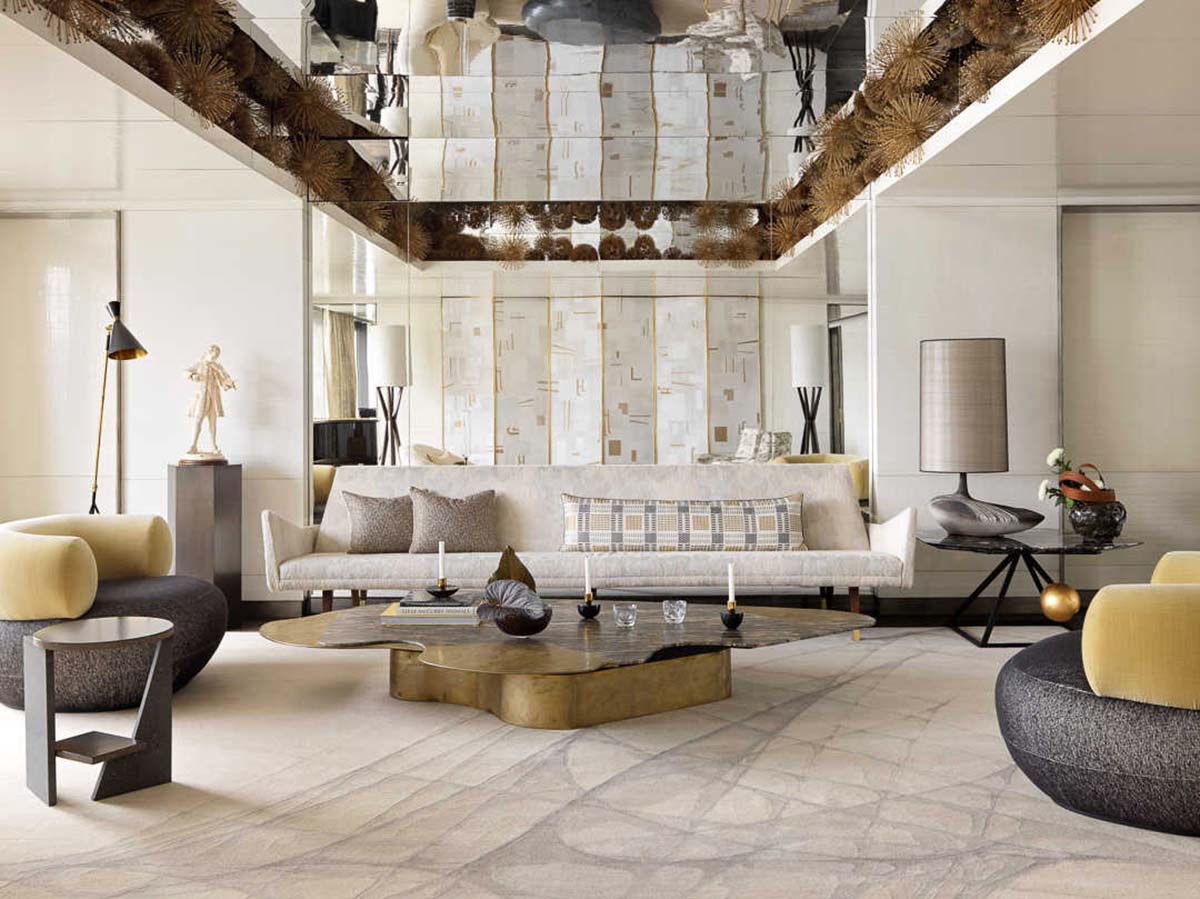
When did you realize your strong interest in architecture? What’s your background?
When I was a kid, I was doing miniature interiors made from scraps — full-on small-scale interiors in a box. I painted and drew constantly because my aunt gave me art supplies. When my art teacher told my parents I could make a living out of those passions, it was a discovery: I had been raised to think work was labour, sacrifice, not something enjoyable. Realizing I could be paid to do something I loved was a revelation.
I focused my studies on art – I wasn’t good at anything else – then architectural school, then five years of interior architecture and product design at École Camondo. As a student I worked on artistic direction jobs to make a living. I graduated in 2000 and opened my studio right away. A dreadful internship convinced me I wasn’t made to work for anybody.
My sister joined me initially to help with administration while still in business school — and she never left. We’ve been working together for 25 years: she handles the business side, I take care of the creative. It’s been extremely comforting and allowed us to take on more projects and destinations.
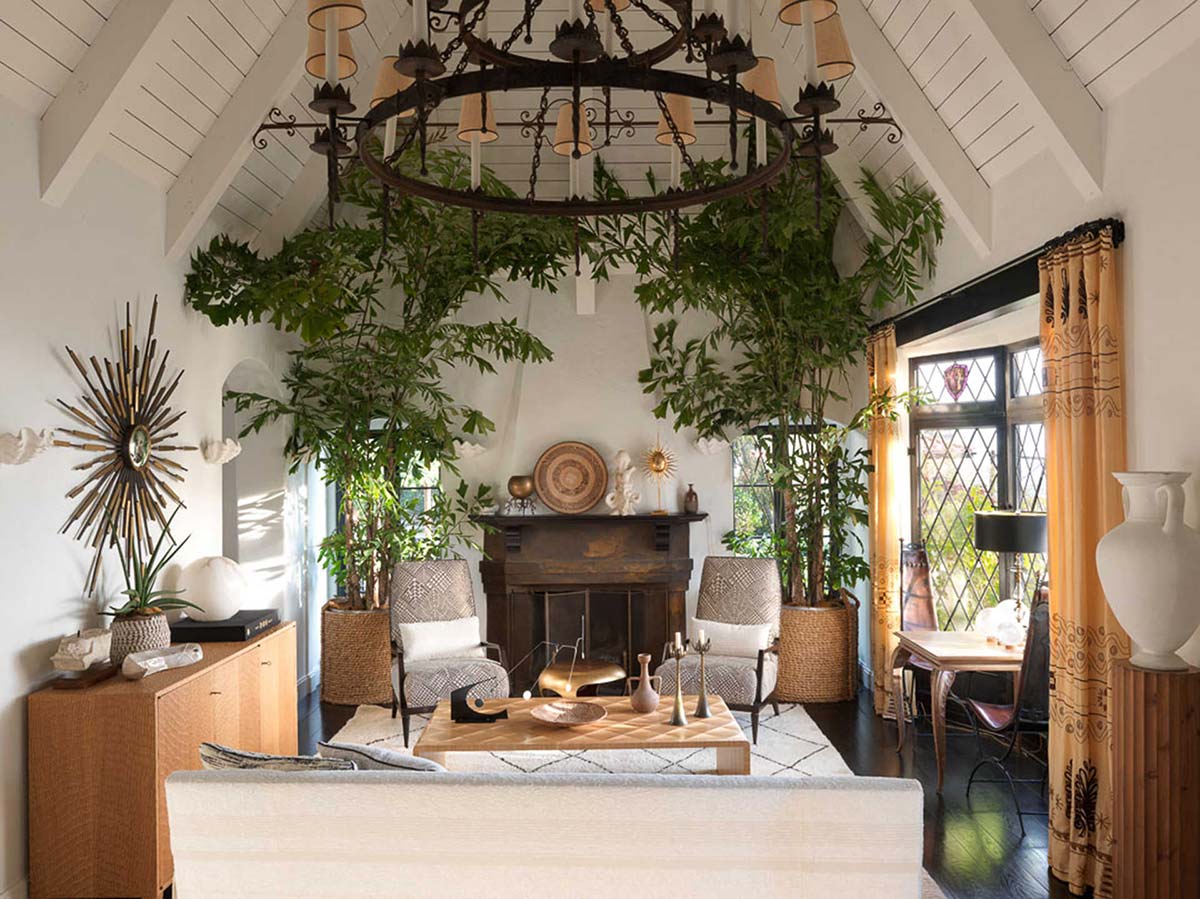
What project kicked off your career?
At first I helped real estate agents in Paris by sketching new layouts to give properties more potential. Then renovations for investment companies, and private Paris apartments for foreigners – who eventually brought me to their home countries.
The real kick-start came from a wonderful Indian couple I met in New York. They brought me to India to design a French-inspired house entirely built with Indian materials and labour. I worked quietly for four years, and when the housewarming happened, people were blown away. The publication of that house opened work outside France.
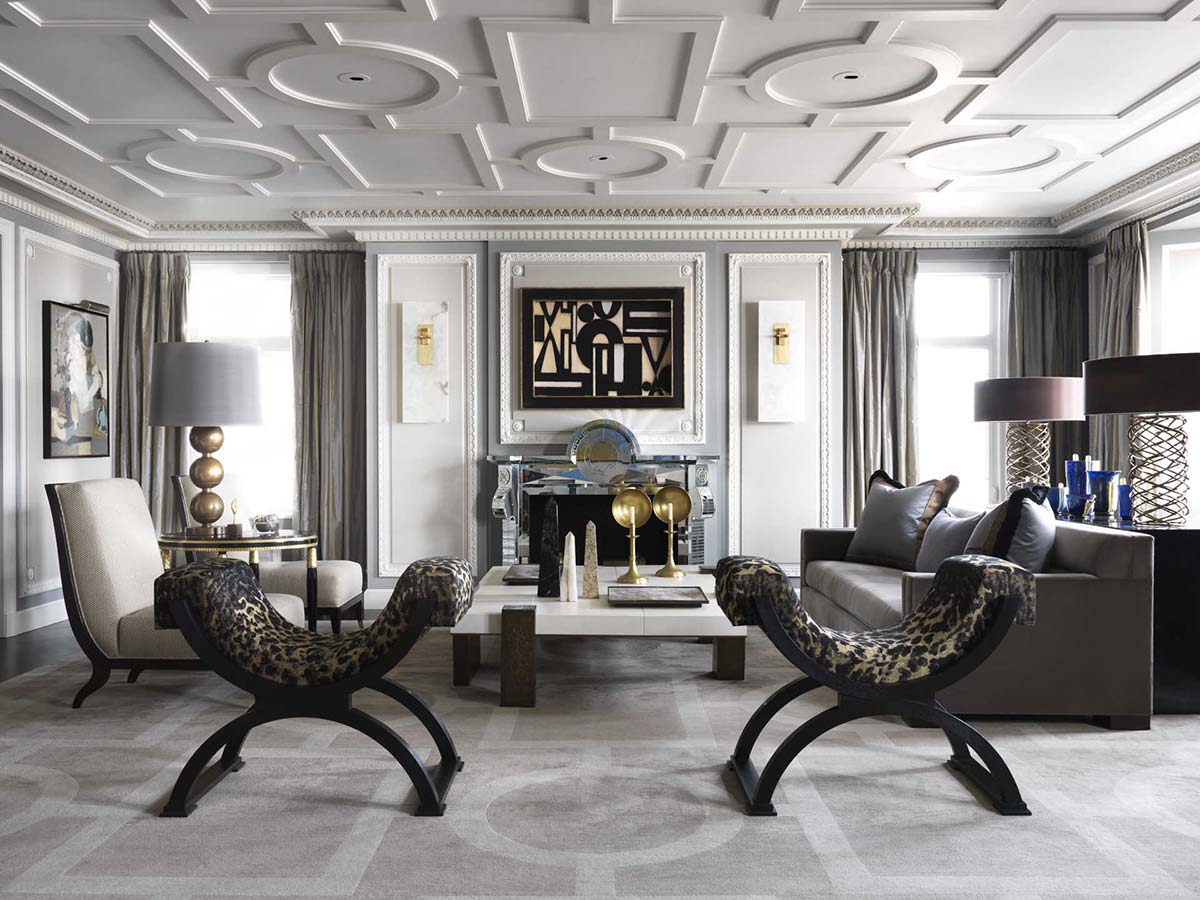
Later came developers like the Waldorf Astoria in New York: 372 residences and 5,000 sqm of amenities. Creating everything from A to Z while respecting the Waldorf DNA showed we could handle landmark-scale projects, opening doors to Miami, Palm Beach, Bangkok, China, Hong Kong, London – and back to Paris.
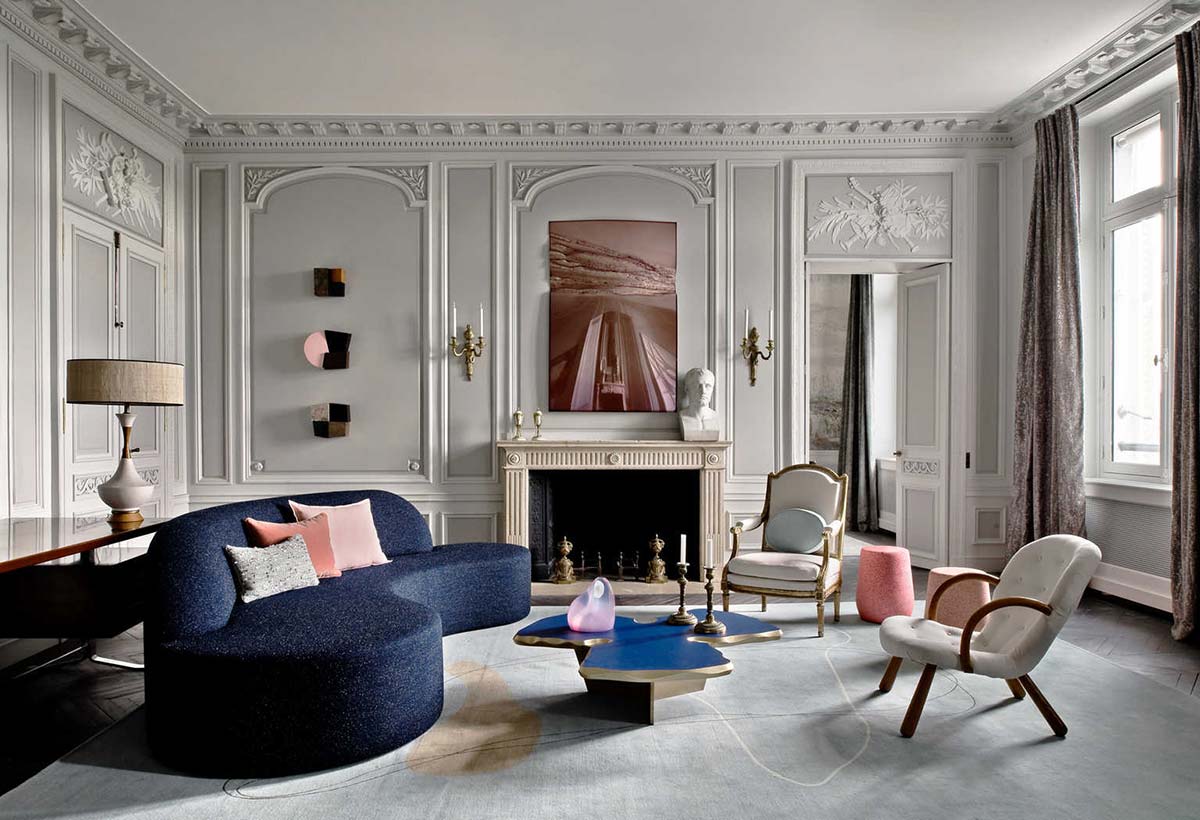
Did you live in India for a while?
No. From Paris, New Delhi and New York are the same distance. We did detailed drawings and full-scale samples on site; once approved, everything was manufactured locally.
You work all over the world. Is there a place that inspires you most?
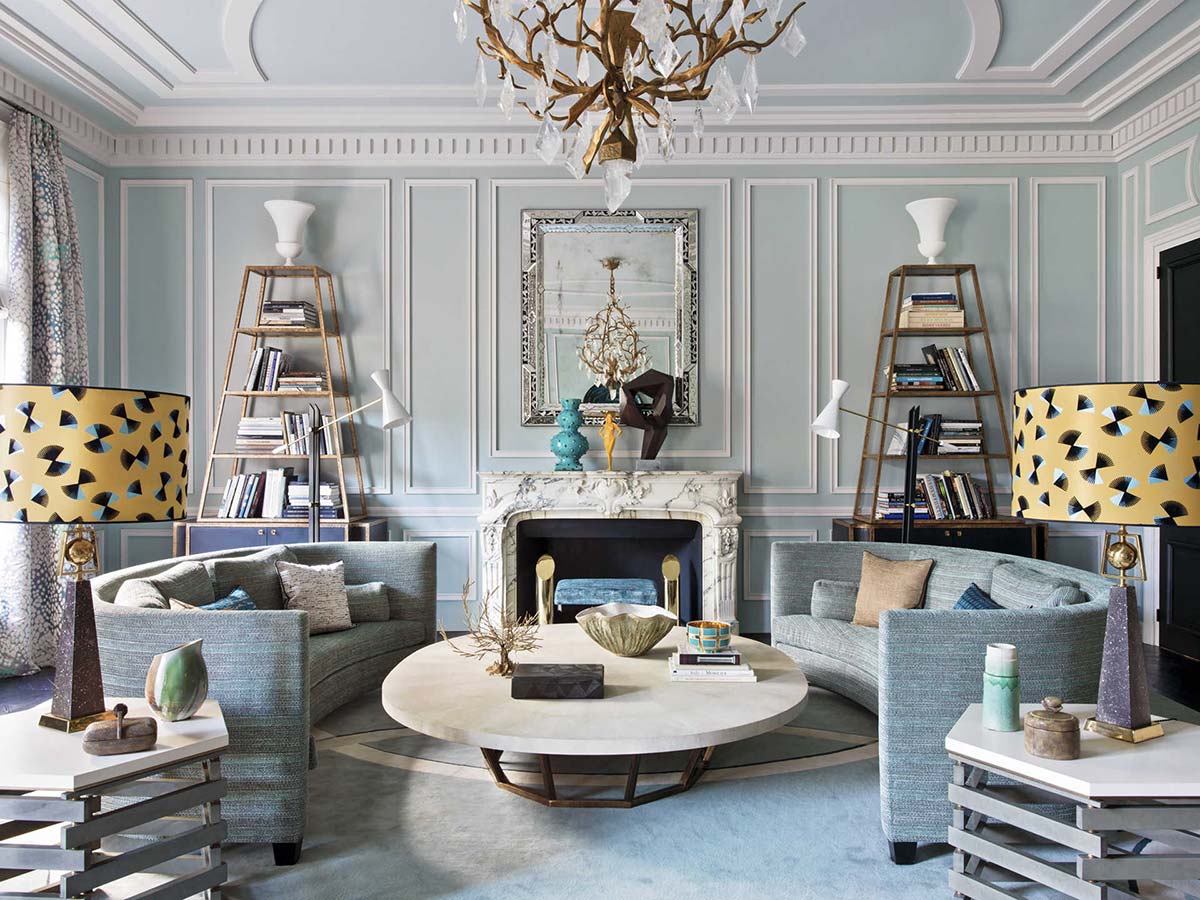
I appreciate working everywhere. I love embracing colors and cultures – each site and client is unique. Good design must be contextual: it must respect the client’s country and meet guests’ expectations. I mix past (grounding), present (how families live), and future (optimism). By blending these three you get something timeless – blurred between past, present and future.
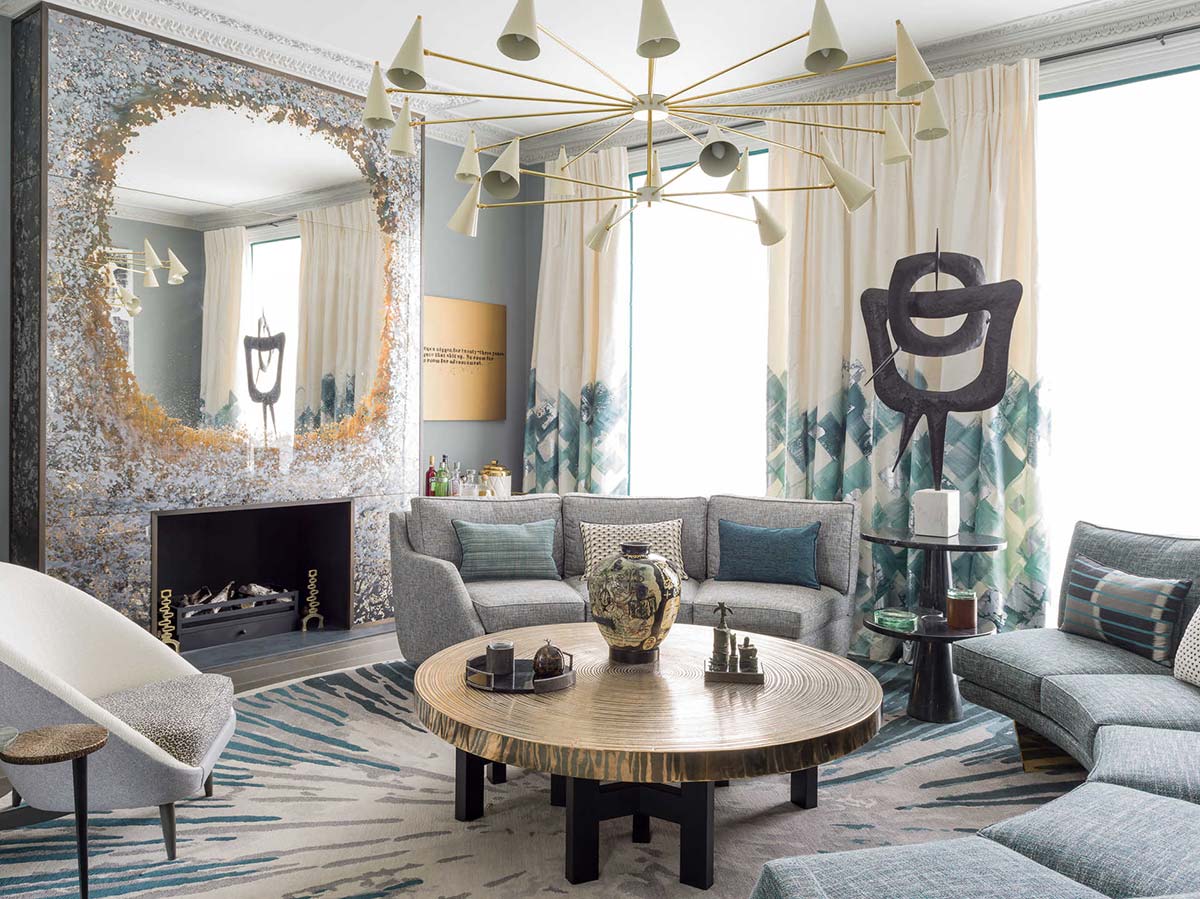
What is the starting point of a project for you?
The country, the light, where the sun sets – these define where rooms should be. Then the dialogue between interior and exterior, pulling one into the other. And the local history: in Dubai, for instance, we reference Arabic elements, climate, natural landscape.
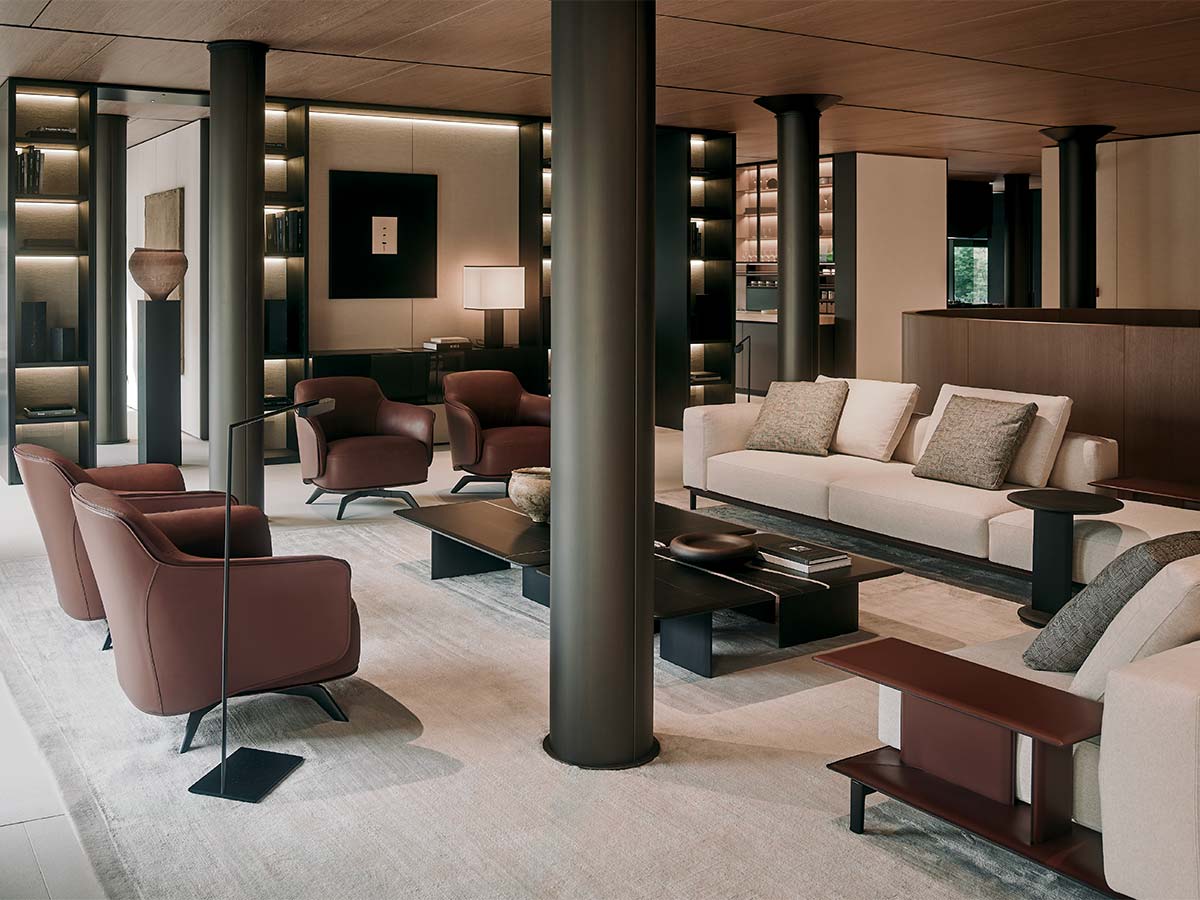
Then I mix these with French influences. French decorative arts have always been inspired by foreign cultures – Turkish, Chinese, Ottoman, Arabic – we’ve always had a taste for exoticism. I recreate this fusion with local flavor and a French rhythm: a progression from room to room – the entrance introduces, then each salon adds a chapter, culminating in the dining room where festivity and generosity peak. It’s a lifestyle coming seamlessly together.
Is this idea of rhythm and crescendo a French approach to design?
I think so. There is normally a progression in richness: an introduction, then chapters, then a clear, enjoyable conclusion.
Your design dictionary: passions, masters, references?
My masters are those who created great interiors with risk, strong opinions, no fear of the unknown, curiosity and respect for each country – the opposite of doing the same thing everywhere. Names? Mongiardino, Pinto, François Catroux, David Collins. And Italy: Milan, Rome, Naples… and Pompeii! They had the nicest lifestyle ever, over 2,000 years ago – they understood everything before everyone else.
Edison said success is 1% inspiration, 99% perspiration. Do you agree?
Totally. What matters is the result, not how you get there. Compromises are constant. Often your first idea isn’t the best; being pushed leads to better solutions. You must stay open-minded – if you block yourself, you go nowhere. Flexibility, rethinking and revising are essential.
Is there a field you haven’t explored but would love to?
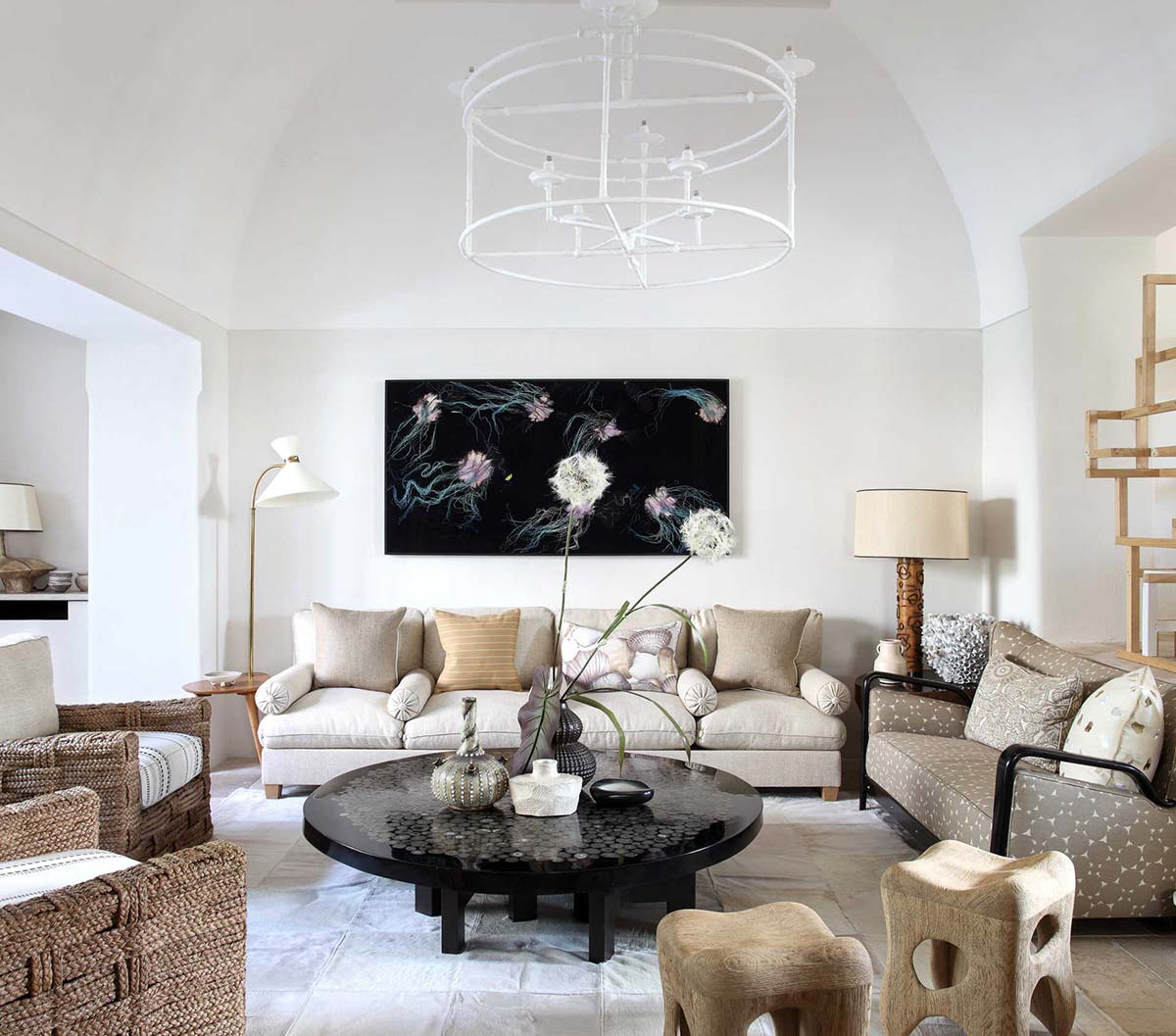
Adobe and Troglodyte architecture: built-in spaces, sunken living rooms, plaster shelves – no removable furnishings. Permanent spaces where the original point of view is always readable. And life on a “main switch”: total freedom, nothing to move around.
What are you working on now?
A residential tower in Palm Beach with adobe vibes; private houses in Hong Kong, Bangkok, Delhi and Chandigarh; a large house in Qatar; developments and private homes in Dubai; Paris apartments after years of very little work in France; homes and a hotel in London; a New York townhouse; the finishing stages of the Waldorf; new projects in Florida.
How many projects can you handle at once?
Hard to say — they’re all at different stages: some two years, some ten. But never enough! I handle “too much” better than “not enough”. I trust spontaneous design: when you don’t overwork things, you keep the essence. I love being busy – it’s my passion. Fun, fun and freedom: fun comes with the freedom to express yourself.