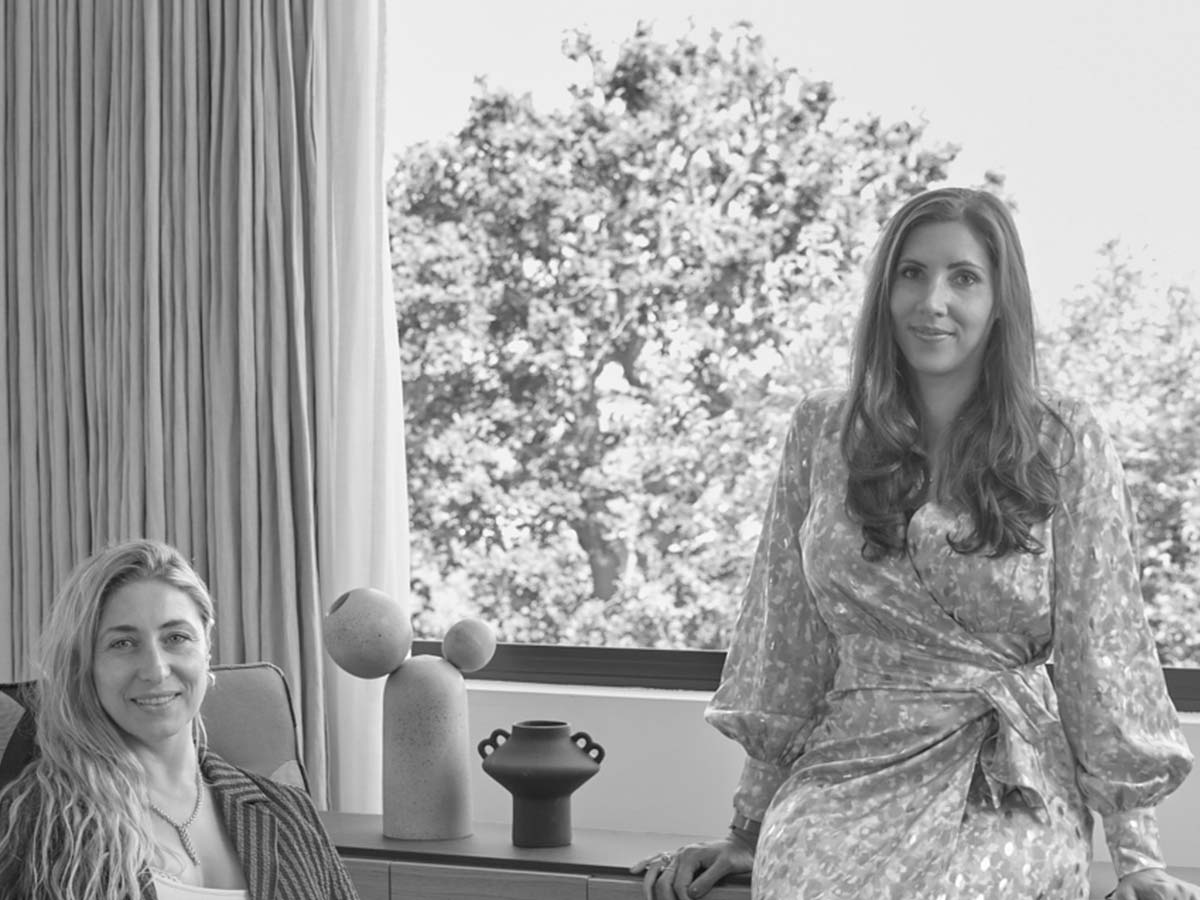
«Owl Design was founded on the belief that interiors have the power to shape and elevate daily life» says Sophie van Winden, who founded the studio in 2014 together with Simone Gordon. «Our philosophy is to create uplifting spaces that leave a lasting, positive impact on the people who inhabit them. We balance form and function, giving spaces room to breathe so they not only work seamlessly but also allow thoughtful design details to shine. Inspired by nature and craftsmanship, our work often explores fresh colour combinations, organic forms, graphic patterns, and natural materials—elements that come together to create interiors that instinctively feel good».
Which main sectors does your studio primarily operate in? Can you describe a typical or “signature” project that exemplifies your specialization?
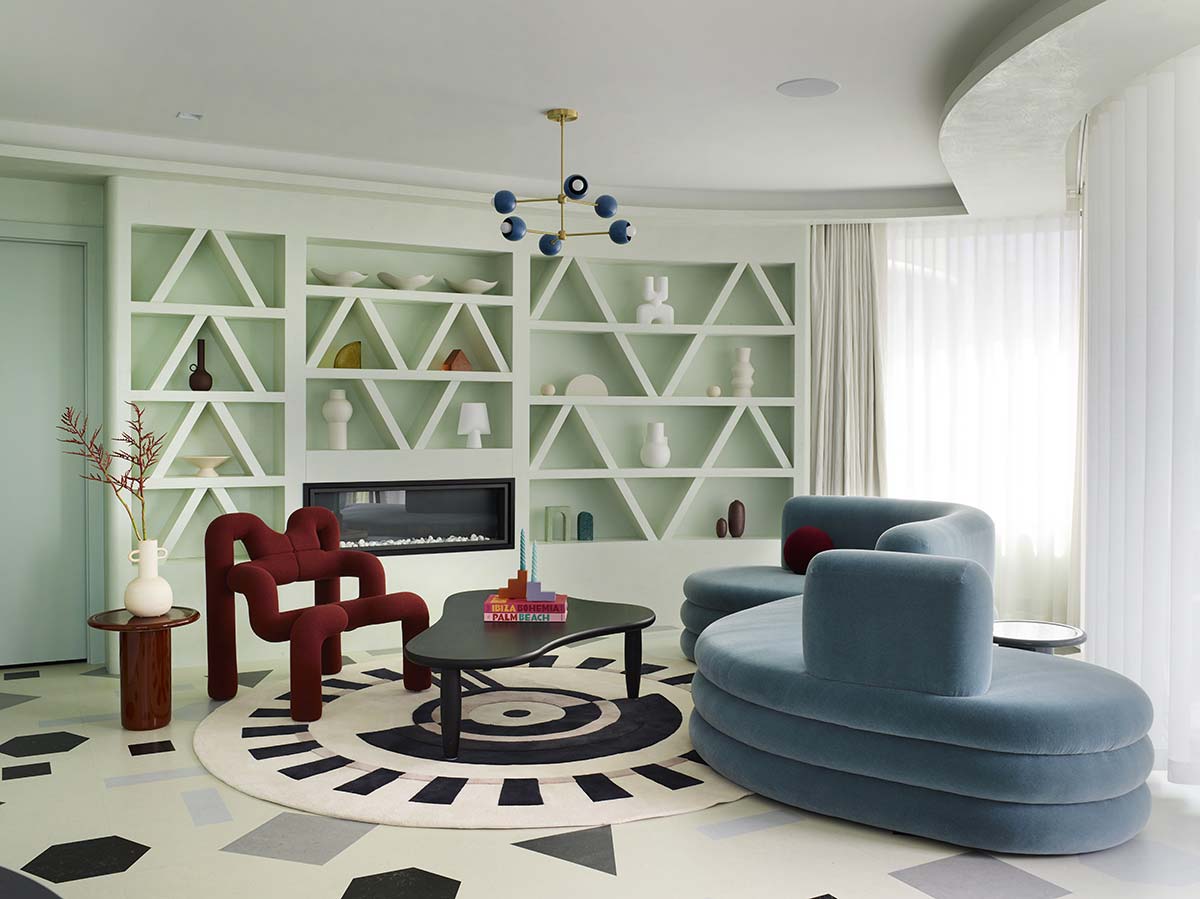
Our work is primarily within the residential sector, though we also collaborate on hospitality and commercial projects when the right opportunity arises. Clients come to us for spaces that are deeply personal—homes or environments that function beautifully while also injecting joy, individuality, and a sense of playfulness into everyday life. A good example is our Central London Apartment project, where we were tasked with designing an interior that not only shines brighter that the spectacular views, but also provides a welcoming space for our client to unwind and entertain. It perfectly demonstrates our ability to balance functionality with personality.
Regarding furnishings, do you tend to work with selected British or Italian companies, or is your choice driven by the nature of each project?
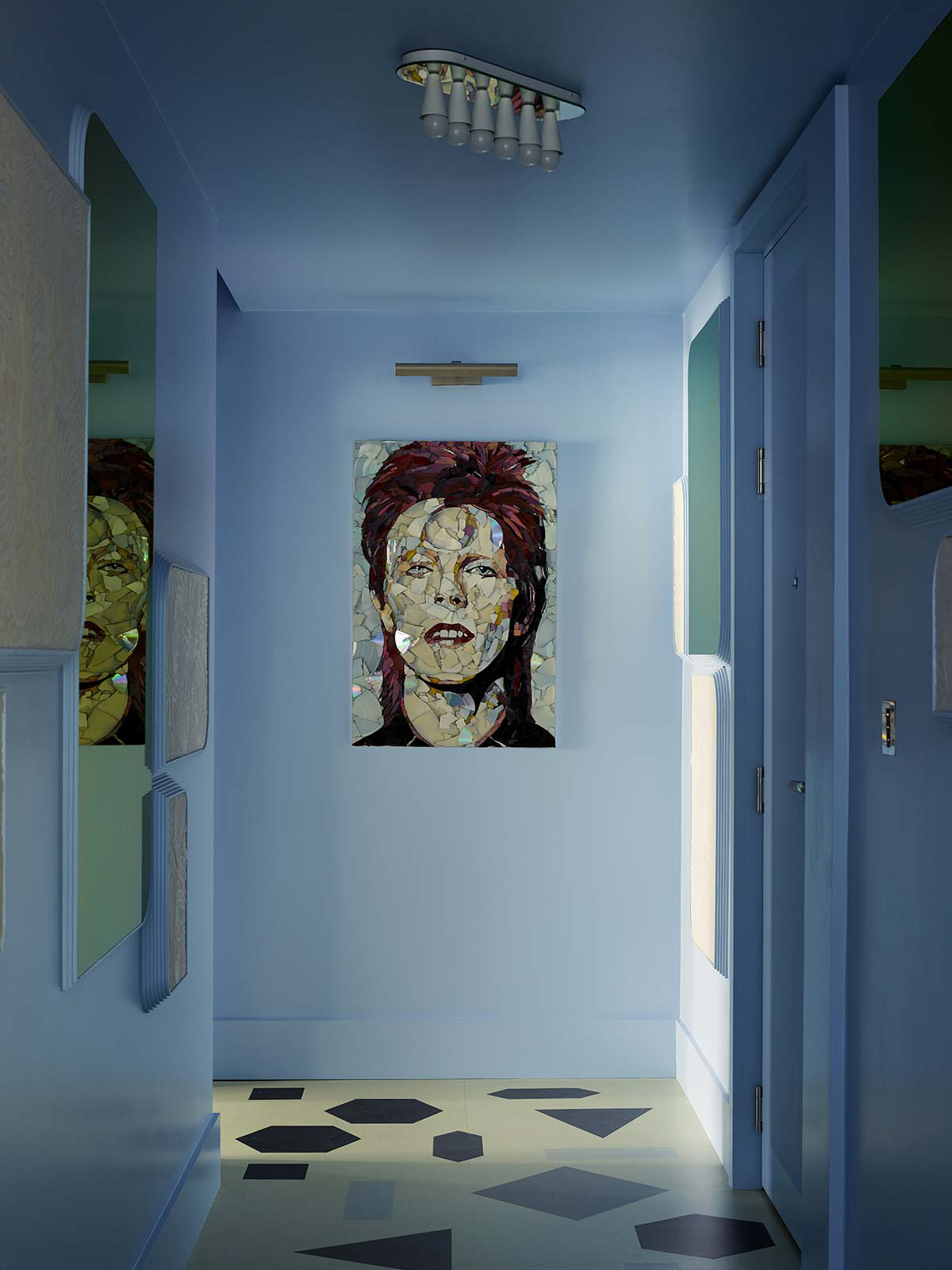
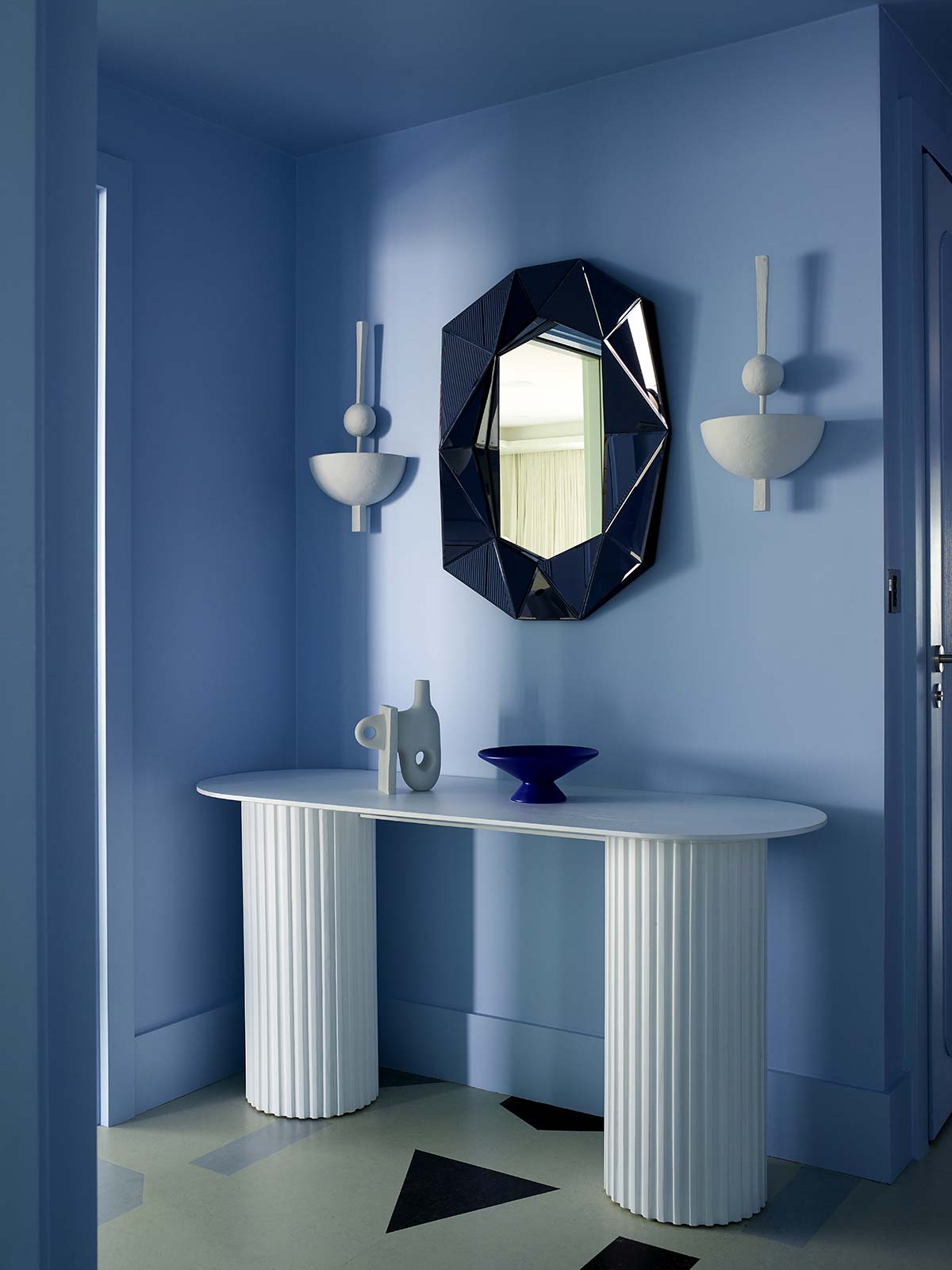
Much of what we specify is bespoke, from furniture to upholstery, ensuring every piece is perfectly tailored to the client and the space. Beyond that, we source from a wide network of suppliers, constantly seeking out new makers to keep our designs fresh and relevant.
We prioritise working with local, independent craftspeople whenever possible, supporting small businesses and reducing environmental impact. At the same time, we remain open to international brands and manufacturers—whether English, Italian, or further afield—when the right piece enhances the overall vision.
How do you integrate innovation (technological, material, methodological) and sustainability into your design process? What are the key future challenges your studio is currently addressing or preparing for?
Sustainability sits at the heart of our process. We regularly incorporate vintage and antique pieces, repurposing or upcycling them to give new life to objects that might otherwise be discarded—reviving an old sideboard has almost become a signature of ours. We also collaborate with local makers to reduce transport emissions and carefully select suppliers with strong ethical and sustainable credentials. Looking forward, one of the key challenges for us and for the wider industry is to continue pushing for interiors that are not only beautiful but also responsibly designed—minimising environmental impact while maximising wellbeing.
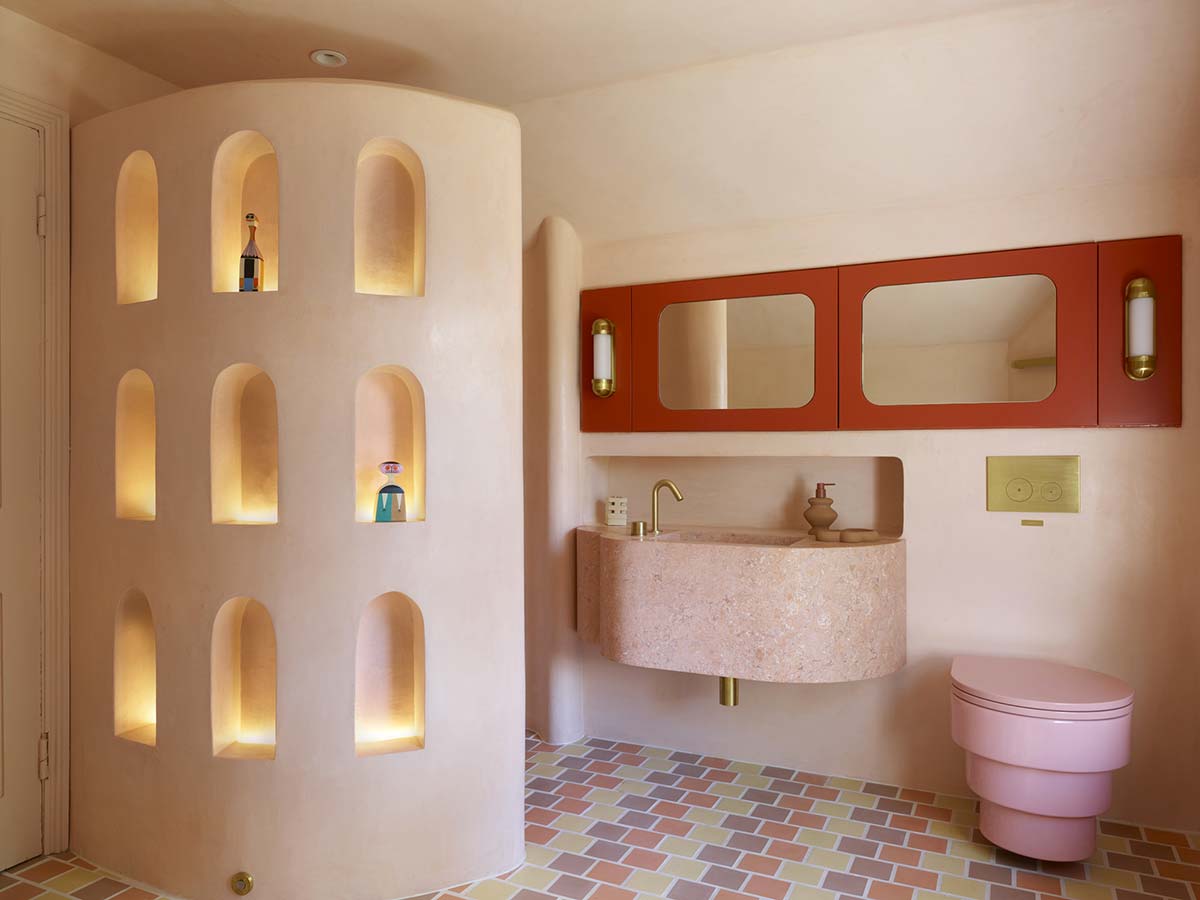
Your Herne Hill project draws inspiration from the design philosophy of Ettore Sottsass
We are big fans of the ‘Memphis Movement’ and Sottsass’s design style and ethos. It has always been a style we are drawn to for their playful elements and lighthearted touch. Our client wanted fun and escapism in the rooms and this style just seemed to fit perfectly with their personalities and the rest of the house.
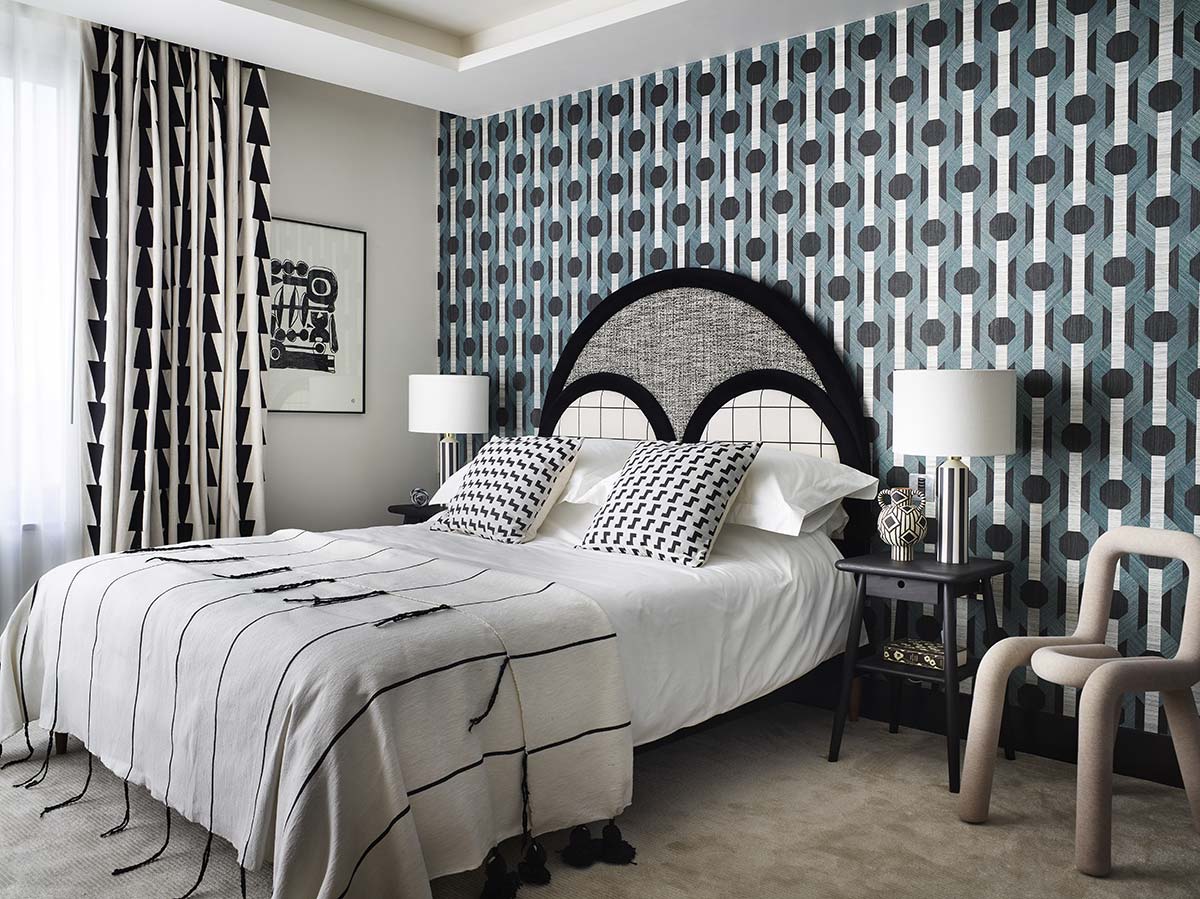
Yes the bedside tables are bespoke, designed by us. For the bathroom escapism was also a key brief factor so we used playful elements but kept the palette to similar tones so it also has a sense of calm. The toilet is by Trone Paris, the taps by ABI Interiors, the tiles by Mosaic Factory and the sink is made bespoke, designed by us.
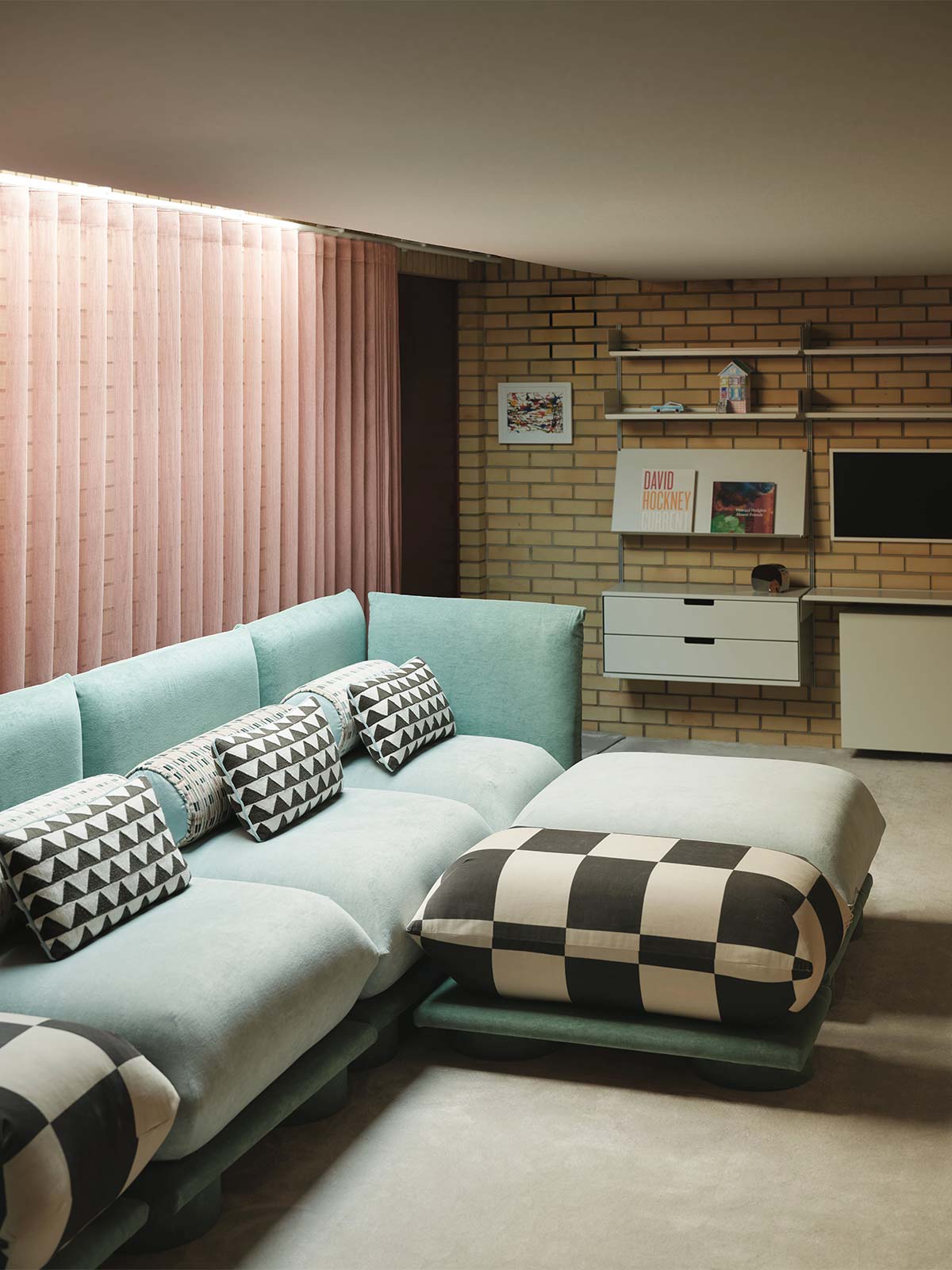
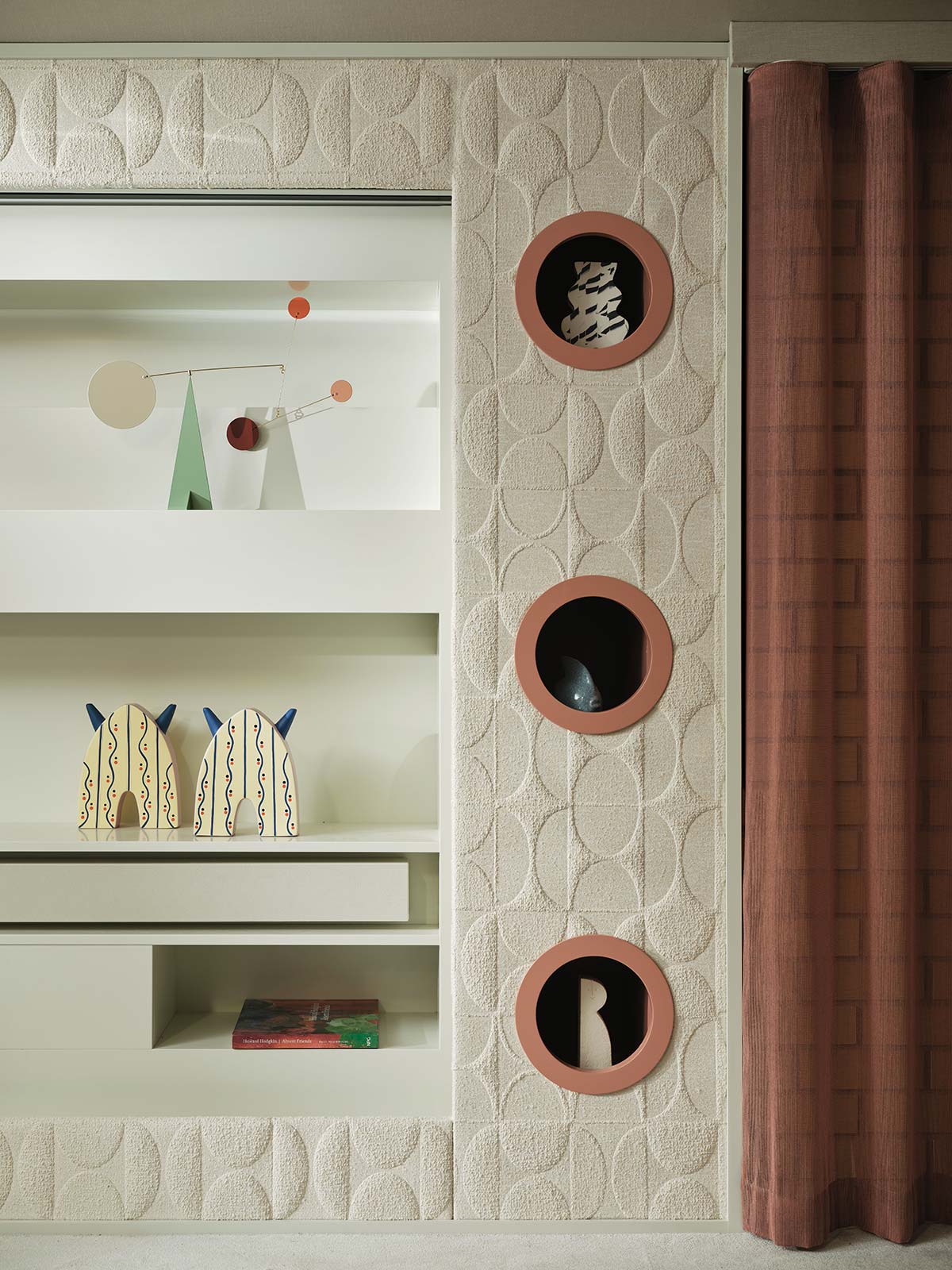
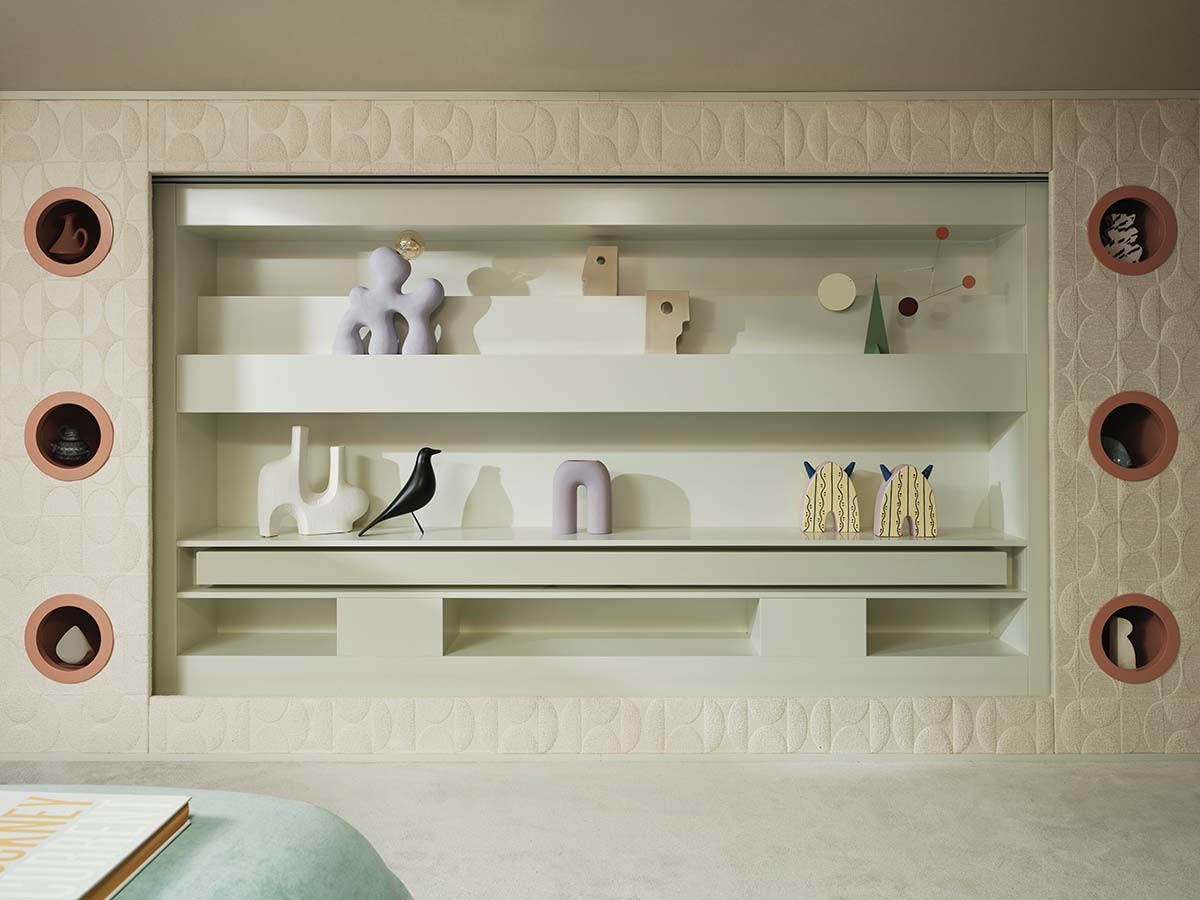
As for the Cinema Room, Hertfordshire, could you tell us a few words on how Wes Anderson’s aesthetic informed your design choices? Also, is the sofa a bespoke piece created by your studio?
As this room was to be used by the kids by day as a playroom and by the adults by night to watch movies so we needed to create a room that worked for both, and Wes Andersons film and colour palettes resonate with all ages, and fit with the mid-century aesthetic of the house. Little did we know when we suggested this that he is the client’s favourite director, so the idea was a bit and we ran with it. Yes, the sofa and footstools (which also double up as play tables for the kids, as they have perfectly fitted hard tops) were designed and made by us, along with the bespoke joinery which is visible when the projector screen is not in use.
What kind of impact does your studio aim to create within the architectural landscape and for the communities you serve? What is your long-term vision for the evolution of your studio and its projects?
Our aim is to design interiors that genuinely improve quality of life—whether through functionality, the daily joy of inhabiting a beautiful space, or even health benefits from choosing non-toxic, sustainable materials. At the same time, we remain committed to leaving as minimal an environmental footprint as possible. We see the studio as constantly evolving—learning, refining, and improving rather than standing still. A particularly exciting step in our journey is the upcoming launch of our own product range within the next year. This collection will allow us to distil our ethos into tangible pieces: joyful, sustainable, and non-toxic designs that can be enjoyed by a wider audience. Each piece being made to order so people can take a little bit of the Owl aesthetic home with them. More info to be announced later this year!