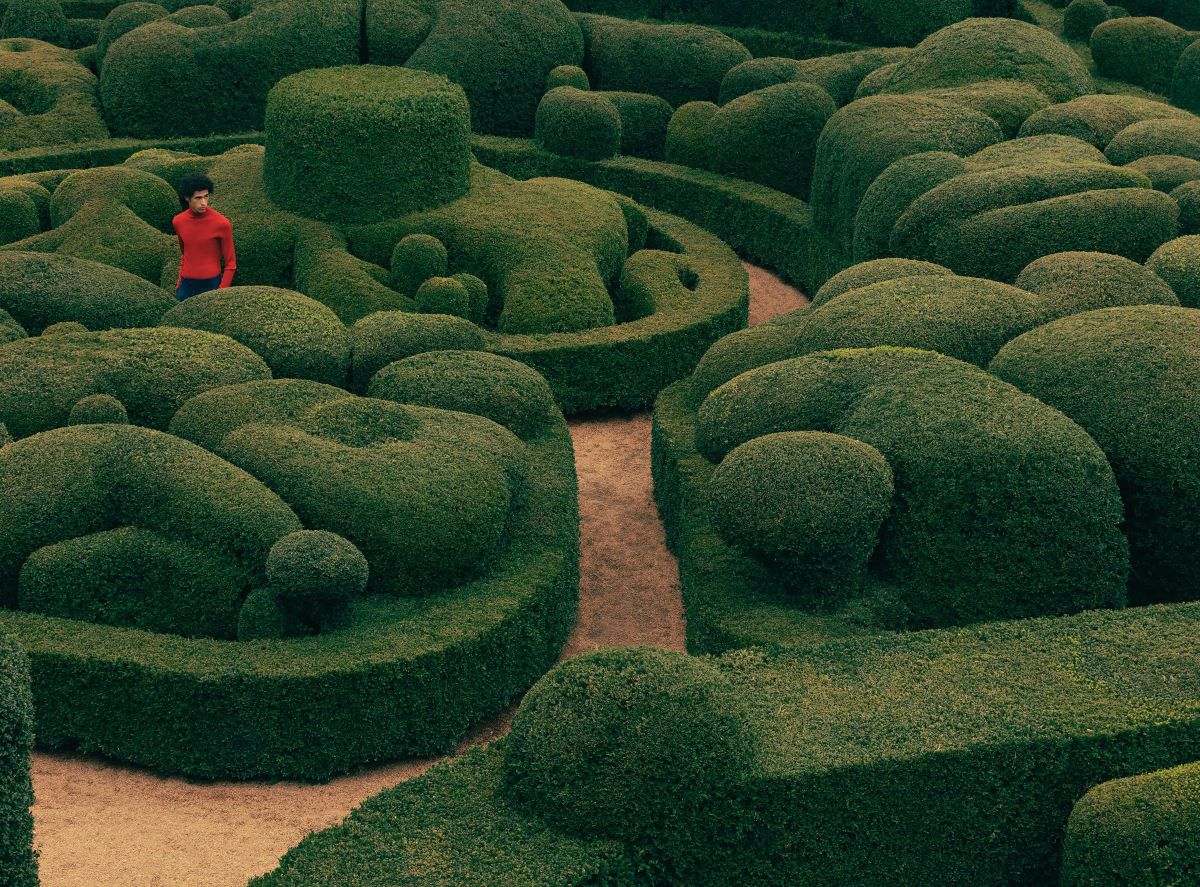
Intended as something much more articulate than just a corollary to the home, the contemporary garden is the subject of an exhibition opening at the Vitra Design Museum on March 24. With a set-up by Formafantasma, the exhibition “Garden Futures” at the Vitra Design Museum is the first to explore the history and future of modern gardens. Where do today’s garden ideals come from? Will gardens help us achieve a liveable future for everyone? The exhibition addresses these questions using a broad range of examples from design, everyday culture, and landscape architecture – from deckchairs to vertical urban farms, from contemporary community gardens to living buildings to gardens by designers and artists including Roberto Burle Marx, Mien Ruys, and Derek Jarman.
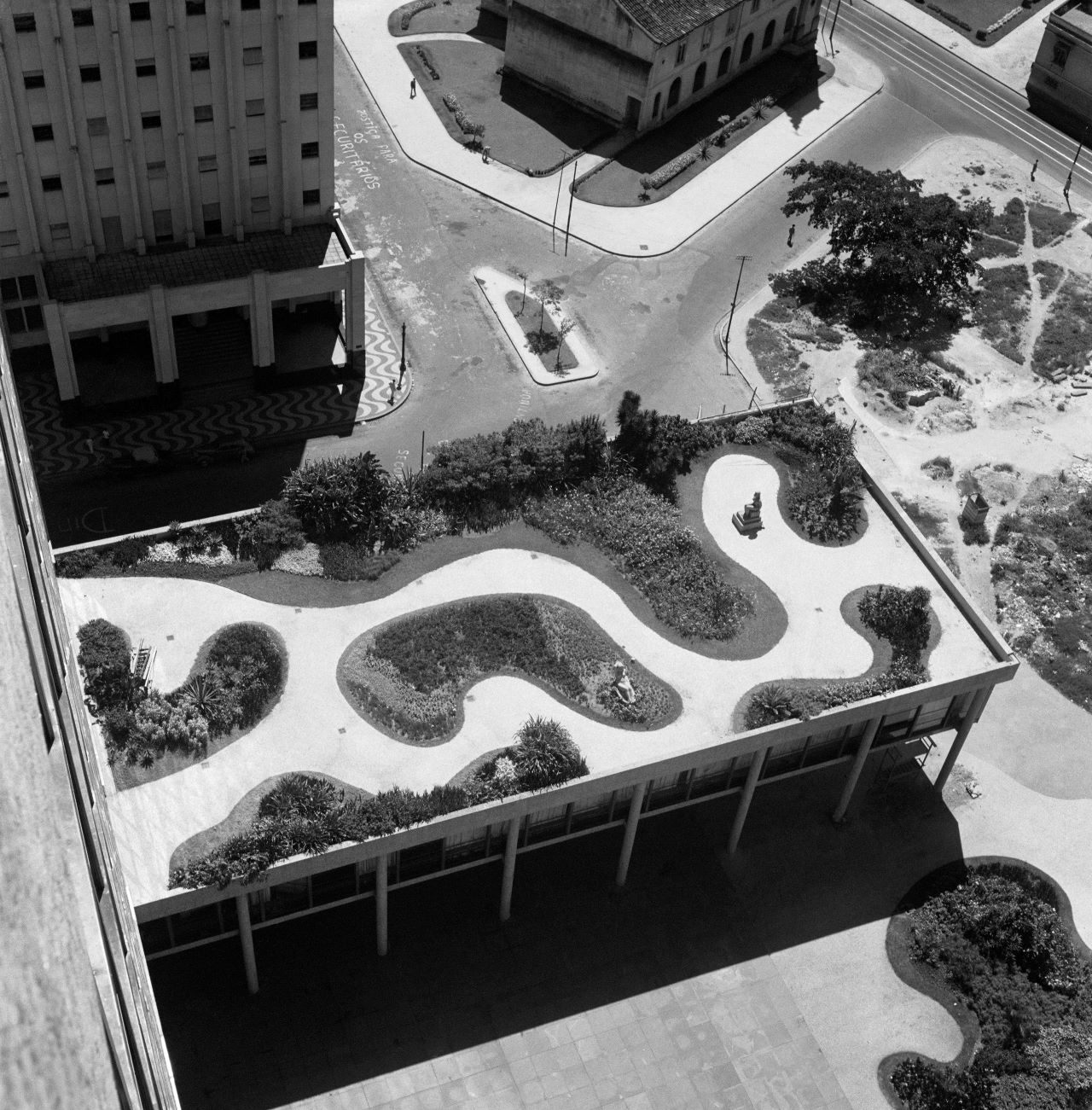
Roberto Burle Marx, Rooftop garden of the Gustavo Capanema Building, the Ministry of Education and Health headquarters, c. 1955 © Instituto Moreira Salles Collection – Photo © Marcel Gautherot
Gardens have become places of the avantgarde, they reflect identities, dreams, and visions. Deeply rooted in their culture, they can unfold immense symbolic potential. The recent revival of horticulture has focused less on the garden as a romantic refuge than as a place where concepts of social justice, biodiversity, and sustainability can be tried and tested.
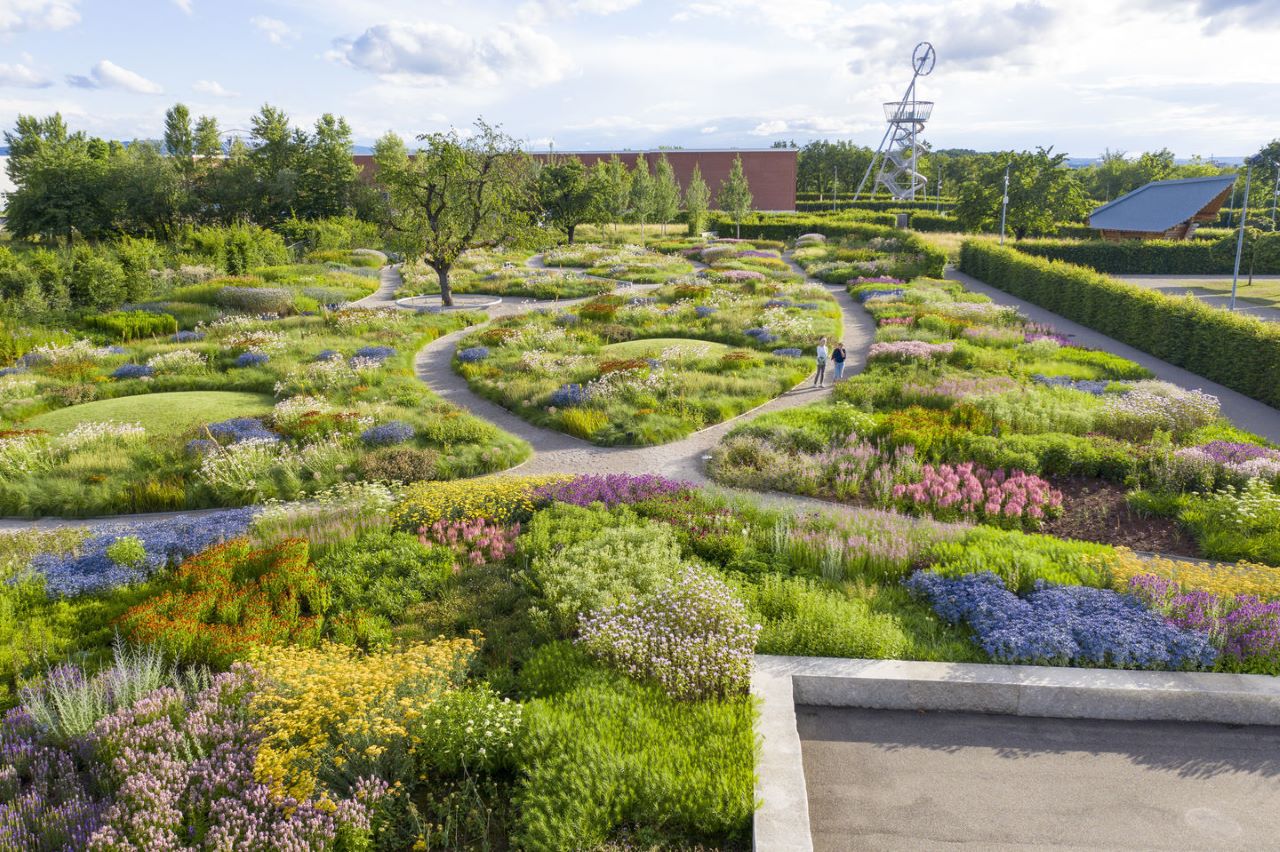
Piet Oudolf, Oudolf Garten on the Vitra Campus, Weil am Rhein, 2020 © Vitra – Photo © Dejan Jovanovic
Even the most private garden is more than a personal retreat. Every garden bears the marks of social and historical developments, political and commercial interests, and cultural value systems. This is addressed in the second part of the exhibition, where we learn that many plants forming a basic component of Western gardens have deep roots in colonial history. The Wardian case invented in the nineteenth century made it possible to send live plants all around the world. Its impact on the plant trade and on private gardens was significant, but it also contributed to the spread of invasive species and played a central role in breaking monopolies on important crops like tea or rubber, reaping huge benefits for the colonial powers.
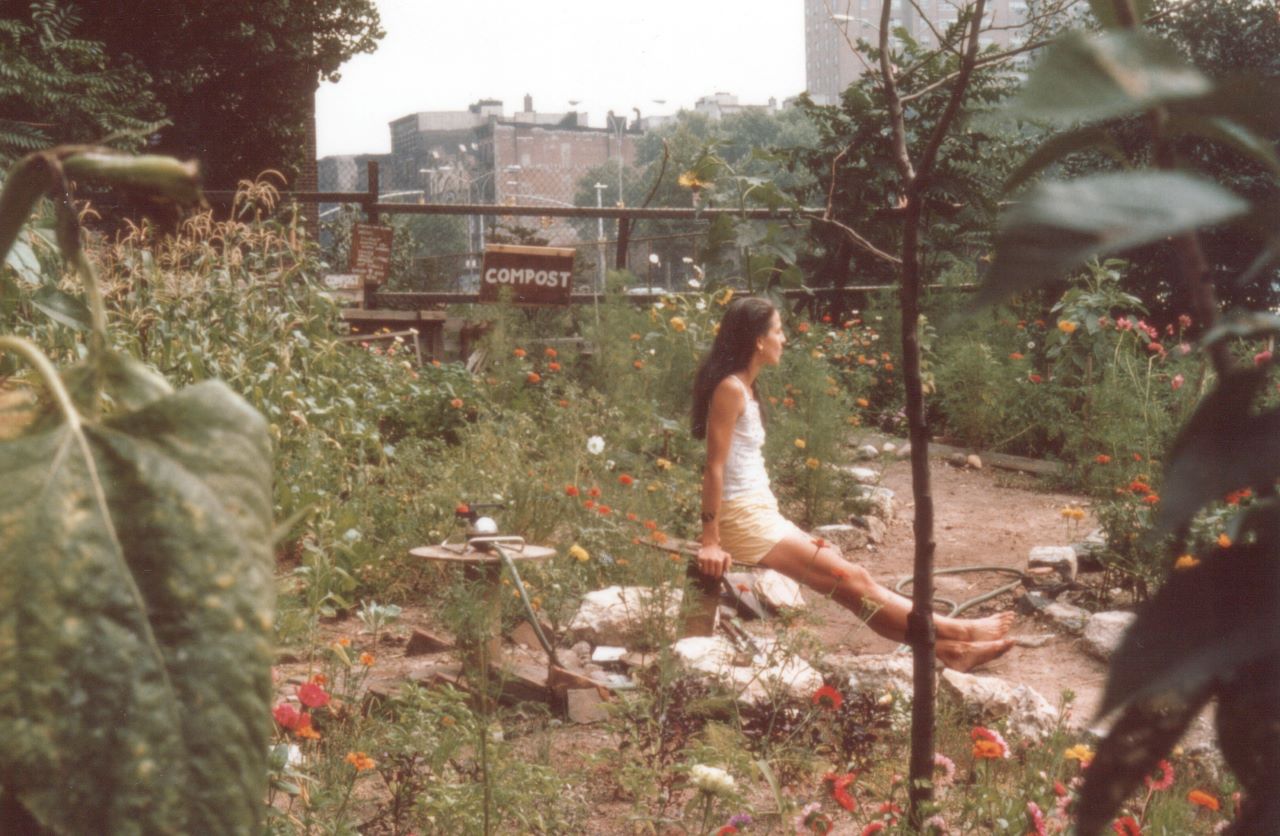
Liz Christy in a community garden, New York City, 1970s – Photo © Donald Loggins
The nineteenth century also saw the emergence of numerous urban planning concepts that sought to reconcile city and garden. Howard published his description of a garden city whose inhabitants would The Green Guerrilla group co-founded in New York by Liz Christy, in turn, has been striving to redefine the garden as a place where social justice and public participation are actively negotiated.
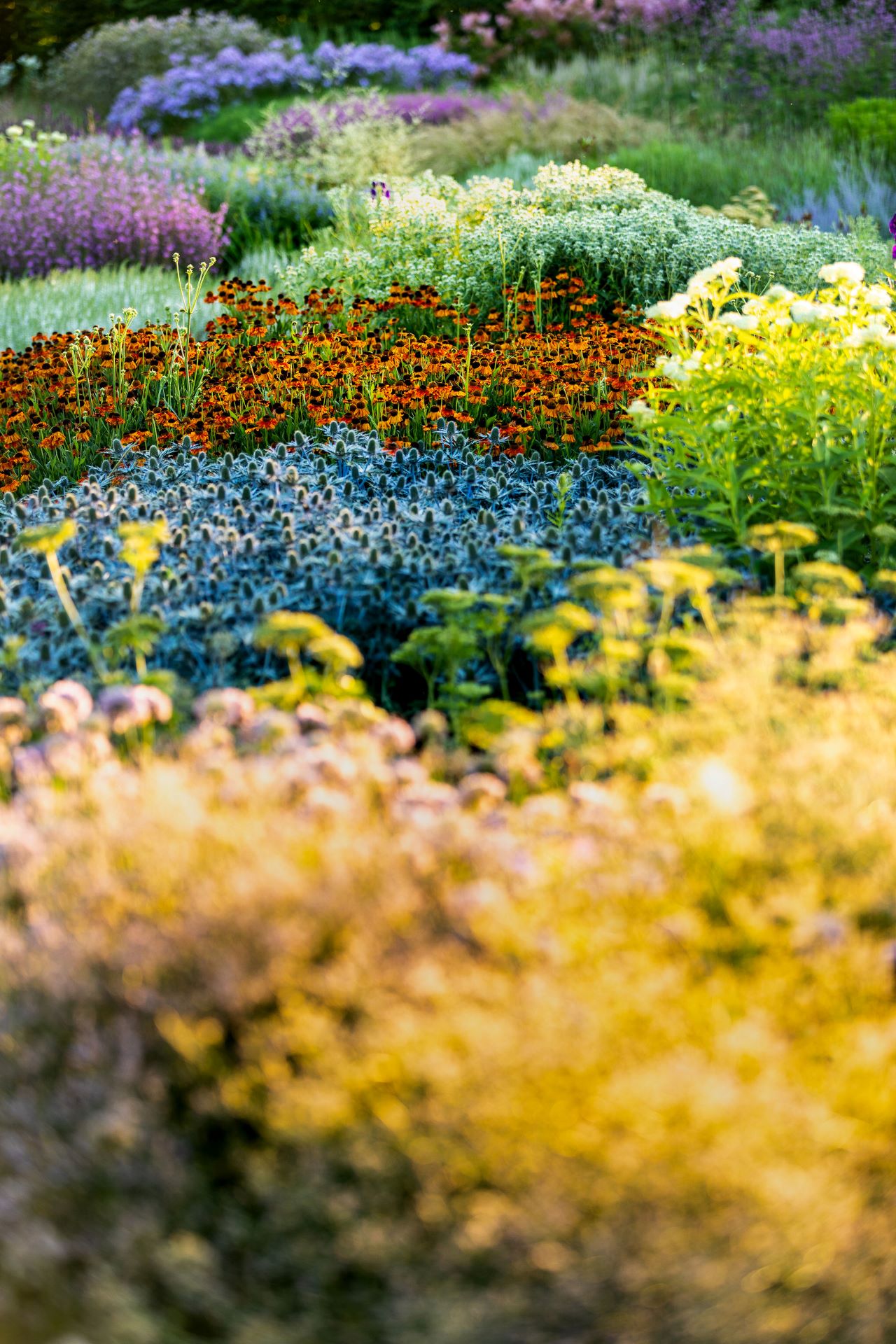
Piet Oudolf, Oudolf Garten on the Vitra Campus, Weil am Rhein, 2020 © Vitra – Photo © Dejan Jovanovic
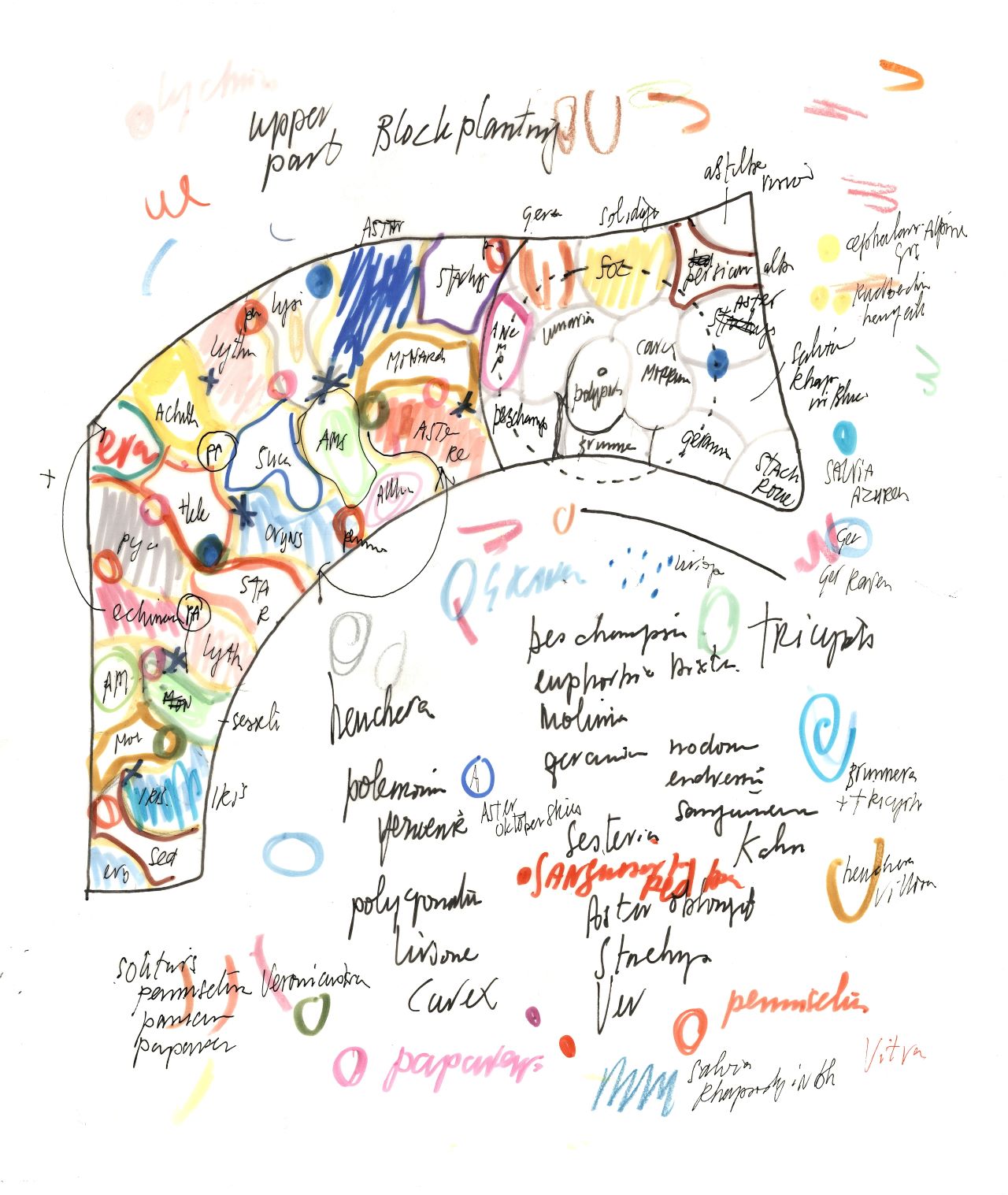
Piet Oudolf, sketch for the design of the Vitra Campus, Weil am Rhein © Piet Oudolf
The third part of the exhibition introduces nine ground-breaking garden makers from the twentieth and twenty-first centuries. The Brazilian landscape architect Roberto Burle Marx won international acclaim for emphasis on native plants, Piet Oudolf’s plant compositions are attractive all the year round, and author and gardener Jamaica Kincaid takes her garden in Vermont as her starting point in addressing colonial history, repression, and cultural appropriation. Artist and filmmaker Derek Jarman created a variegated work of garden art amidst the hostile shingle on the coast of Kent, England, near a nuclear power station. A community garden in Kuala Lumpur co-founded by Malaysian landscape architect Ng Sek San exemplifies the many grassroots initiatives in megacities and metropoles all around the world. The extensive Liao Garden designed by Chinese artist Zheng Guogu draws on the aesthetic of the “Age of Empires” video game and thus builds a bridge between virtual and real environments. These and other fascinating projects demonstrate how gardens articulate their makers’ creative approach and show that garden-making – a creative form of expression at the interface of the visual arts, architecture, and design – merits far more attention than it has hitherto received.
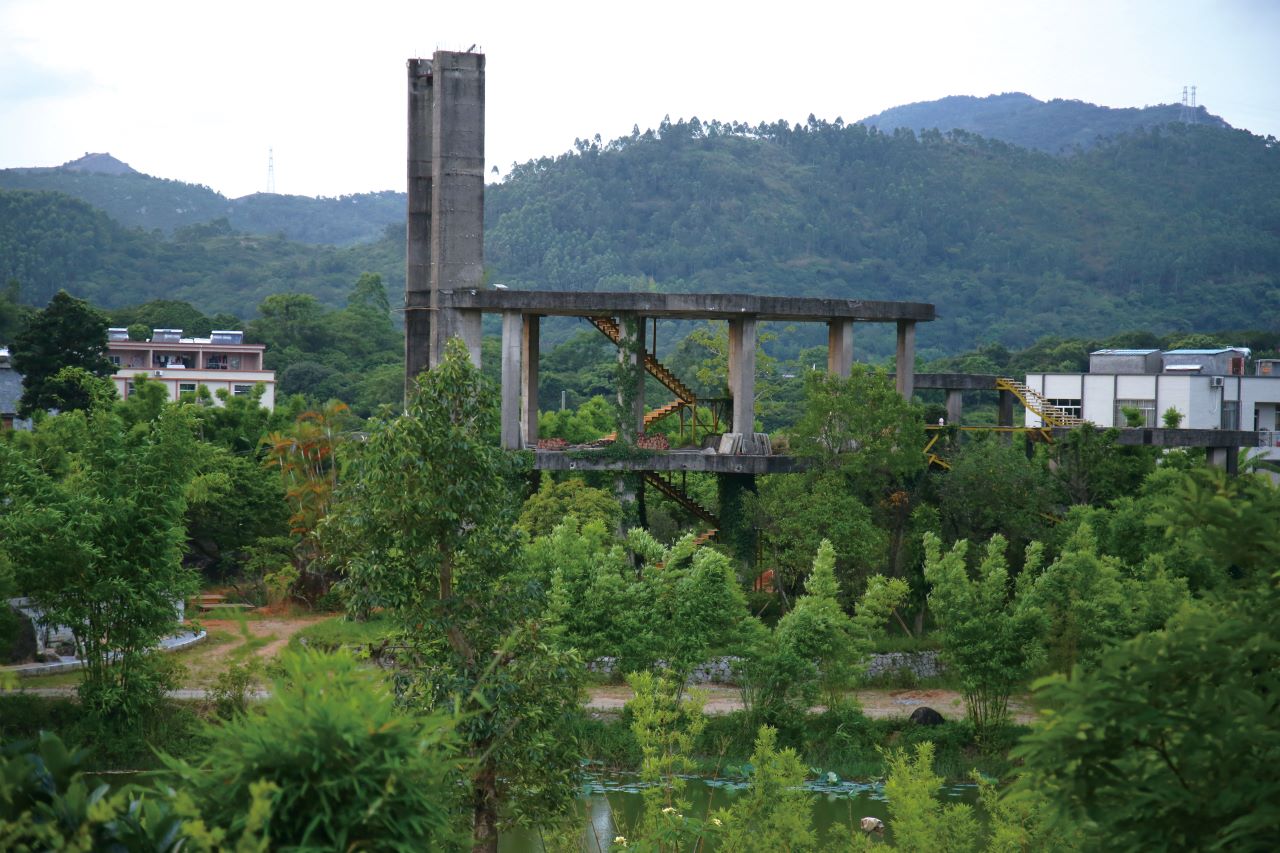
Zheng Guogu, Liao Garden, Yangjiang, China, 2017, started from 2005 Courtesy of Zheng Guogu and Vitamin Creative Space
The exhibition’s final section examines contemporary projects addressing the future of gardens. In an age of climate crisis, social injustice, biodiversity under threat, and social isolation, the garden offers a place in which to reimagine the future and develop. The entire planet emerges as a garden that we need to cultivate, tend, and use responsibly.