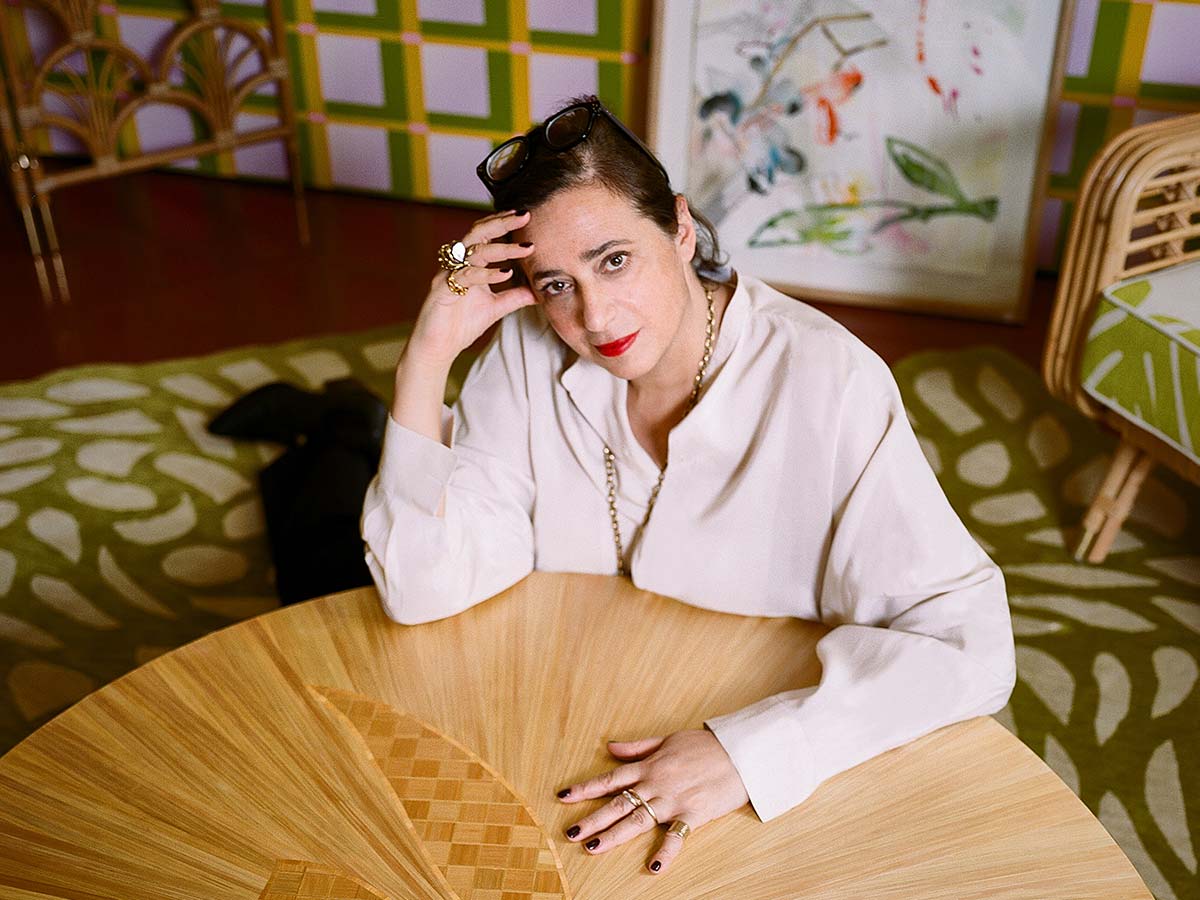
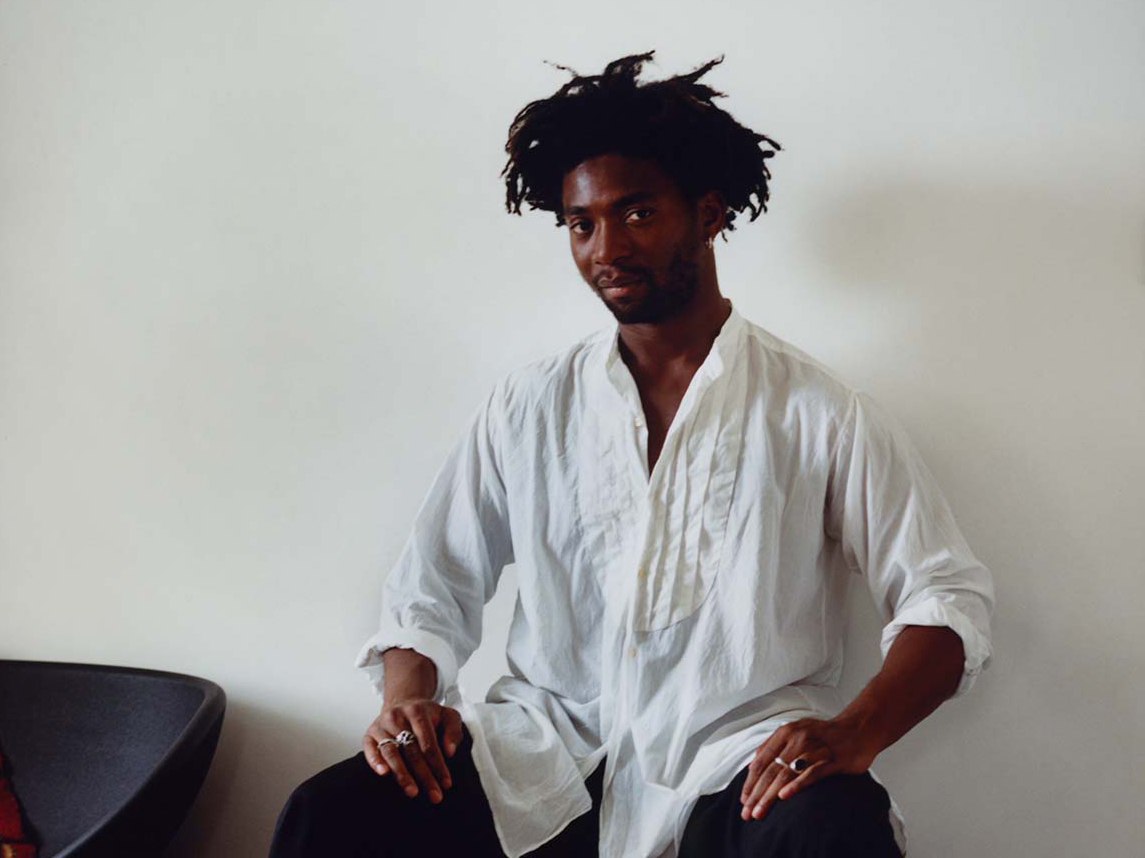
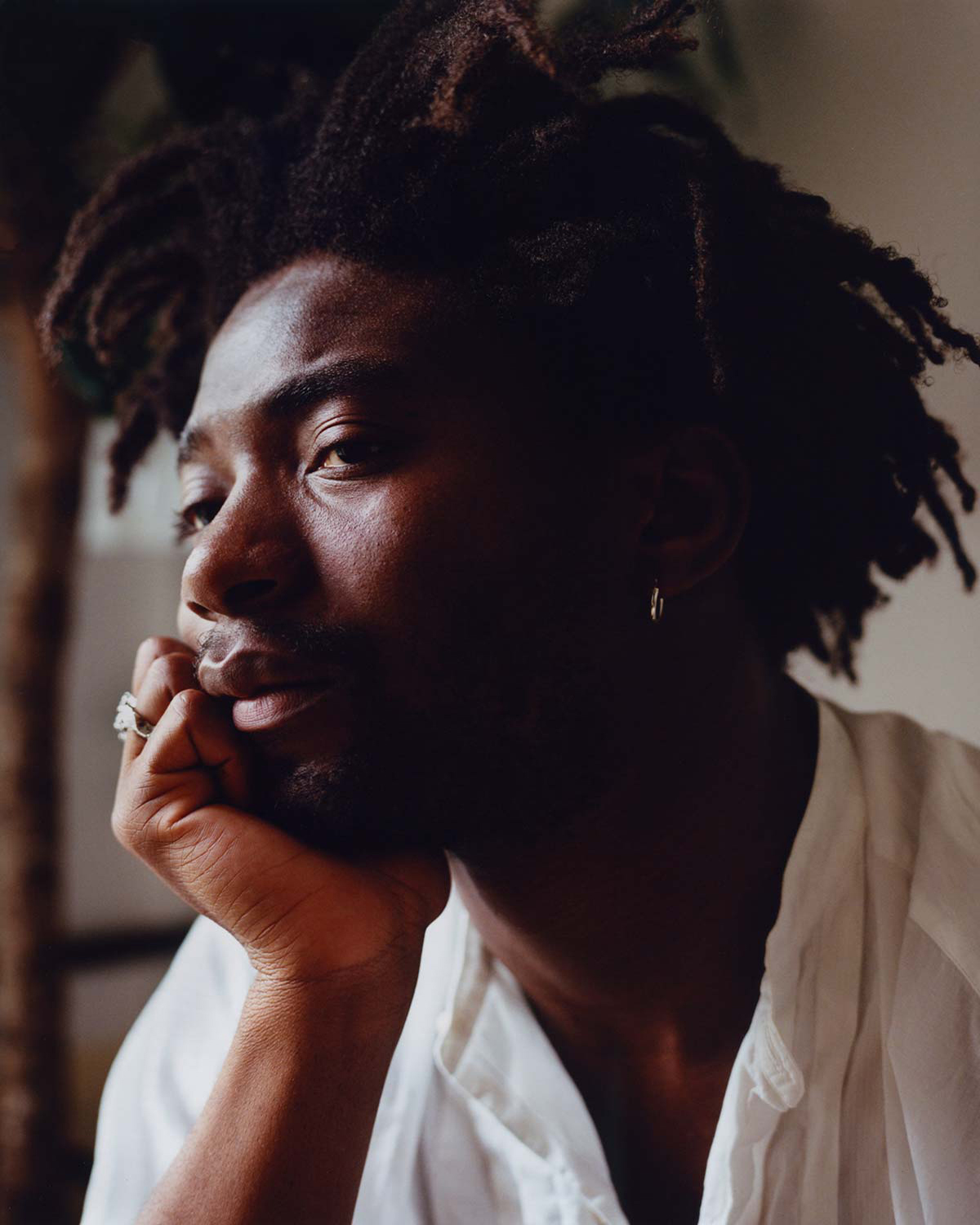
 Giles Tettey Nartey - photo © Christian Cassiel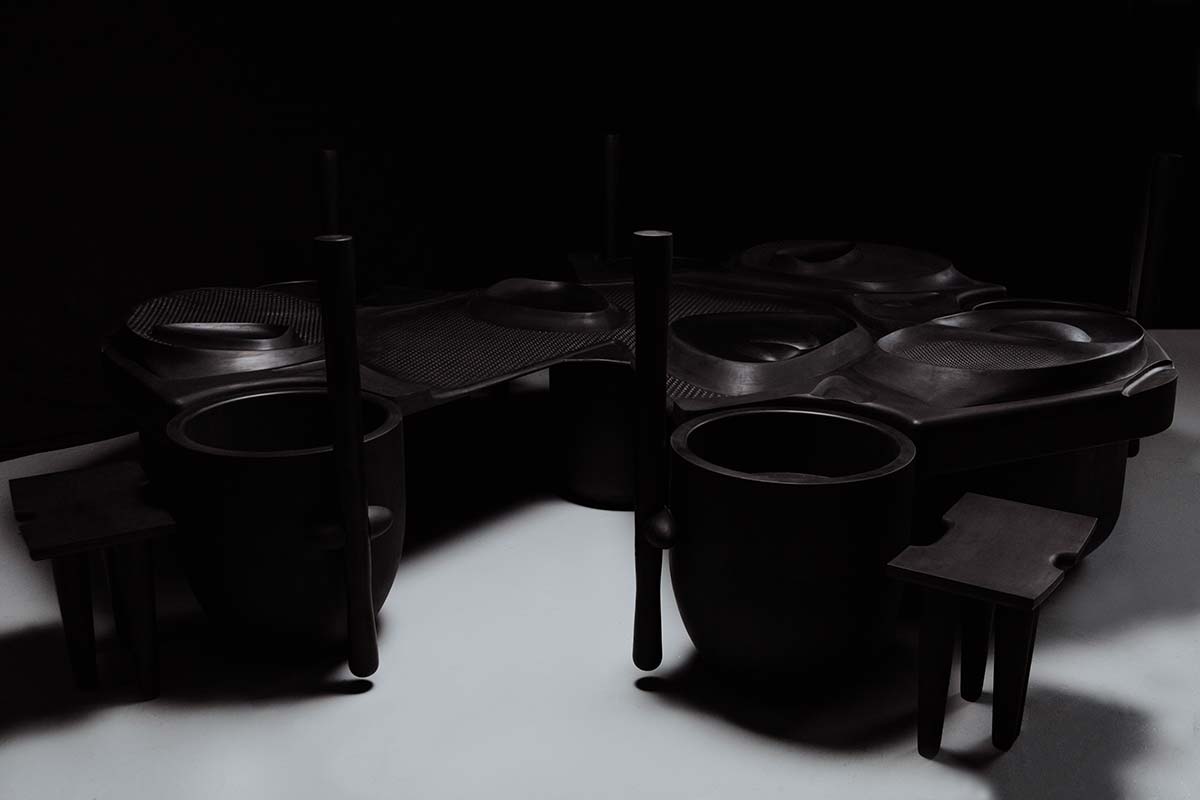
Trained at Milan’s Politecnico and the Bartlett School of Architecture (London), where he is now an associate professor, Tettey Nartey's work uses film, performance and installation to explore Africa's broad cultural background: an approach at the intersection of art, design and sociological research. We meet him (digitally) in his London studio.
Your work is made up of rather unusual elements for an architect/designer. How do the different pieces of this puzzle fit in together? My practice at the moment straddles this idea of West African rituals and domestic practices – making food, playing games, telling stories, sitting together – which then can be reframed, repositioned as art performance and something that transcends the everyday.
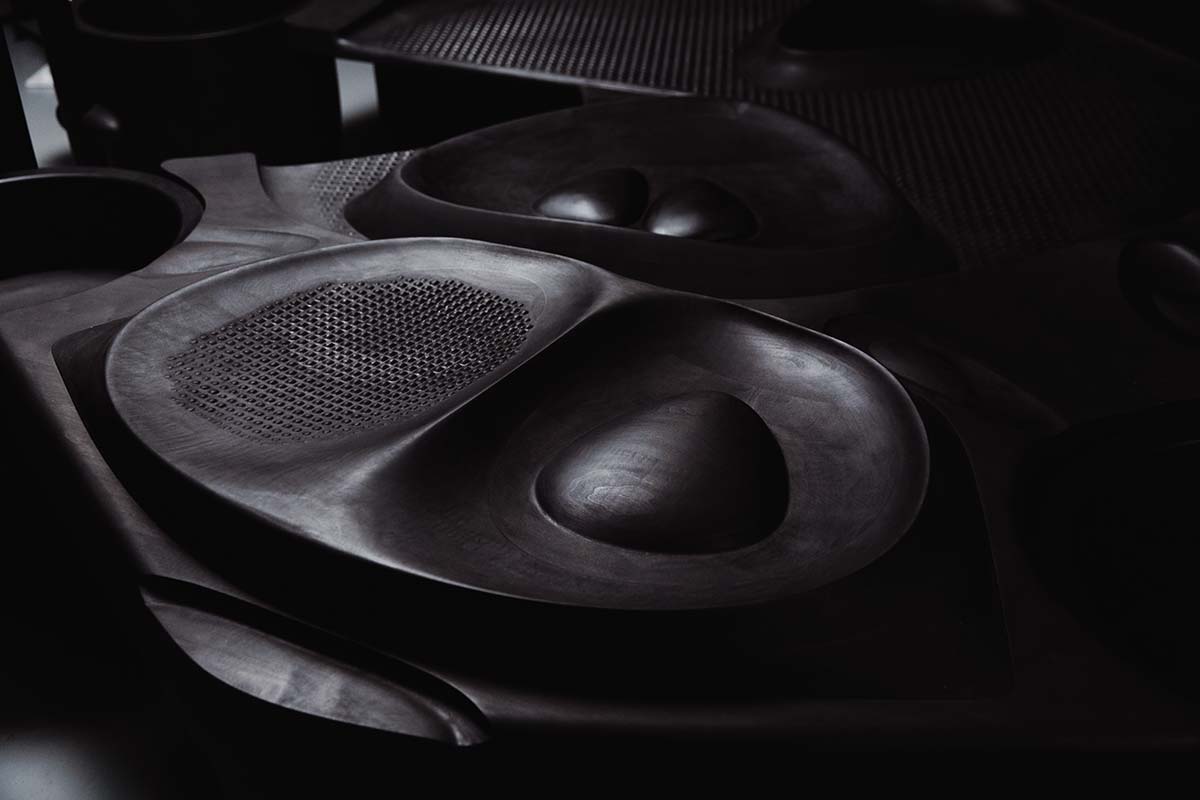
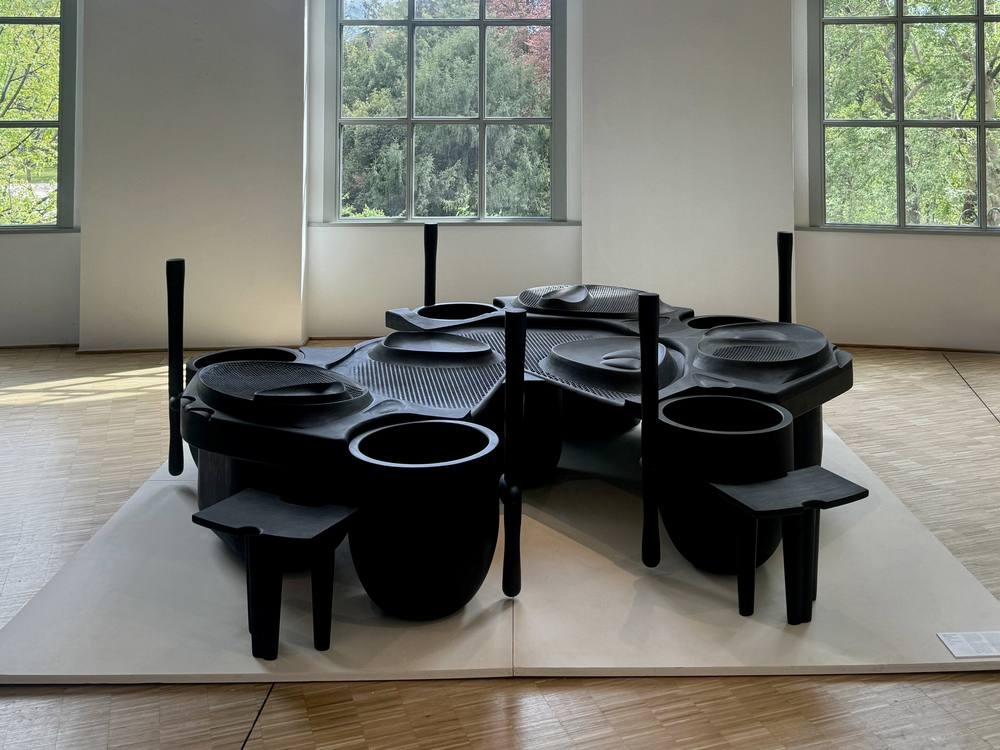
Communion, the work you presented in Milan, is about food, but not only. Can you tell us more about it? In Ghana you have a food called fufu, which is cassava and plantain pounded in a huge mortar and pestle, we call it wooduro and woma. This act of pounding this food has always been of interest to me. I was born in London but moved back to Ghana when I was one and lived there from one till eight, when I came back. Seeing these practices unfold on the street was completely fascinating. With my research I try to frame these experiences in a way which is in line with the education that I’ve had, rigorously approaching them as academic subjects but turning that lens on myself and my history. Trying to show the inner beauty of these practices, the beauty that I’ve always seen.
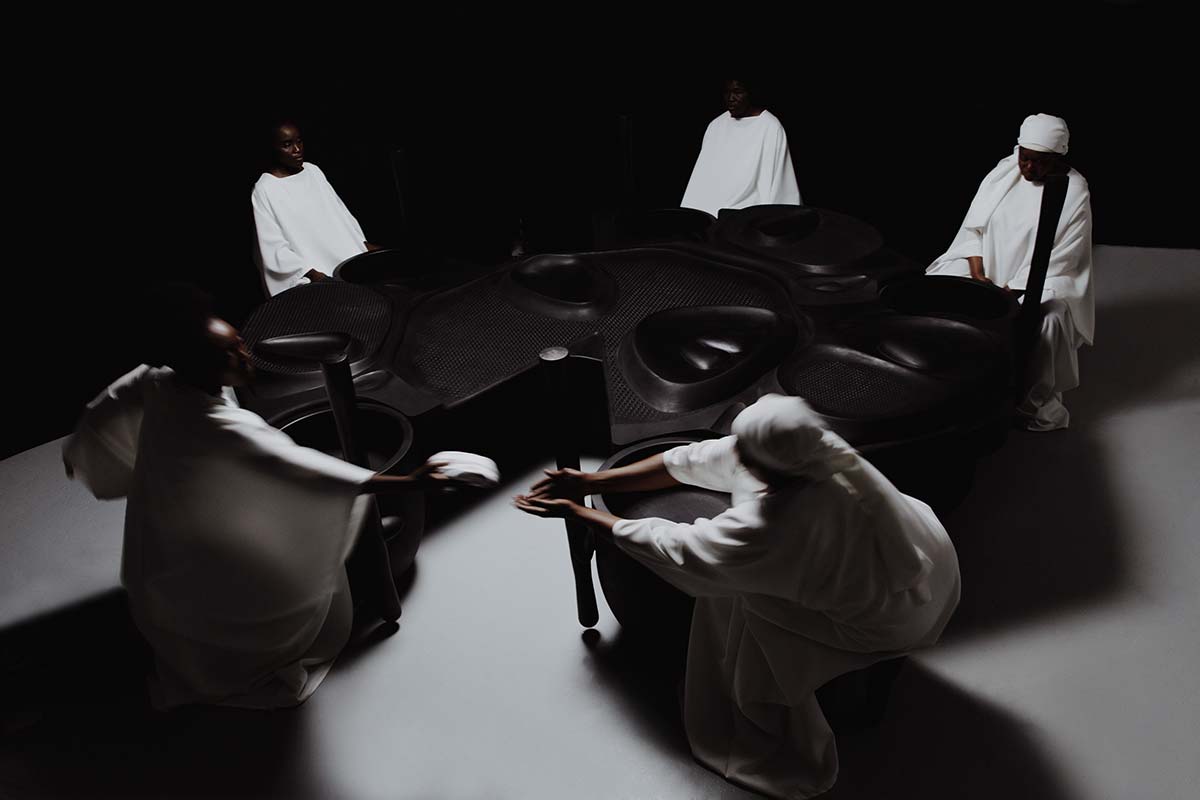
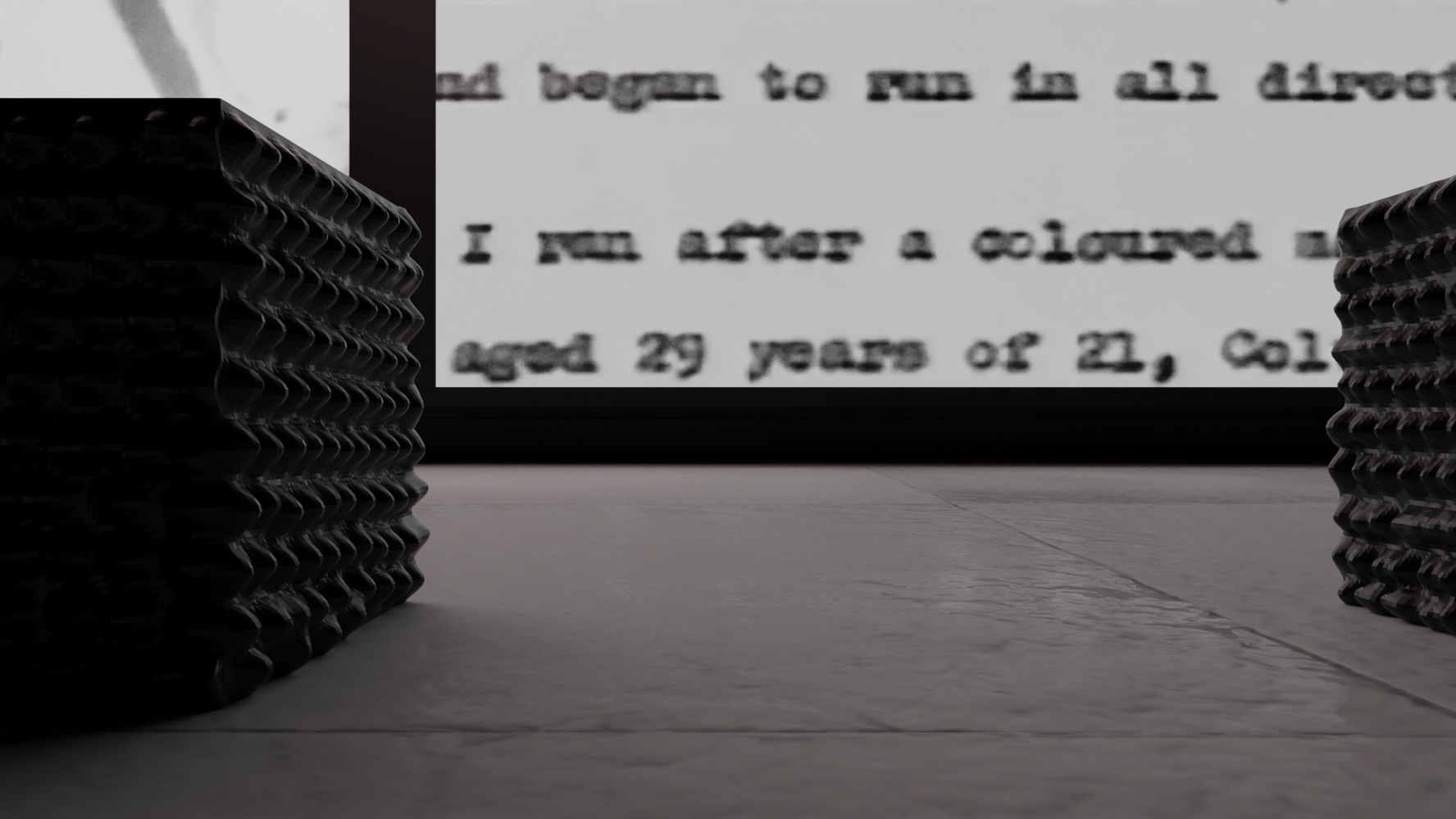
Being an architect is almost like being a director, in a way, because you set the scene for other people’s lives. Where does your interest in performance come from? In museums you can find objects from Africa and from the global South in general. They are always presented in a specific format: glass box, plinth. Separation. But actually these artifacts weren’t static: they were dynamic, used for performance, for rituals, or just as everyday tools. So what happens is a dislocation from the material object and the humanistic side of it. For Communion I made a series of films which activated it. And once you see it activated the work is complete, you’re able to see the intention behind it. It talks about the idea that performance can be as simple as washing your hands, or as simple as making food. My work says that actually we need to interact with things for them to feel whole, completed.
It’s a way of giving meaning to life, because otherwise it’s just like a repetition of acts. It can be artistic or even religious – the two realms often overlap. There are several artists who have influenced my work. Vermeer, who amongst the painters of royalty was portraying viewing milkmaids in a kitchen. Isamu Noguchi, whose work is a symphony of material and object and composition and form. Carlo Scarpa, of course: when I look at one of his buildings, I don't see an architect. I see an artist experimenting, just that level of control and sensitivity. Also on my list are Theaster Gates, John Akomfrah, writer Toni Morrison.
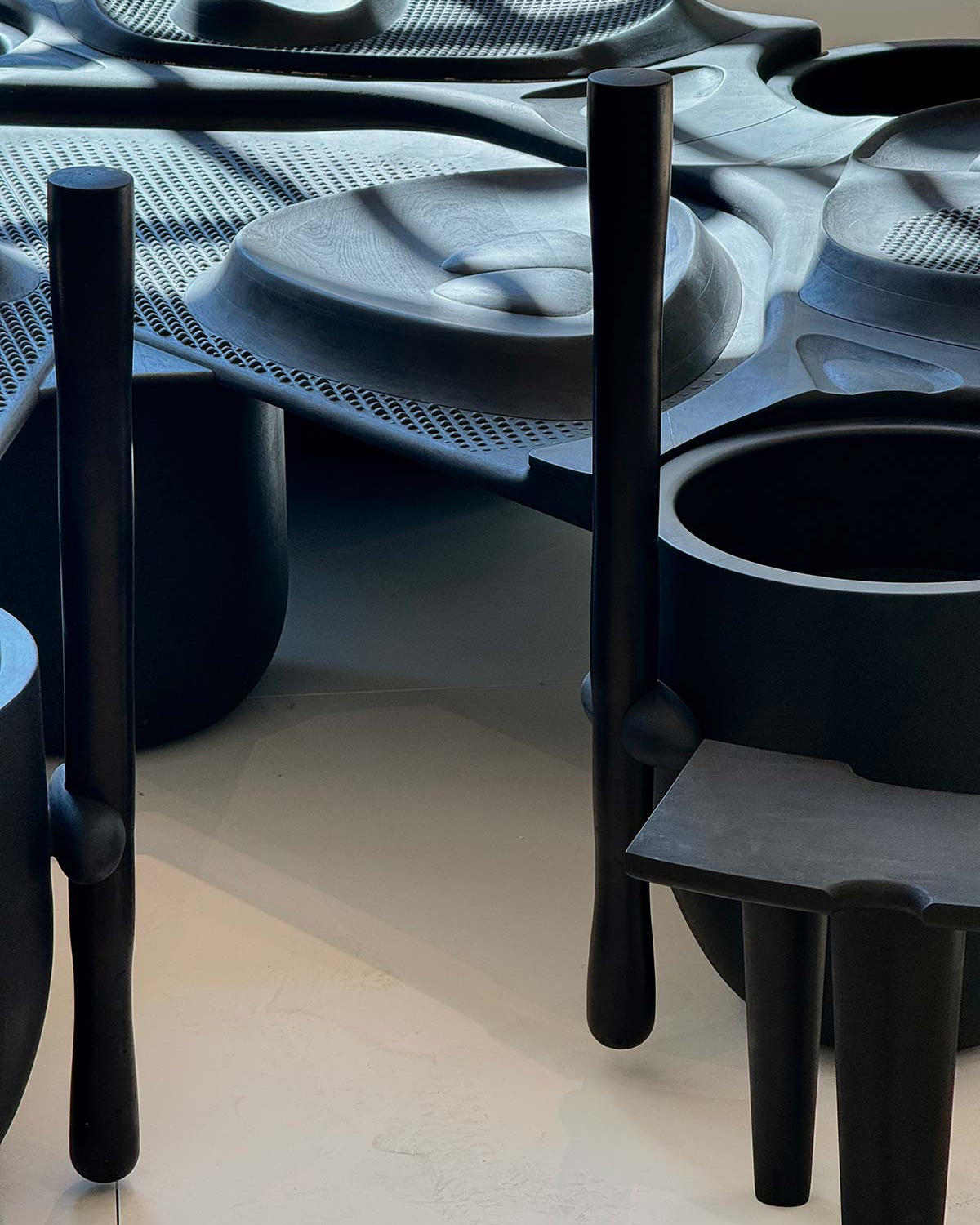
What’s the final destination of projects like Communion: museum, private collection, public use? I see these pieces as existing within a museum context. But equally, I also see their value in being used consistently, repetitively. Taken to Ghana, being used by the communities there. In a way, that’s far more important than it being in a museum. I’m trying to reframe these everyday West African practices as something to be considered as performance, and something to be considered as art. Maybe I should have two pieces made for each project, one for a museum context and one taken back. I think that’s how you mitigate between those two sides, because both of them have to be real.