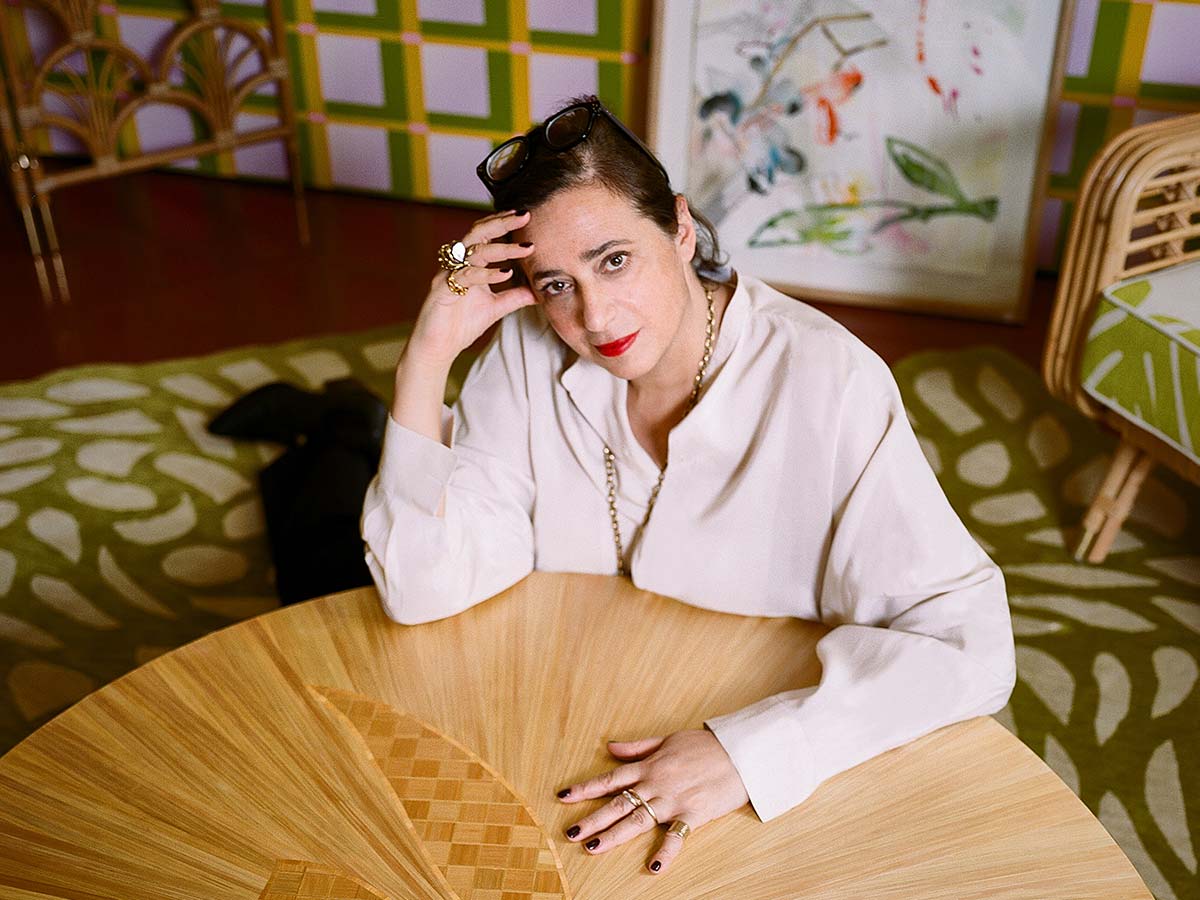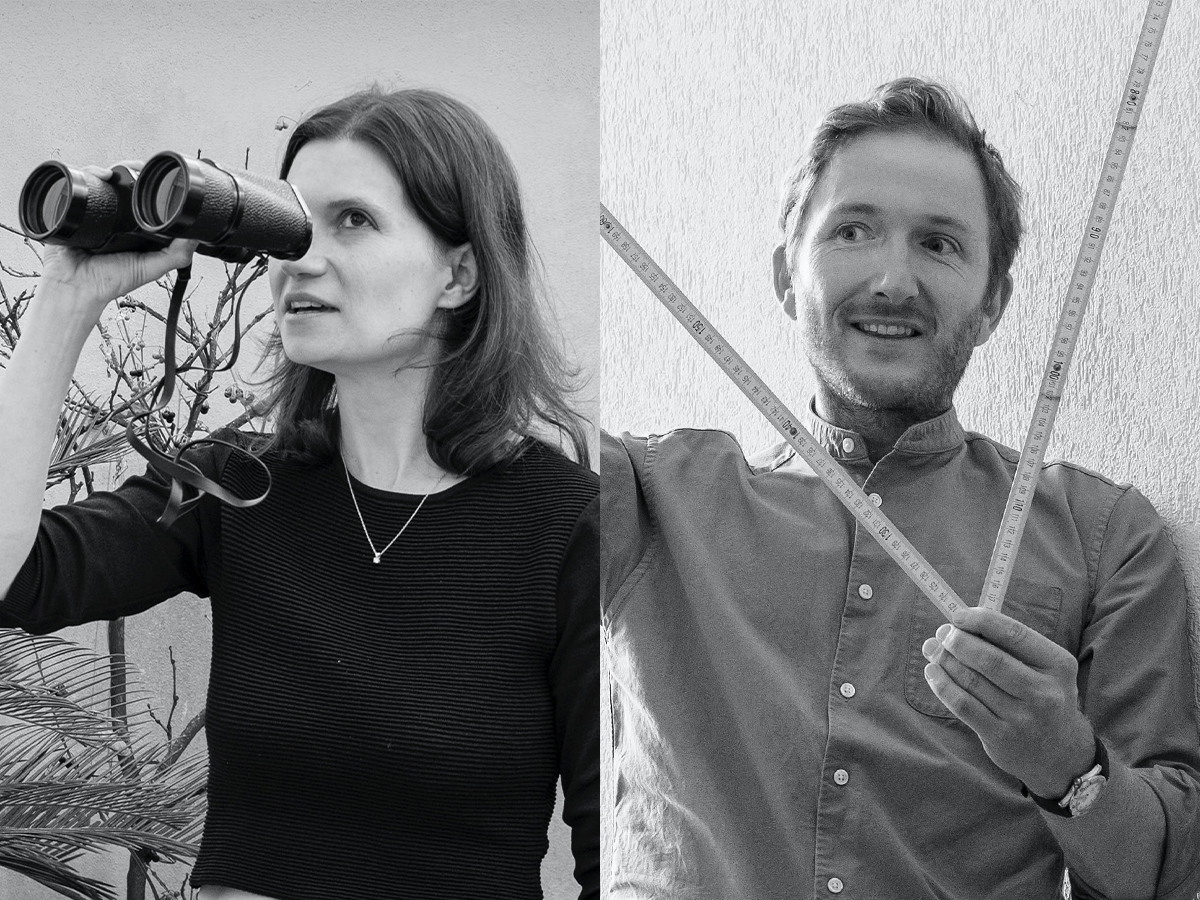
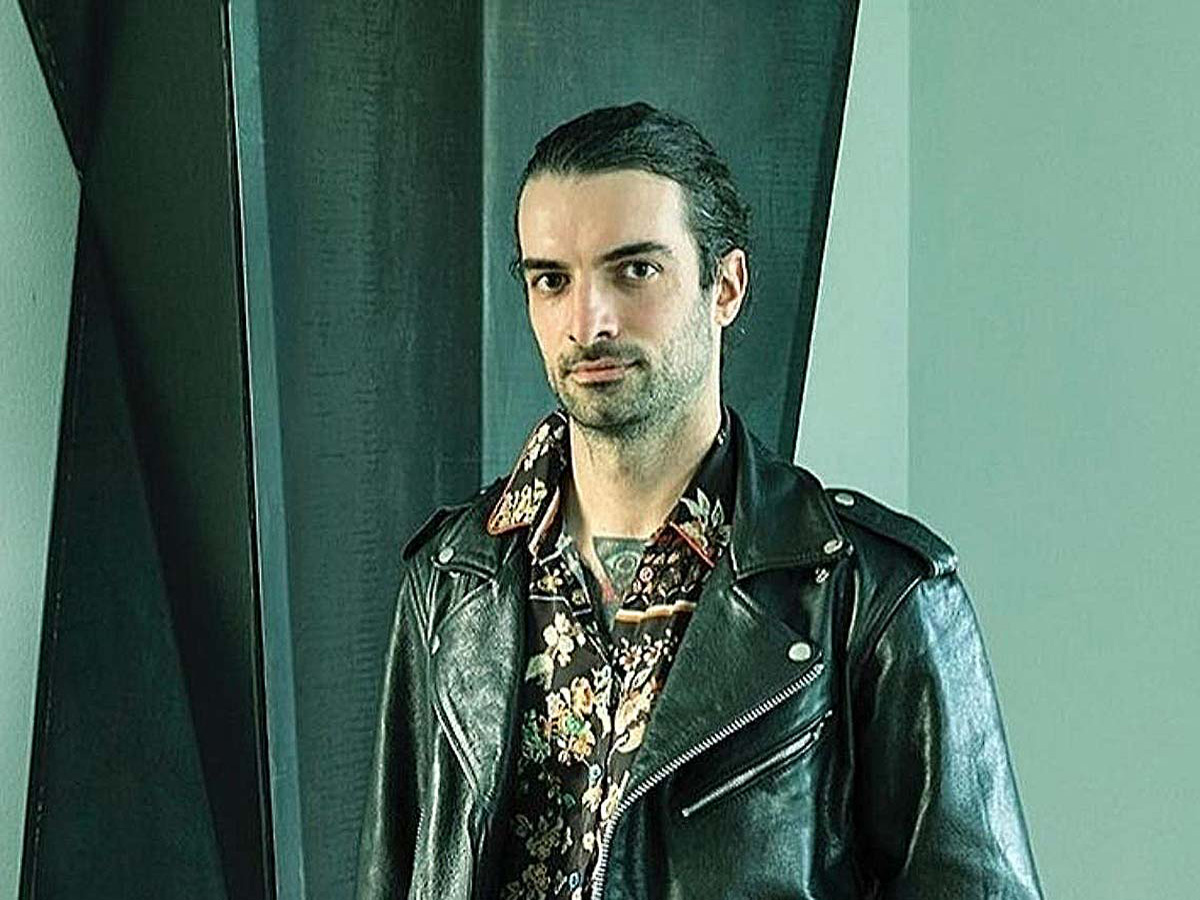
 Giacomo Totti – Photo courtesy lapiazzaweb.it
The name of young interior designer Giacomo Totti began to circulate internationally a little over five years ago, thanks to photo shoots published in design/lifestyle magazines. Born and raised in Malo, a few kilometers from Vicenza, he soon learned to appreciate design: his father, a collector and antique dealer, often took him to discover places, projects and fairs. In this way, over time, a designer with eclectic and daring taste was born. But who first did something else…
Before you became an interior designer, you worked as a musician. An unusual mix. How did that work out? As a designer I don't have an academic background, after high school I didn't really know what to do. I had a passion for music and it became a career. So I toured Europe and the United States, one tour after another, until I was 24 and decided I wanted to do something else. So I went to work first in a furniture factory, where I worked my way up, and then in an architectural office, where I learned how a construction site works, how to deal with the workforce, and above all, how to conceive projects that are not just interior design, but "complete", multifaceted. Then, as soon as I felt confident enough (in 2018), I opened my own studio, where a few fellow architects help me.
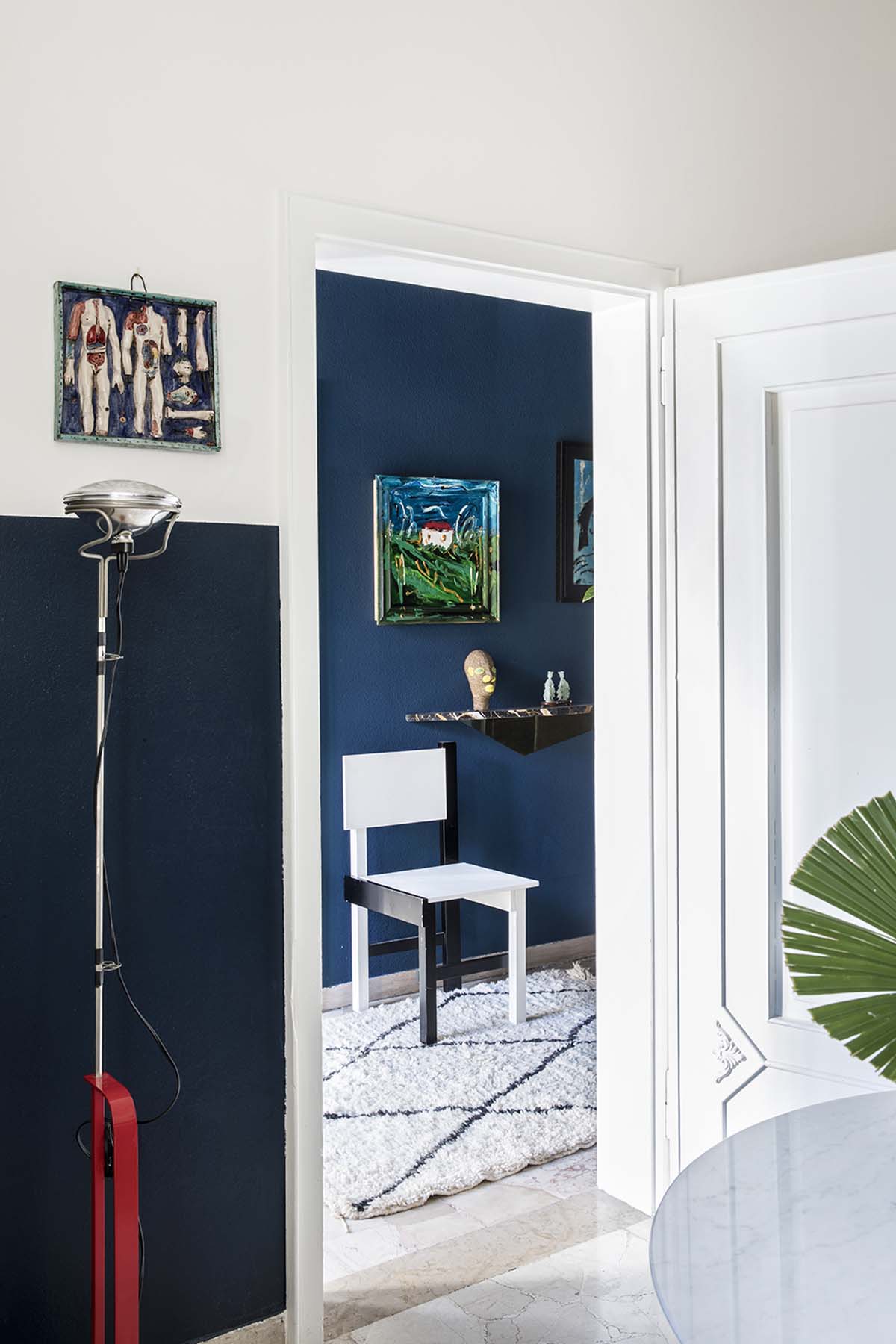
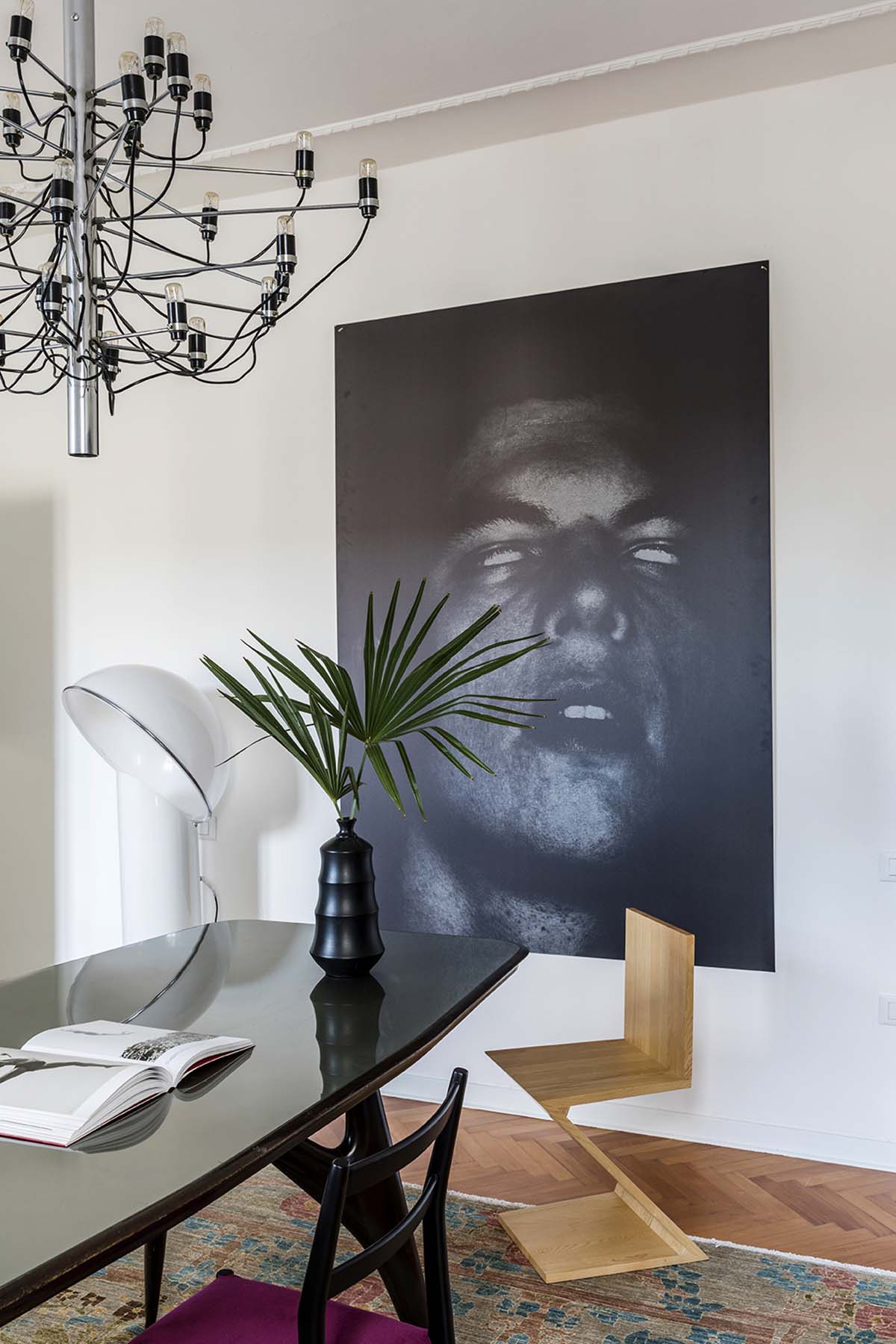
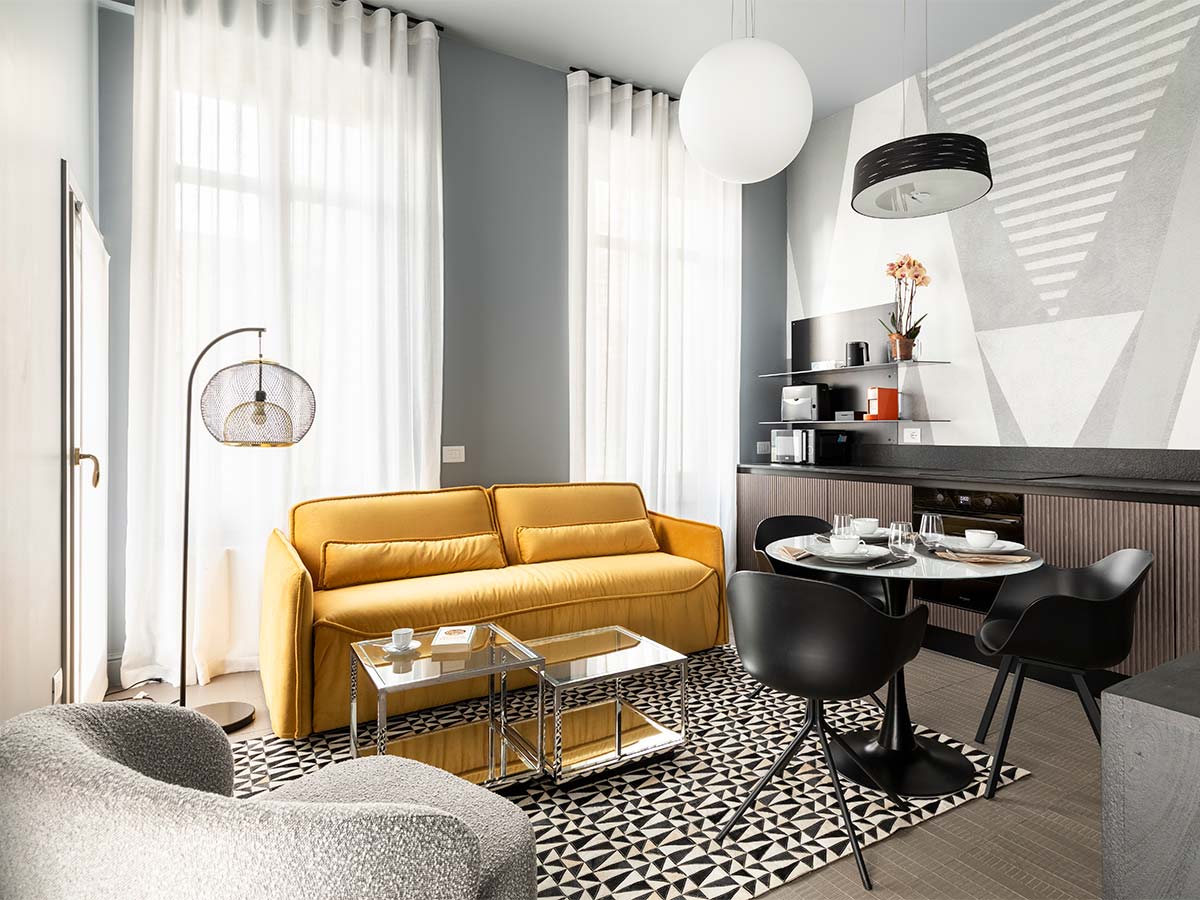
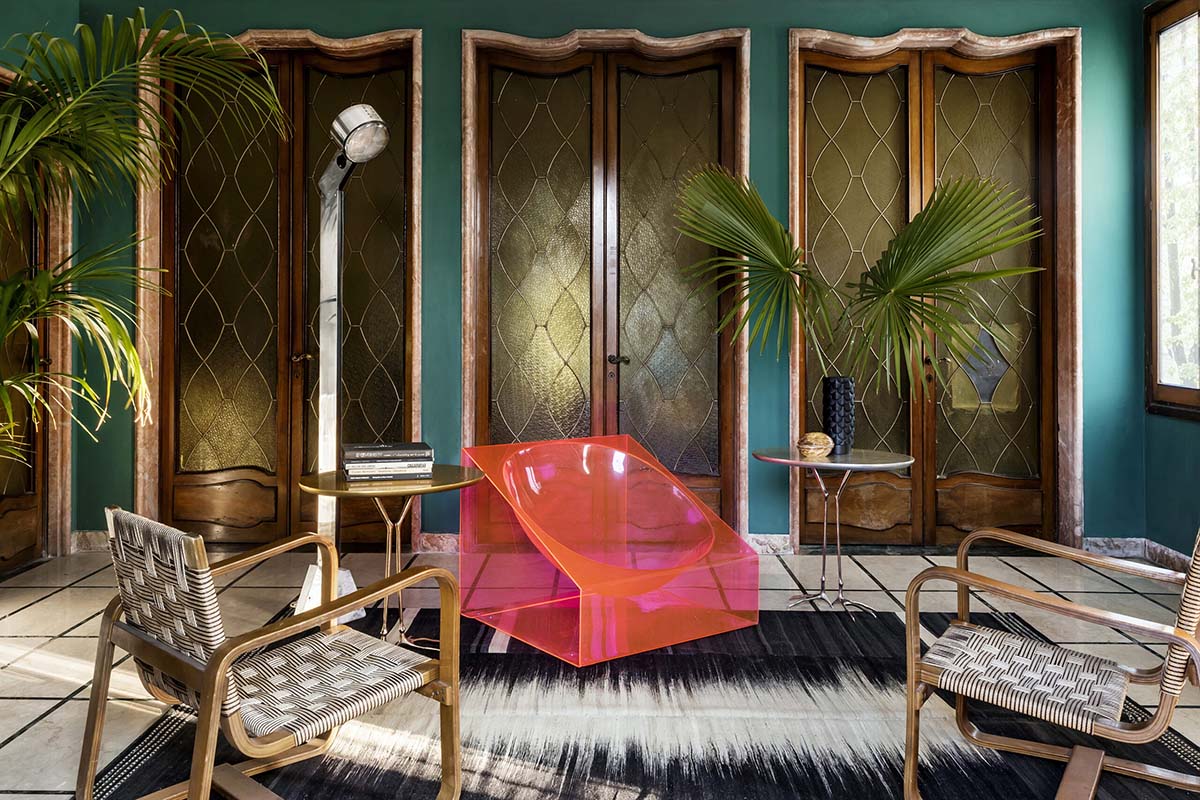
An unusual training. I learned more from craftsmen than from theorists. This has given me a somewhat anarchic attitude – I see the difference with my assistants, who may come from a polytechnic. I like to move between styles, between contrasts, dissonances, often even mistakes. When I work in a historical building, I like to be faithful to the period. I intervene philologically and consistently in the space and then work on that canvas by painting it with sharp contrasts.
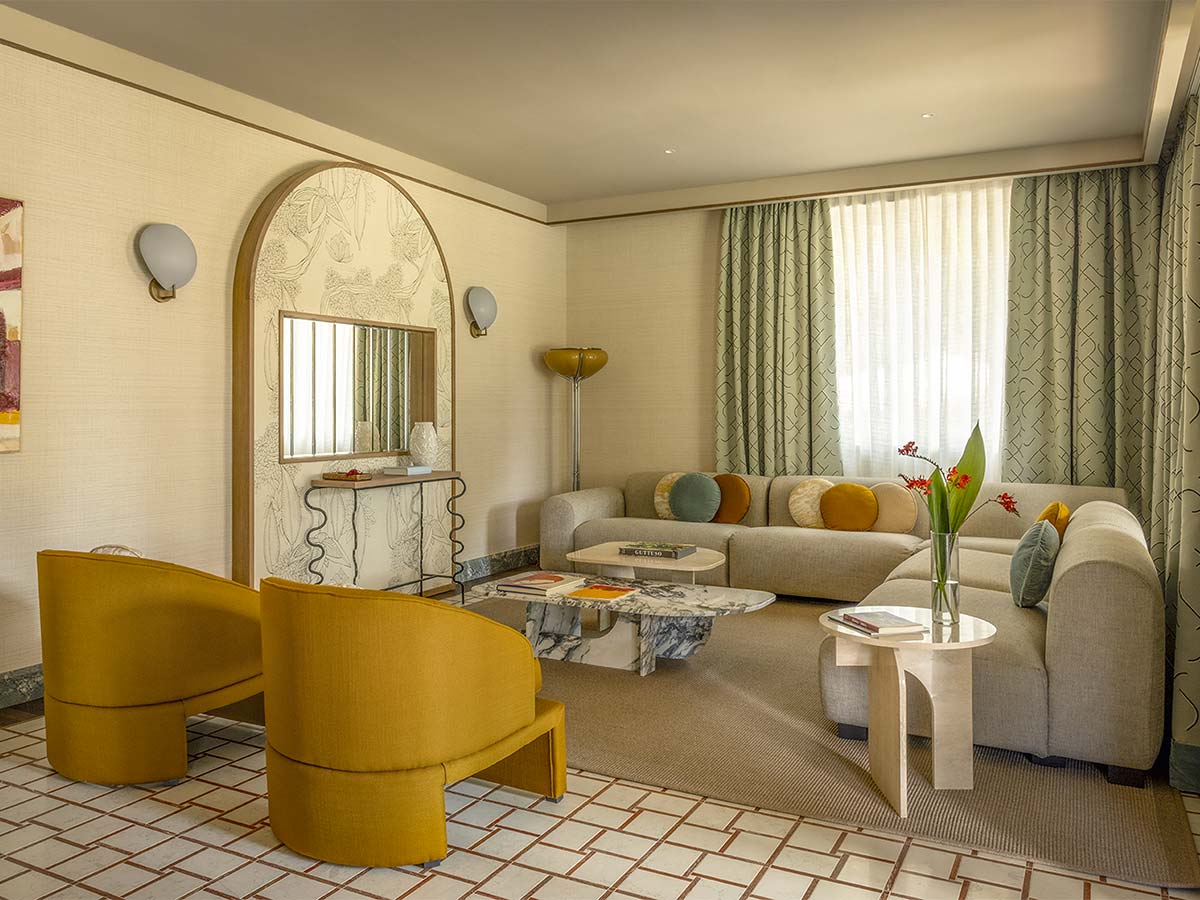
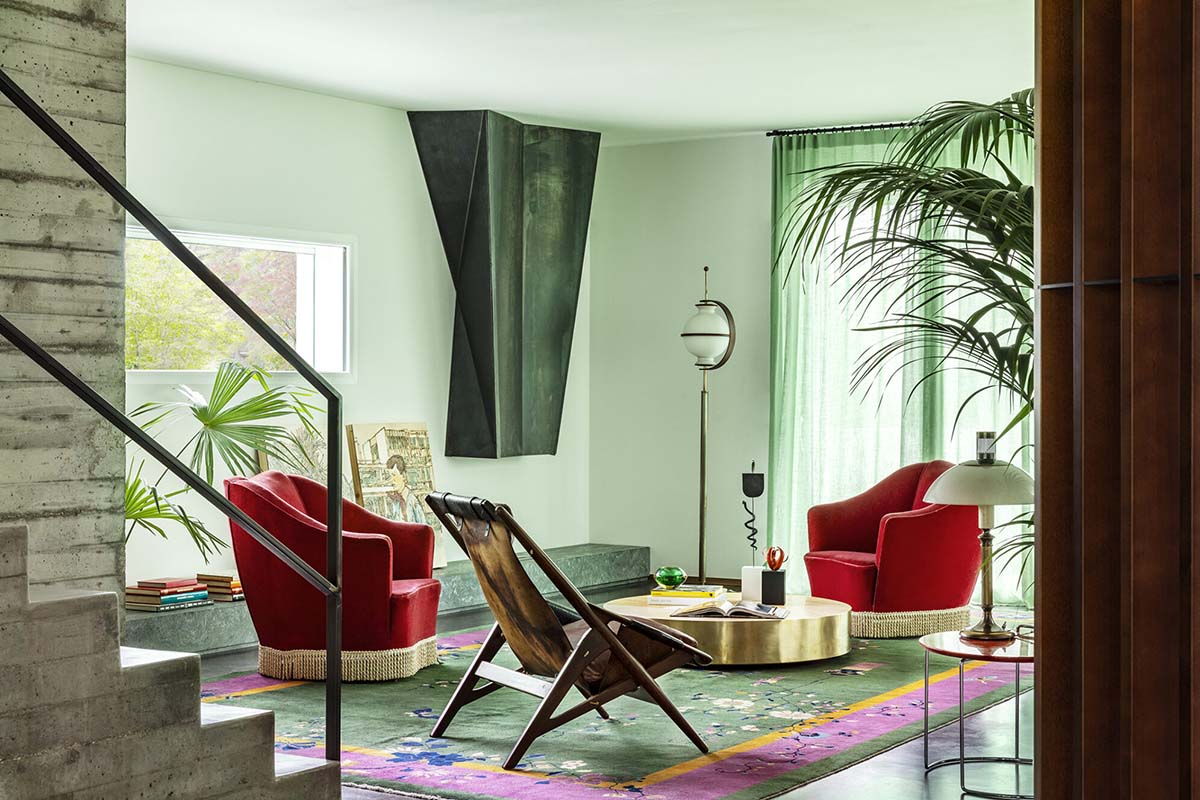
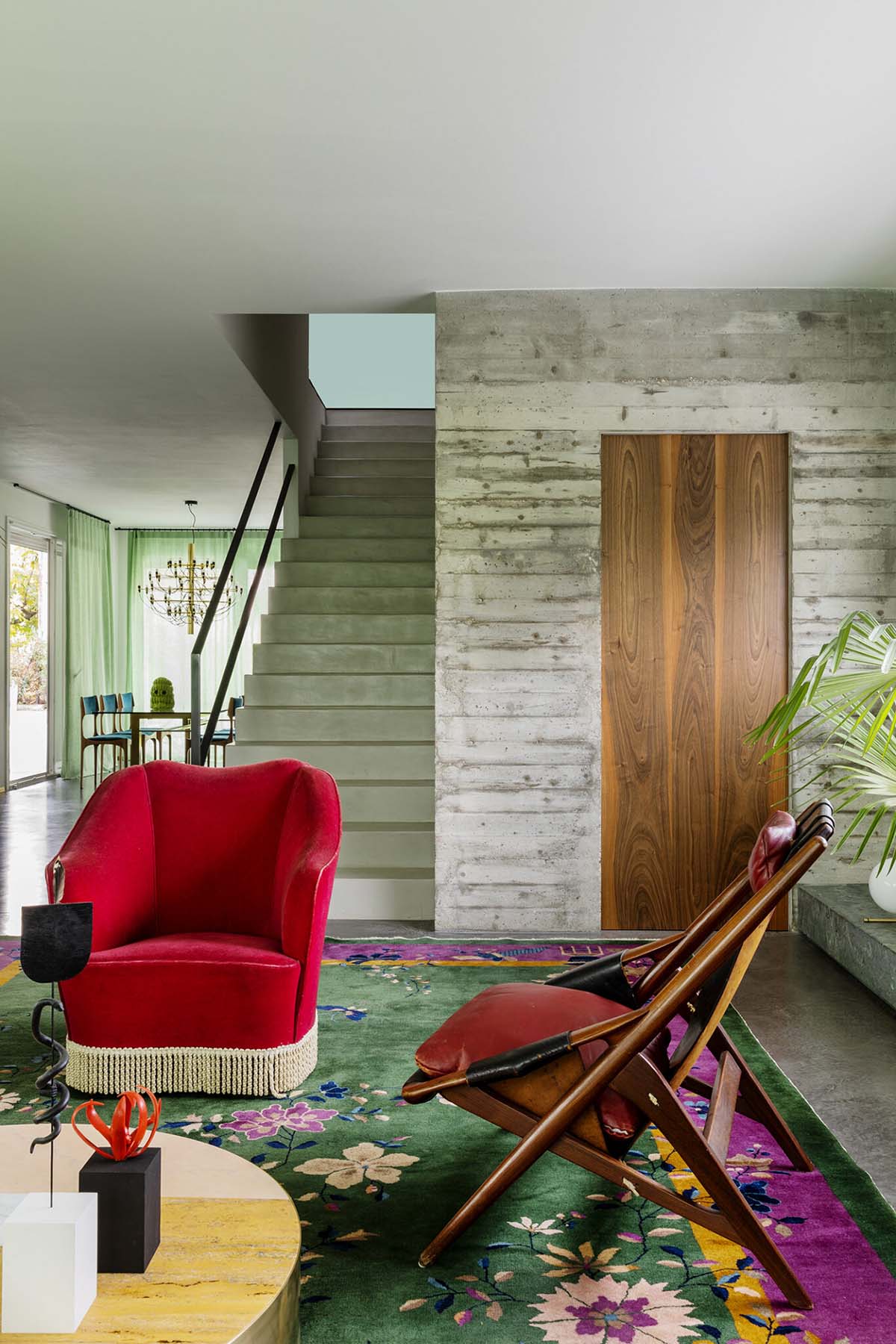
You talk about painting – indeed, a common trait in your work is the important use of color. I am allergic to boredom, I like combinations that sometimes seem a bit forced. Color is a language, and it’s also one of the most complex parts of my work, because it’s really unpredictable, it changes according to lighting, space, volumetry. Clients often underestimate this aspect. But it only takes the slightest mistake to be dissatisfied with the result.
What are your points of reference in interior design? I am very close, also for geographical reasons, to the work of Carlo Scarpa, unparalleled, innovative, futuristic even today. Then there is Le Corbusier, who created a new aesthetic that changed everything. I like Gio Ponti because he worked on all scales – objects, interiors, cultural projects – always with the same language, with the same expertise. There is a famous building of his here in Malo, later renovated by Nanda Vigo: the house of the art collector Giobatta Meneguzzo. All designers from a time when they worked a lot with craftsmen, designing for small commissions, often with painstaking expertise, even in details like handles, those details that make a difference today.
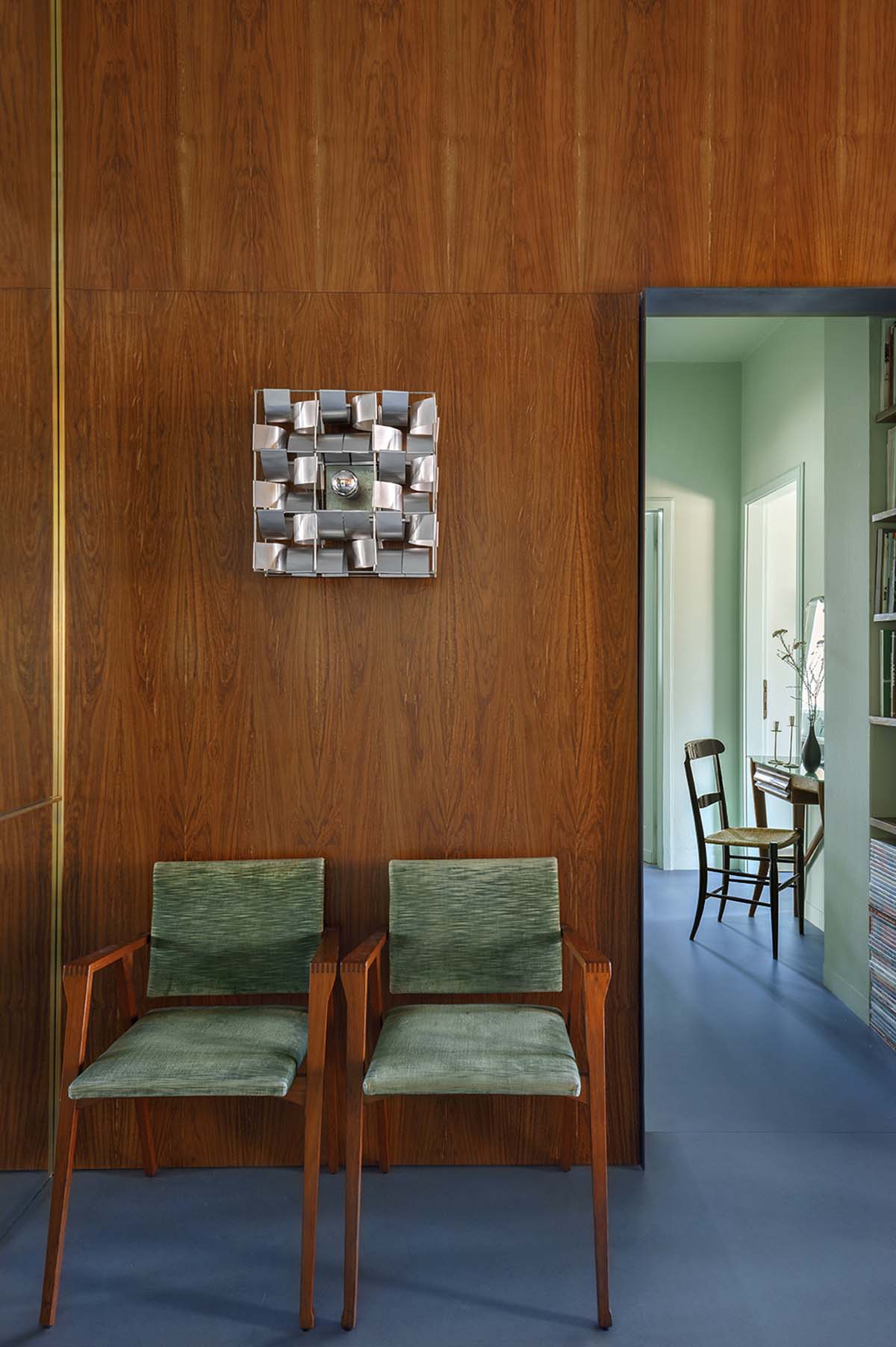
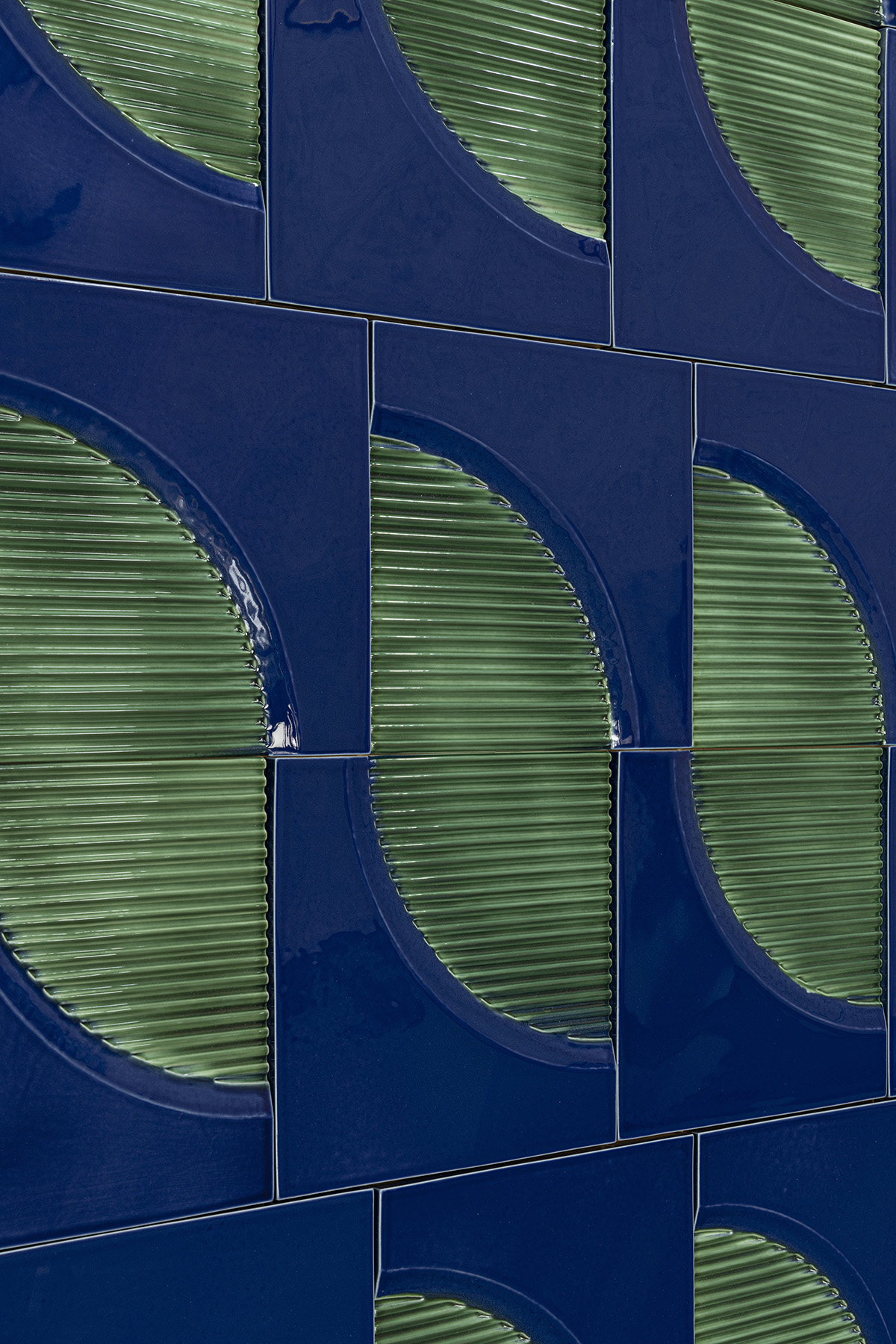
Speaking of your relationship with “those who make things,” you have collaborated with several companies. I curated the art direction for a ceramic brand, Botteganove. Recently, with De Marchi Verona, we came up with the idea of creating porcelain wall tiles, which requires much more expertise than ceramics. It is practically 99% water-repellent and is not afraid of major temperature changes, so we could use it outdoors even in Siberia. We will present a new collection at the next Edit Napoli.
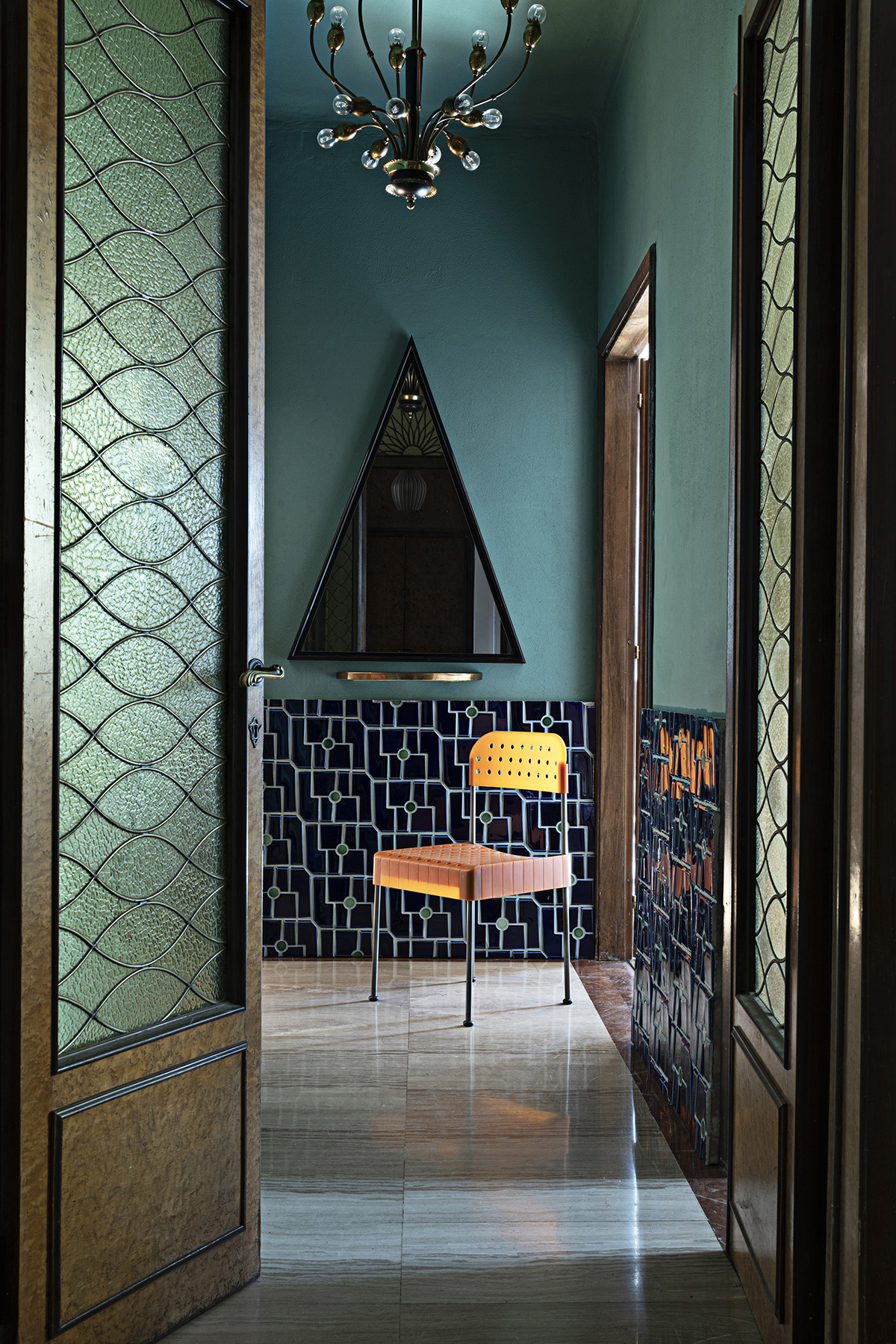
Are there any other projects in progress? I recently finished a large interior in Gardone, on Lake Garda, and a hotel in Florence, 800 meters from Santa Maria Novella, which is about to open. I am also working with a lighting company, we have been developing a collection for about a year. I hope to be able to tell more about it soon.
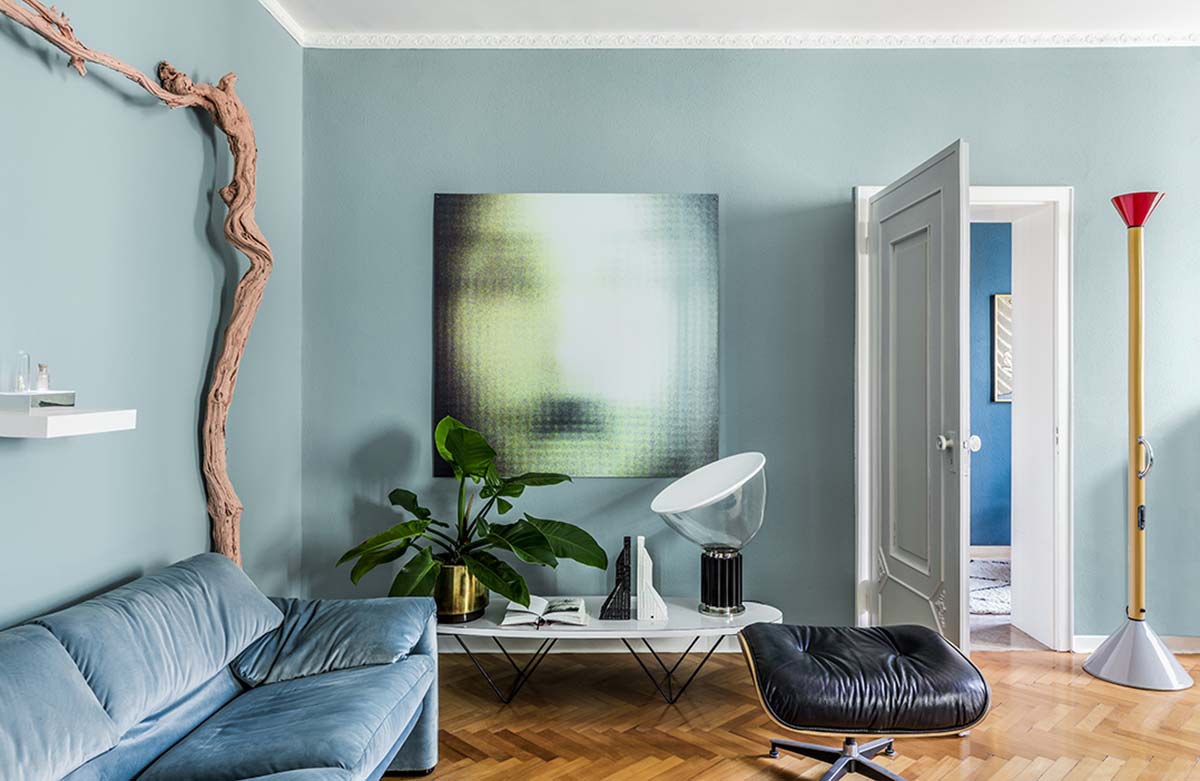 All photos, unless otherwise stated @ Helenio Barbetta, courtesy of Giacomo Totti