

Design is increasingly becoming the primary tool for fostering contemporary social interaction. It’s no longer confined to practical functions; instead, it serves as a catalyst for connection. Spaces and objects are transforming into true common ground, encouraging encounters, stimulating dialogue, and forging new relationships. Within this framework, design takes on a central role—not merely aesthetic or functional, but profoundly human and relational. An ideal embodiment of this modern vision is the recent renovation of Reykjavik’s Kringlan shopping center. As Iceland’s first indoor mall, Kringlan has been a community landmark since its opening in 1987.
The building’s third floor underwent a complete reimagining by architectural firm THG Arkitektar, in collaboration with leading real estate developer Reitir and with strategic consulting from the British firm M Worldwide. This new project expands upon the building’s original vision: a place where high-quality activities and services intertwine to offer people enriching experiences.
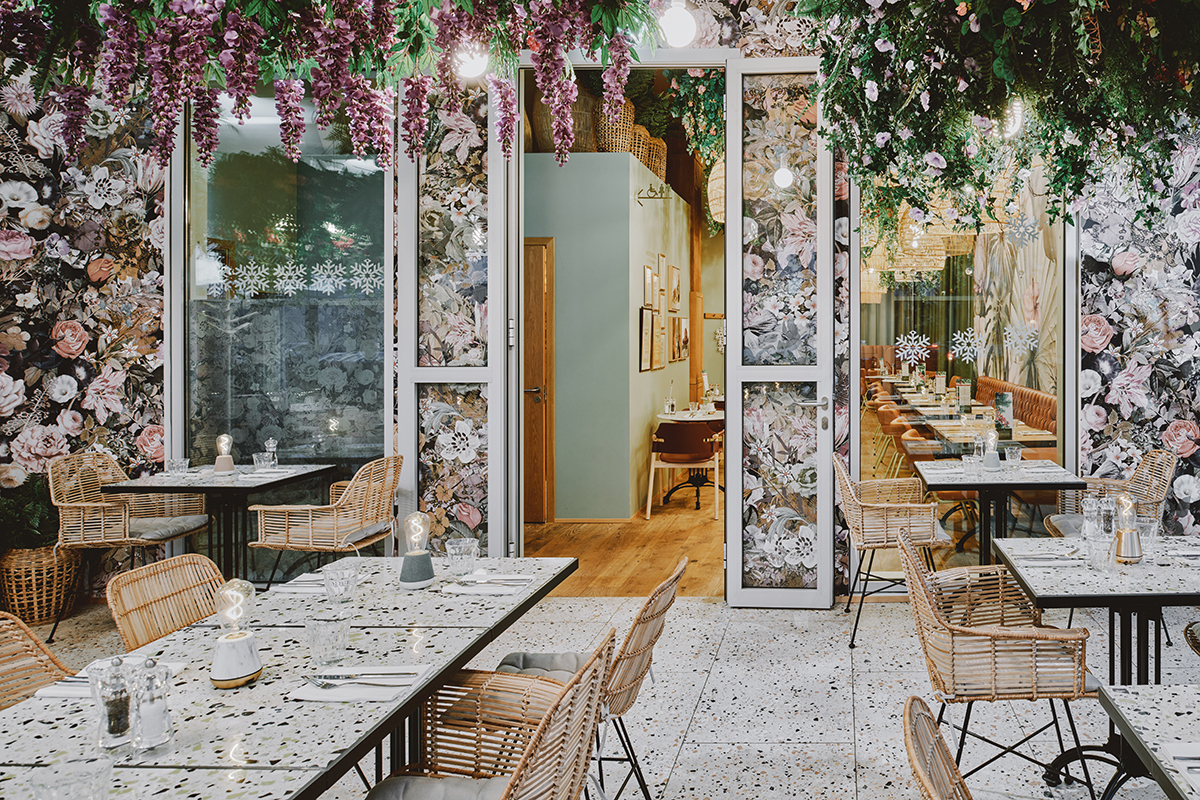
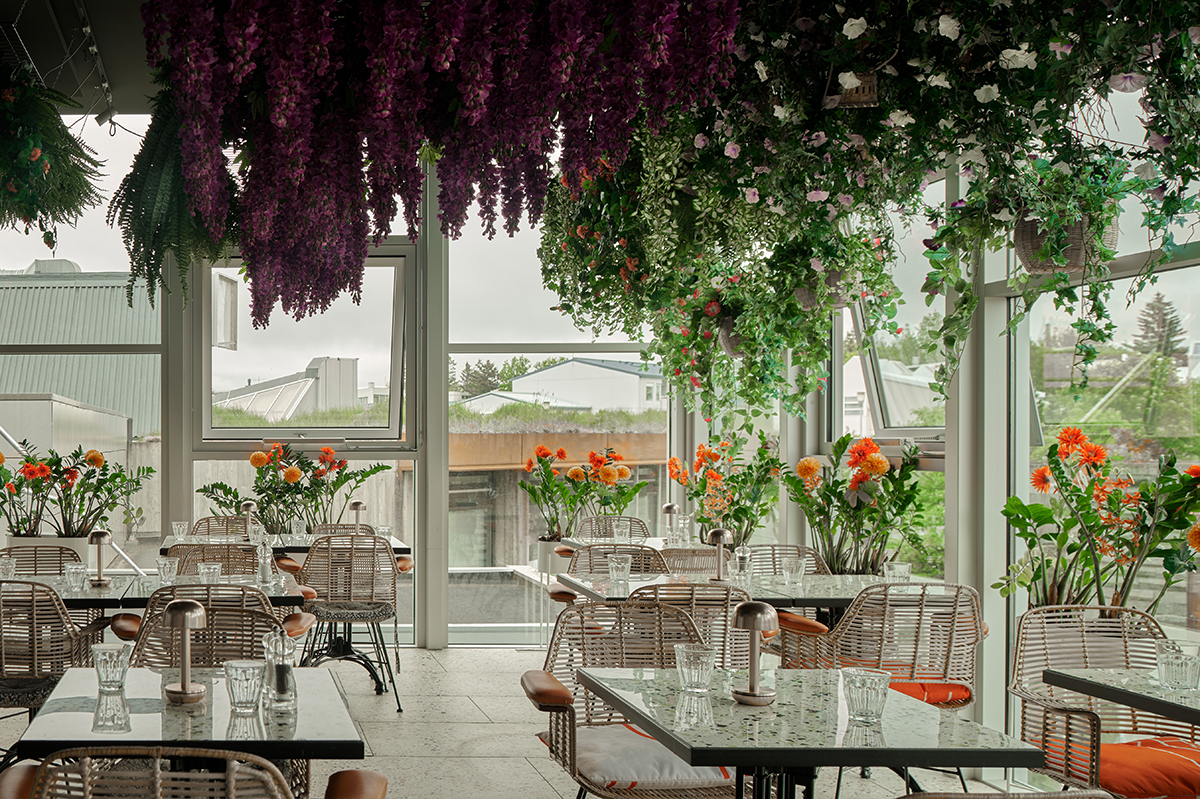
Today, this floor presents itself as an entertainment hub designed to host diverse and engaging experiences for visitors of all ages—from restaurants and bistros to a children’s area, a multiplex cinema, a new game area, and a gym. It’s a fluid, dynamic environment, capable of stimulating social interaction, interpreting community needs, and adapting to social changes.
To achieve this, THG Arkitektar developed and implemented solutions aimed at enhancing the user experience, fostering a sense of belonging, inclusion, and shared community—from spatial planning to the finishes that complete each area. This is where the ceramic surfaces from FMG Fabbrica Marmi e Graniti and Iris Ceramica, both brands of Iris Ceramica Group, come into play. They were specifically chosen for their “ease of installation and maintenance, exceptional durability, high safety and comfort standards for users, and, most importantly, the incredibly wide range of available patterns and visual aesthetics,” explains architect Paolo Gianfrancesco, a partner at THG Arkitektar. The Group’s ceramic tiles create an immersive, scenic backdrop, crafting a sensory experience within the space.
These surfaces guide visitors, blending functionality, materiality, and a decorative touch that enriches the environment. This is evident in the dining area, named Kúmen—meaning cumin, in homage to one of the few spices that grows wild in Iceland. Here, the dining units and common thoroughfares feature Iris Ceramica’s Pietra di Sciara on the floor.
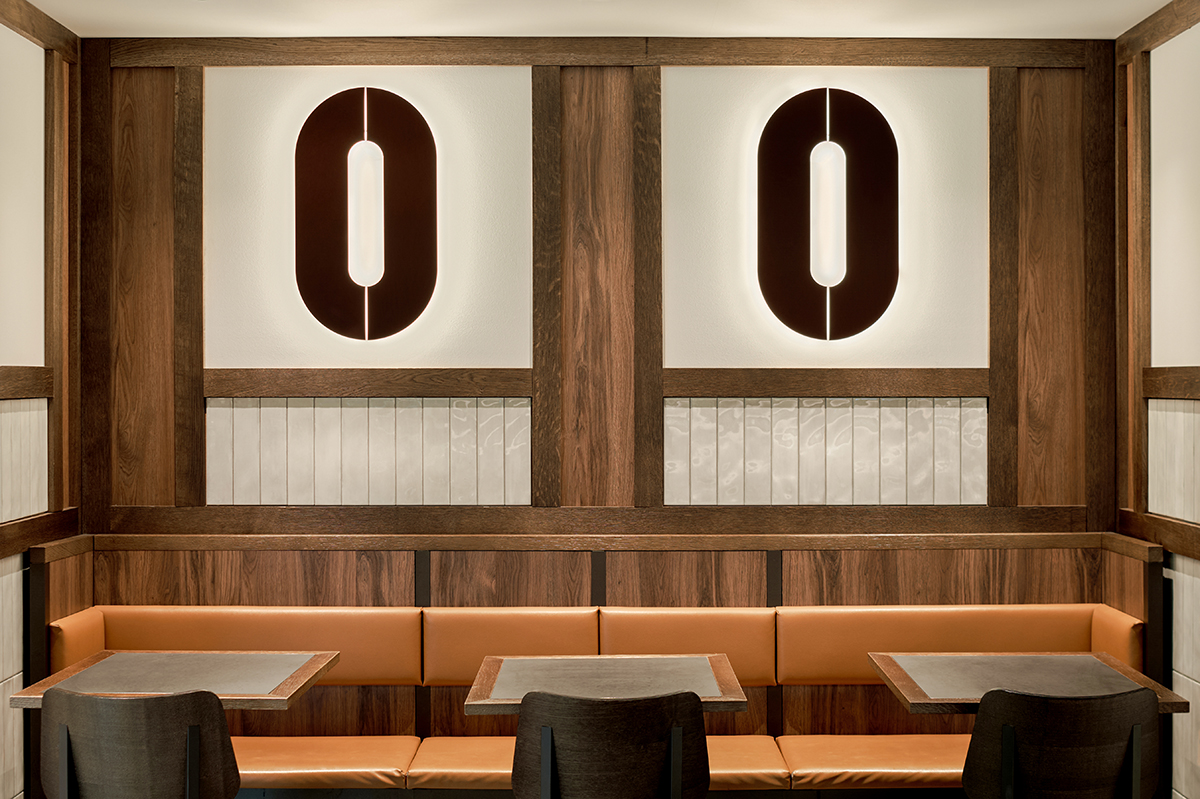
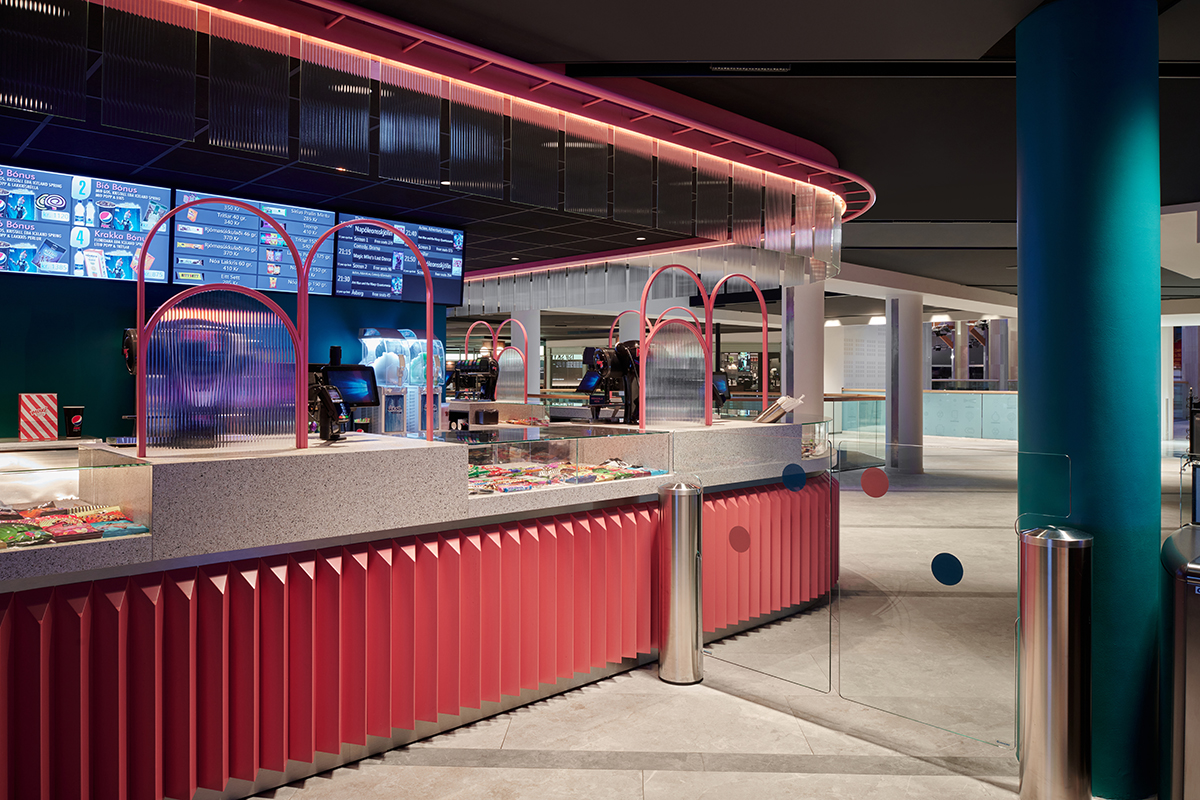
The area is enhanced by a diagonal layout and chromatic variations, imparting a sense of dynamism. The surface graphics evoke natural stone, reminiscent of paved avenues and streets, making visitors feel as if they are walking outdoors. Adding warmth and a touch of artisanal softness to the walls are Iris Ceramica’s Elementi Rivestimenti, in a classic brick format.
Among the restaurants, Finnsson Bistrot stands out with its elegant and lively aesthetic, achieved through FMG’s Venice Villa Venetian terrazzo applied to the walls and tabletops in the greenhouse section. The center of the third floor has been dedicated to a leisure and social gaming area, developed in collaboration with Oche®, a Northern European entertainment specialist.
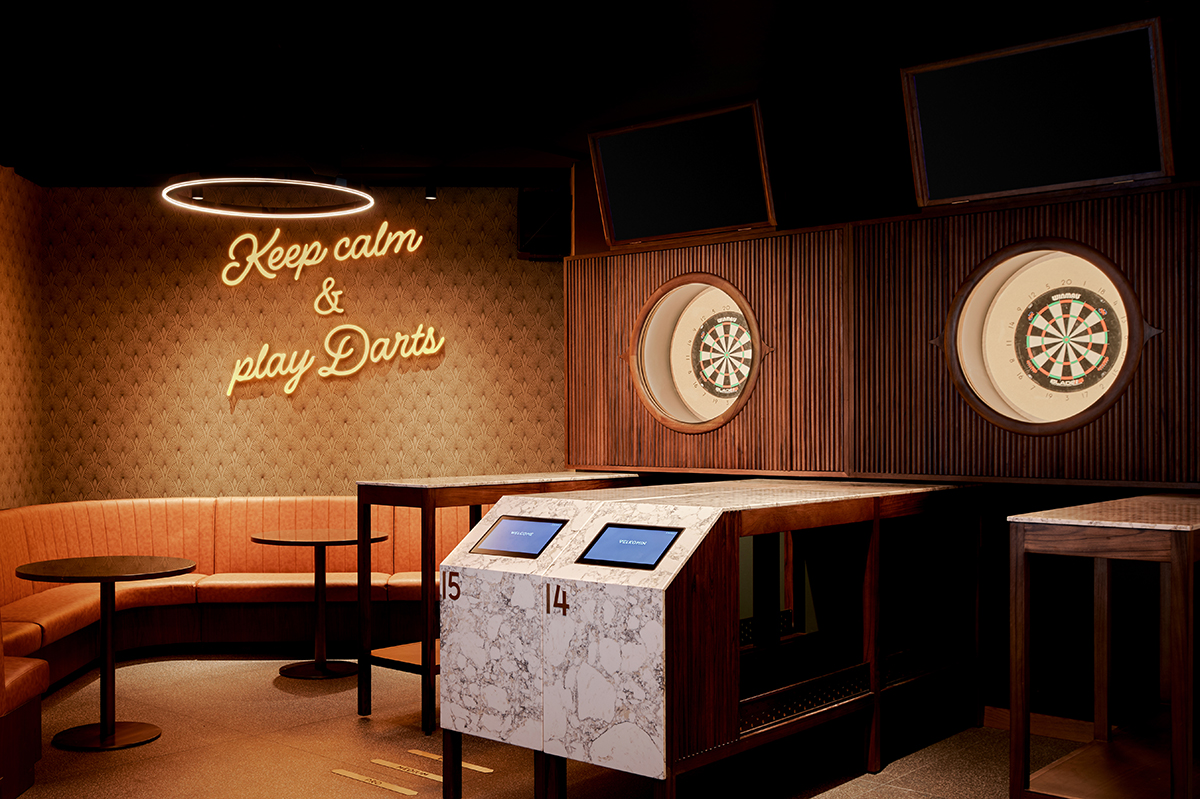
Here again, interior design plays a crucial role, appearing attractive and original thanks to the use of high-quality materials and a combination of bold and unusual colors. FMG’s Palladio technical ceramic, installed beneath the shuffleboards, contributes to the perfect atmosphere. As Paolo Gianfrancesco notes, it “possesses a profound aesthetic appeal while simultaneously guaranteeing unparalleled technical and practical performance.” Even the bathrooms in this area received meticulous attention to finishes, with Iris Ceramica’s Pietra di Sciara and Elementi Rivestimenti ceramic surfaces creating a sophisticated and decorative backdrop, complemented by refined natural elements integrated into the space. Thus, Kringlan solidifies its iconic role for Icelanders, thanks to innovative design and a touch of Made in Italy.
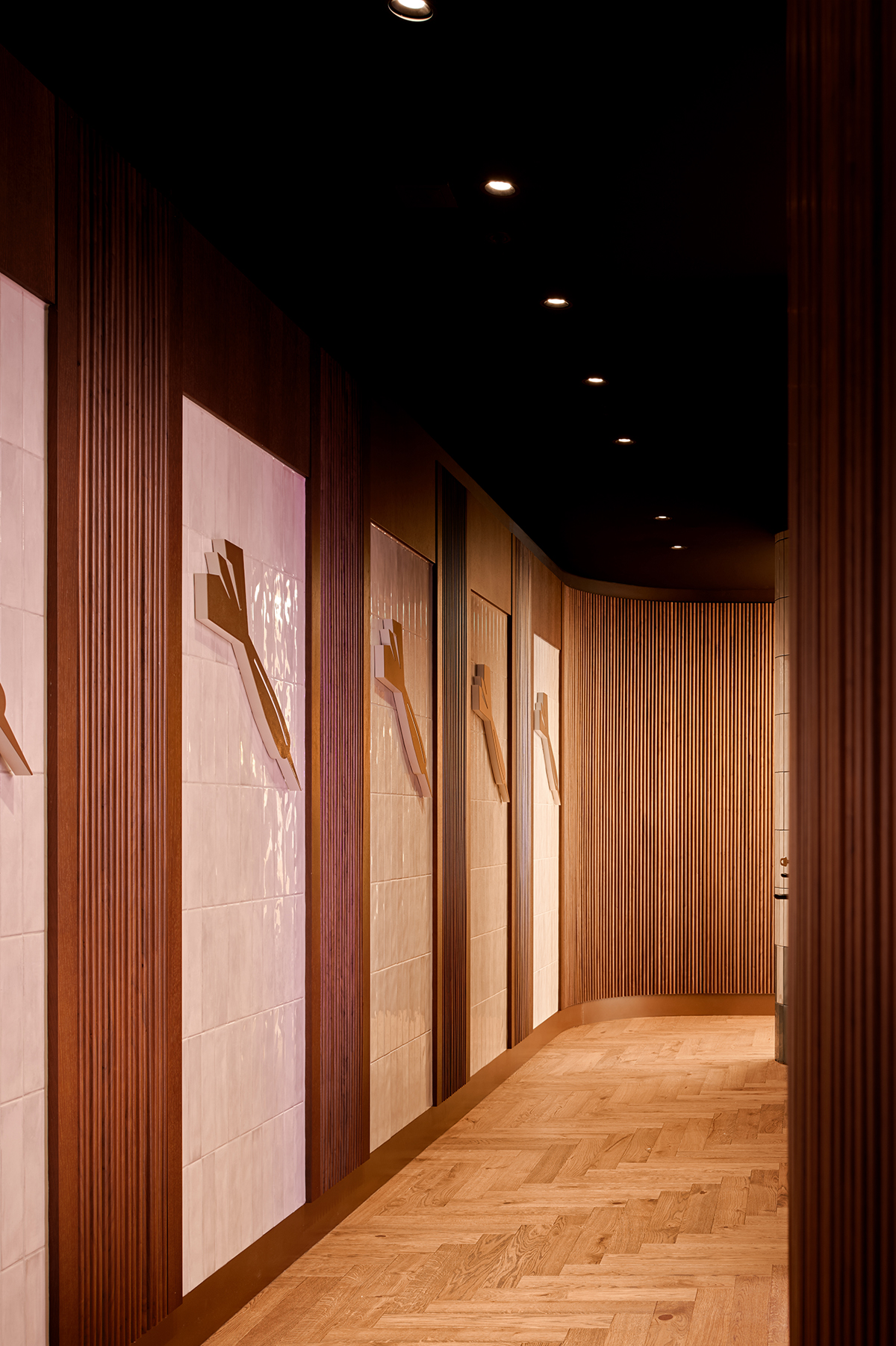
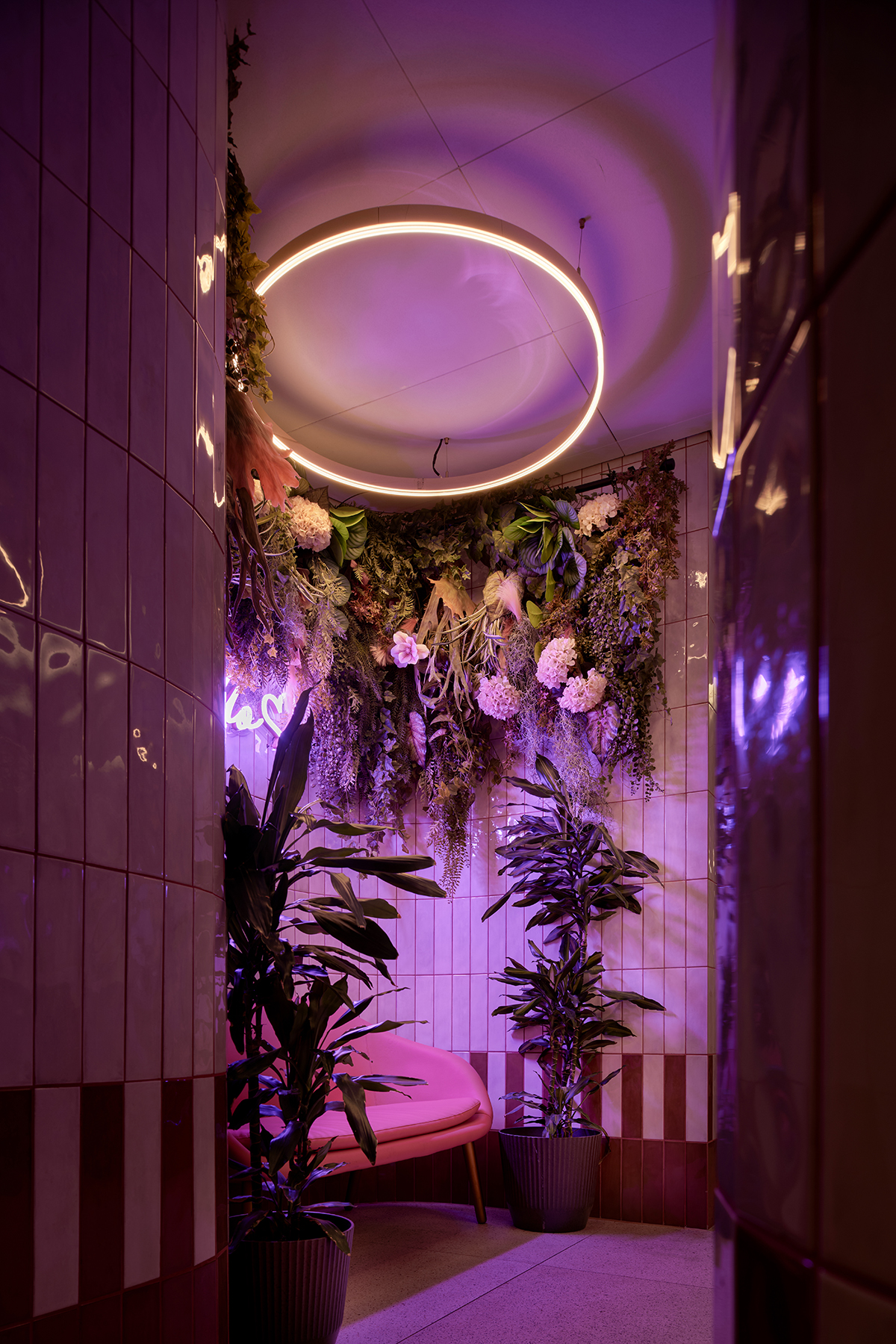
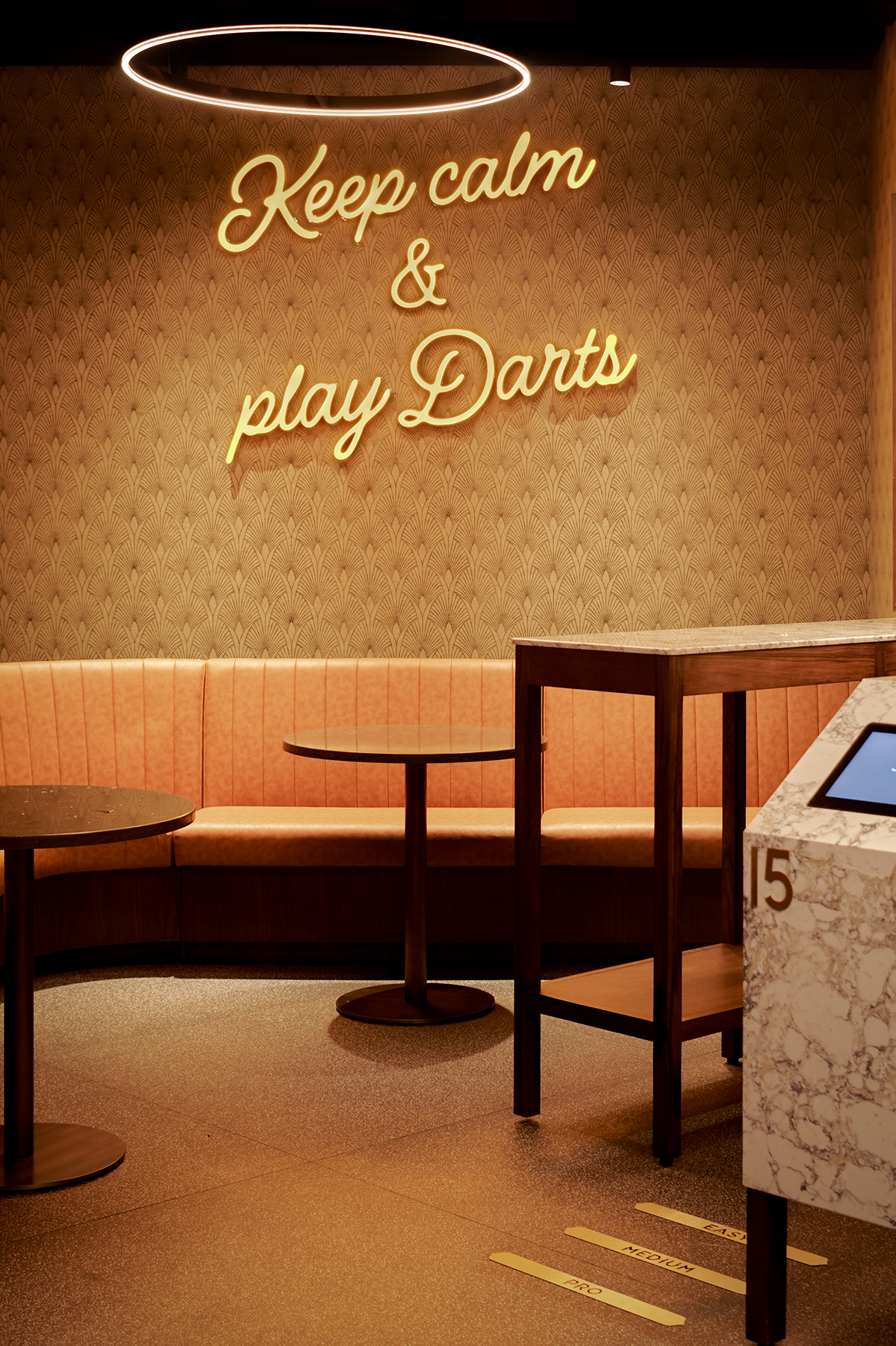
Photo cretits: Studiocapn


